

 English
 Français
 Español
 عربى
عربى
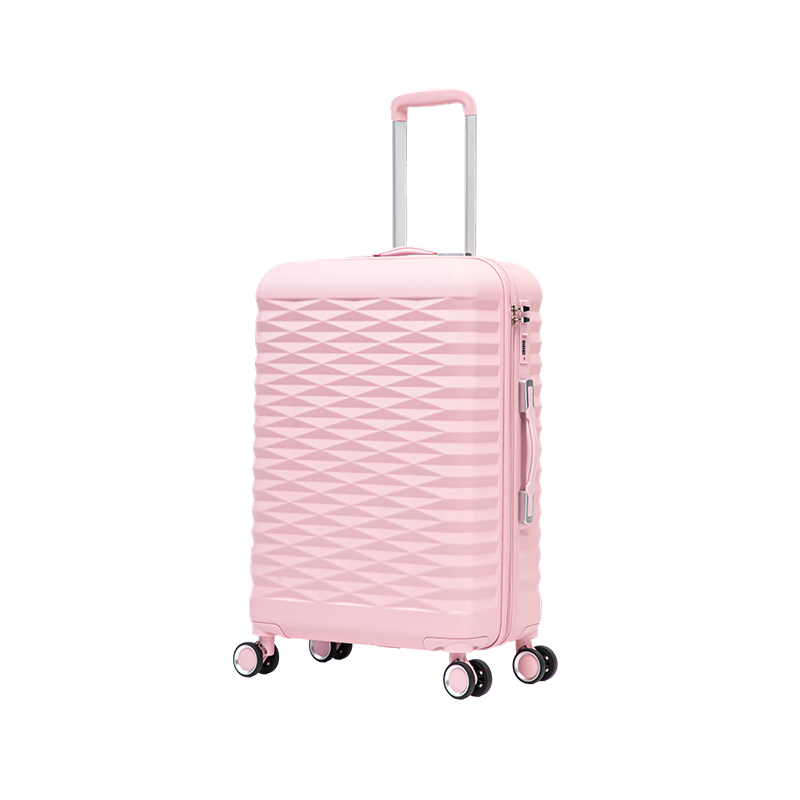
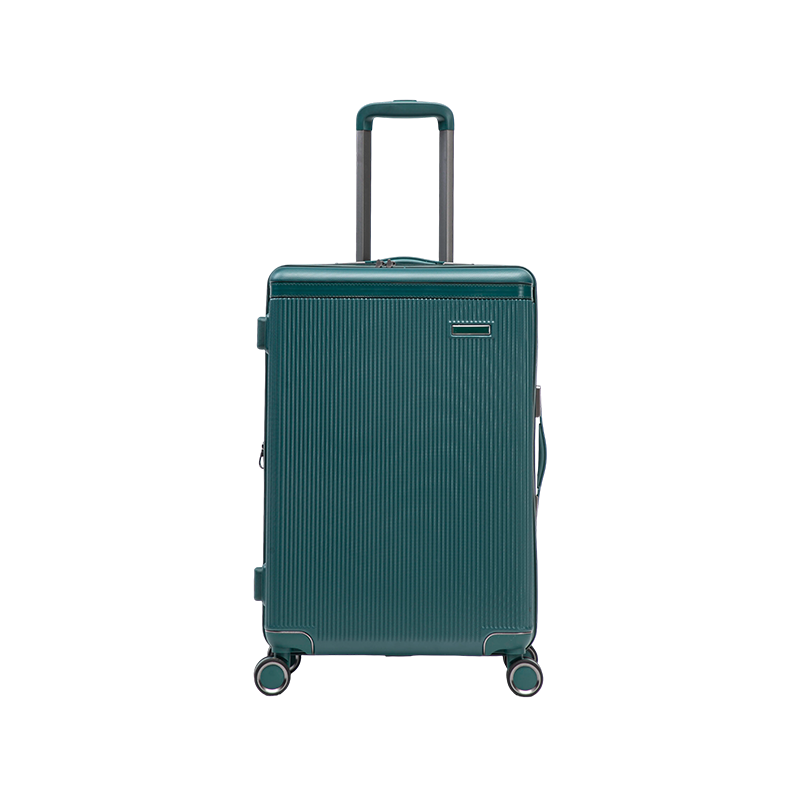
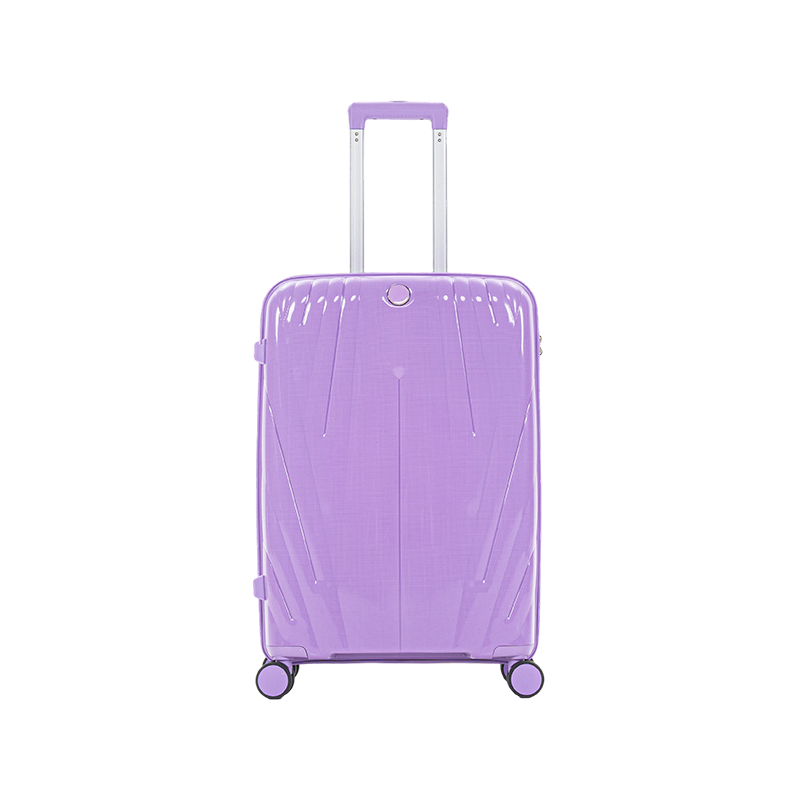
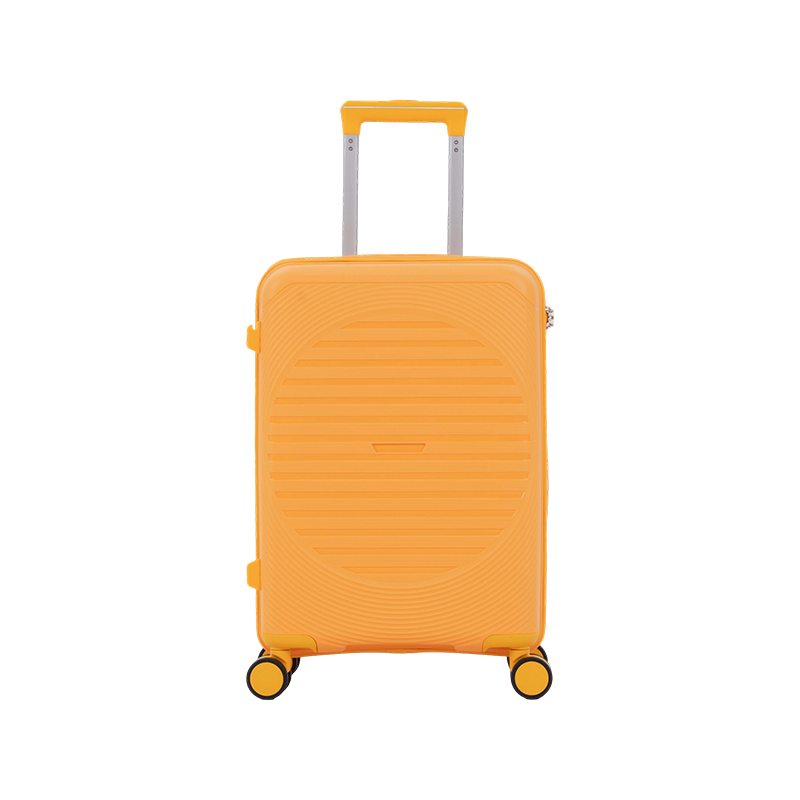
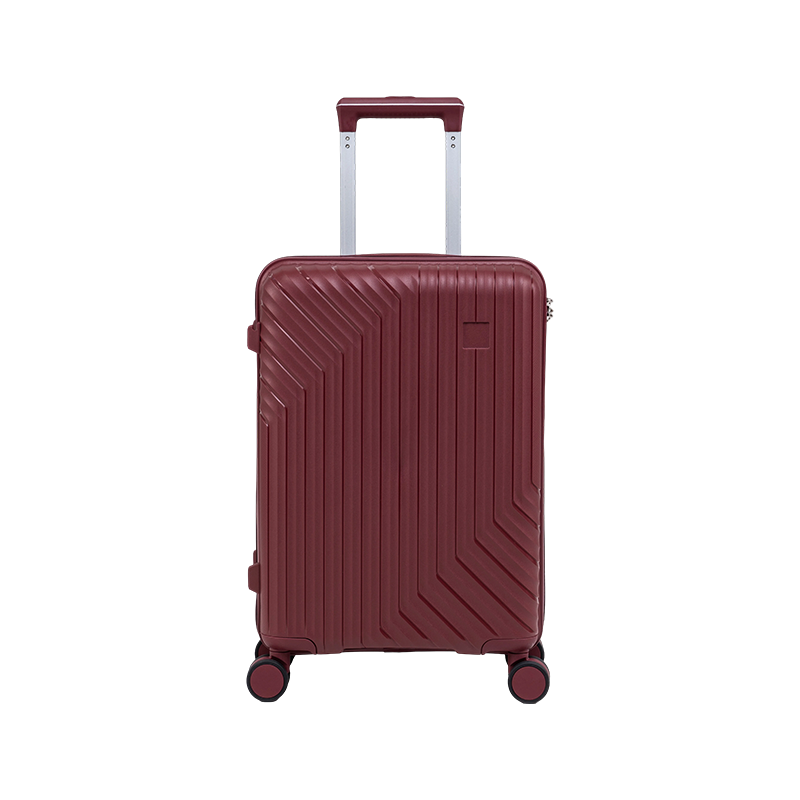
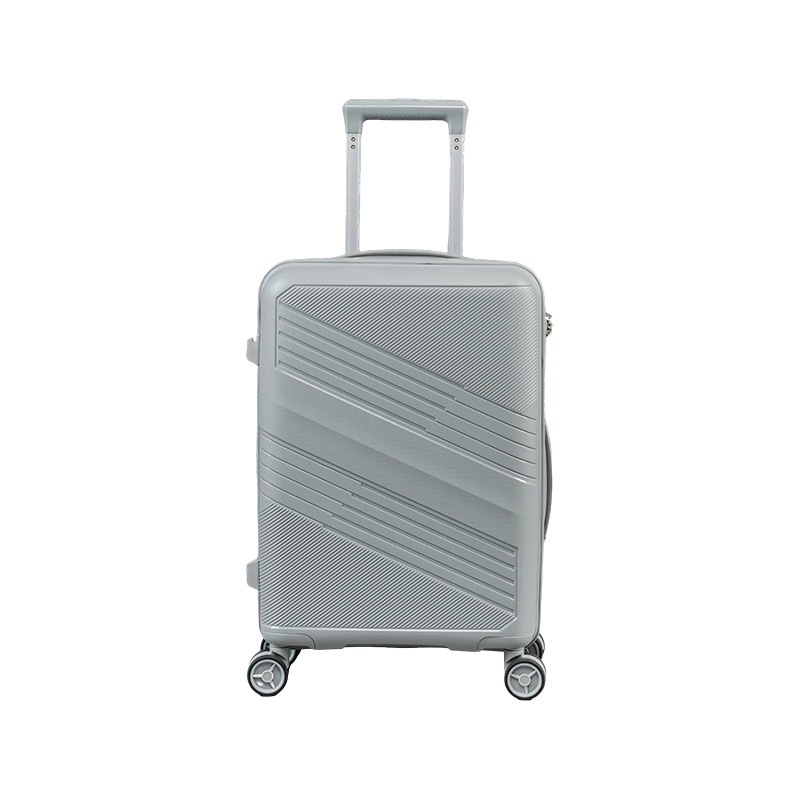
A shell that survives years of airline handling can still get returned to a distributor within months if the wheels seize up or the handle sticks halfway through extension, and this mismatch between shell durability and mechanical component quality is a gap that trips up buyers focused entirely on plastic grade. An ABS hard trolley succeeds or fails at retail based on how well the wheel assembly and telescopic handle hold up under daily rolling, dragging, and repeated extension, not just on how the shell resists a drop test in a showroom. Buyers who inspect an ABS hard trolley sample for shell quality alone are only checking half of what actually determines the return rate on a bulk order.
Wheel System Choice Changes the Ownership Experience
An ABS hard trolley built with a four-wheel spinner system rolls smoothly beside the traveler on smooth airport and hotel flooring, while a two-wheel configuration drags at an angle and performs better on uneven outdoor surfaces like cobblestone or gravel. Buyers building a catalog for airport retail or duty-free channels should lean toward spinner configurations, while those serving markets with rougher terrain or older infrastructure often see fewer wheel-related returns with a traditional two-wheel design.
|
Wheel Configuration |
Rolling Behavior |
Recommended Retail Channel |
|
Four-wheel spinner |
360-degree glide on smooth floors |
Airport retail, urban travelers |
|
Two-wheel fixed |
Angled drag, stable on rough terrain |
Markets with uneven infrastructure |
|
Dual-wheel spinner |
More load-bearing per wheel, quieter roll |
Premium and checked-size trolleys |
Spinner Wheel Luggage and Bearing Quality
Spinner wheel luggage depends on the internal bearing quality inside each wheel housing far more than the wheel material visible from outside, since a wheel with a poorly sealed bearing collects dust and grit that eventually causes grinding or seizing after months of airport floor exposure. An ABS hard trolley fitted with sealed, replaceable wheel units gives distributors a serviceable product rather than one that generates a full return the moment a single wheel fails. Buyers should ask a supplier whether wheel housings are replaceable or permanently molded into the base, since the second option turns a minor wheel failure into a total loss for the end customer.
Telescopic Handle Mechanism Reliability
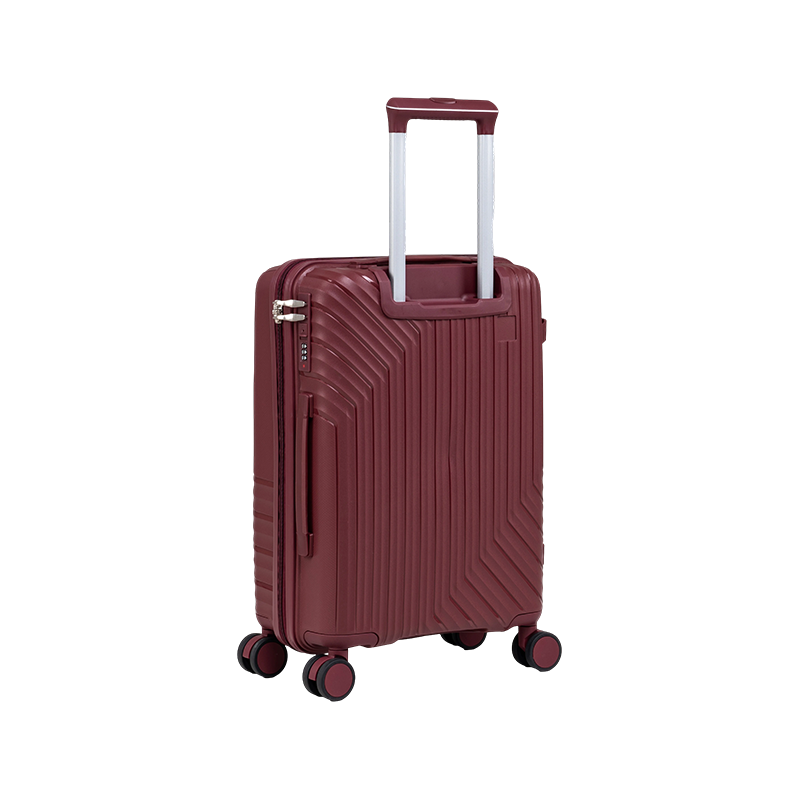
A telescopic handle mechanism on an ABS hard trolley has to extend and retract smoothly through thousands of cycles without sticking, and a handle that binds partway through extension ranks among the more common reasons a case gets returned even when the shell itself shows no damage. Aluminum handle tubing with a tight but lubricated fit resists the sticking that occurs when a looser-tolerance tube collects dust or when a plastic guide bushing wears down faster than the metal components around it. Buyers should request the rated cycle count for handle extension testing rather than accepting a general durability claim on the spec sheet.
Manufacturing Consistency Across Wheel and Handle Components
A factory producing its own ABS hard trolley wheel and handle assemblies, rather than sourcing them from an unrelated third-party hardware supplier, can align tolerances between the shell mounting points and the mechanical components more precisely than one assembling from mismatched purchased parts. Buyers placing bulk orders should ask whether wheel and handle components are tested under load simulation before shipment, since a mechanism that performs fine unloaded can still fail once packed with a full load of clothing and accessories. This kind of loaded testing is a detail few buyers think to ask about during a factory audit, yet it correlates more closely with real-world return rates than almost any visual inspection of the shell.
Certification, Customization, and Bulk Supply Considerations
Buyers building a private-label program around an ABS hard trolley line often need custom shell colors, a modified logo plate on the handle, or an adjusted wheel configuration to match a specific retail positioning, and a factory that builds these requests into its standard tooling process tends to hold consistent mechanical quality across the customized run. Certification covering relevant safety and material standards for the destination market should be confirmed before committing to volume, and buyers should also request production capacity figures for a full ABS hard trolley order, not just a sample unit, since mechanical component consistency across a large batch is harder to verify than shell color matching alone.
 Previous