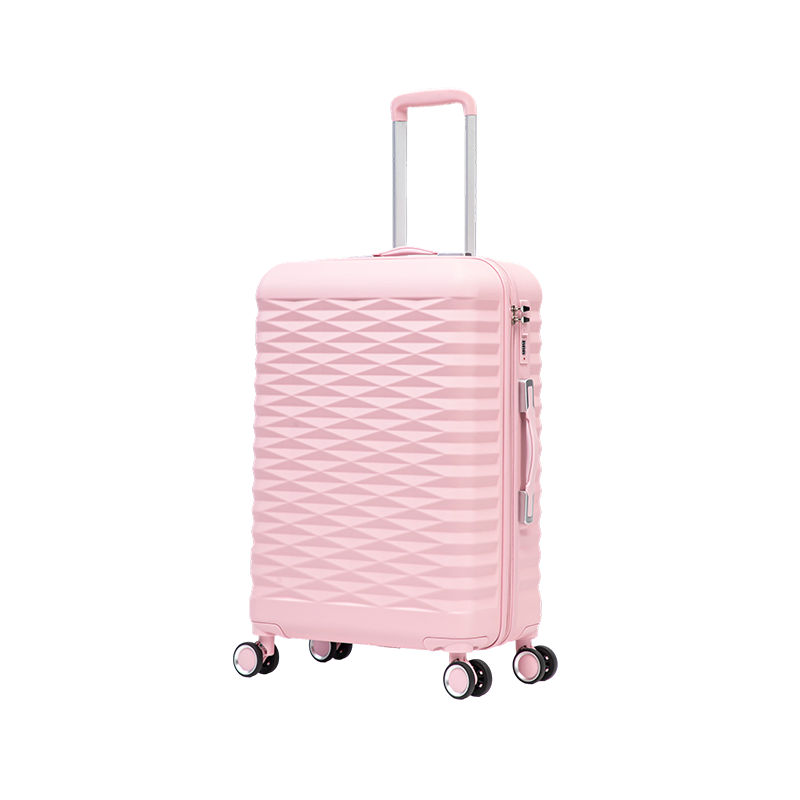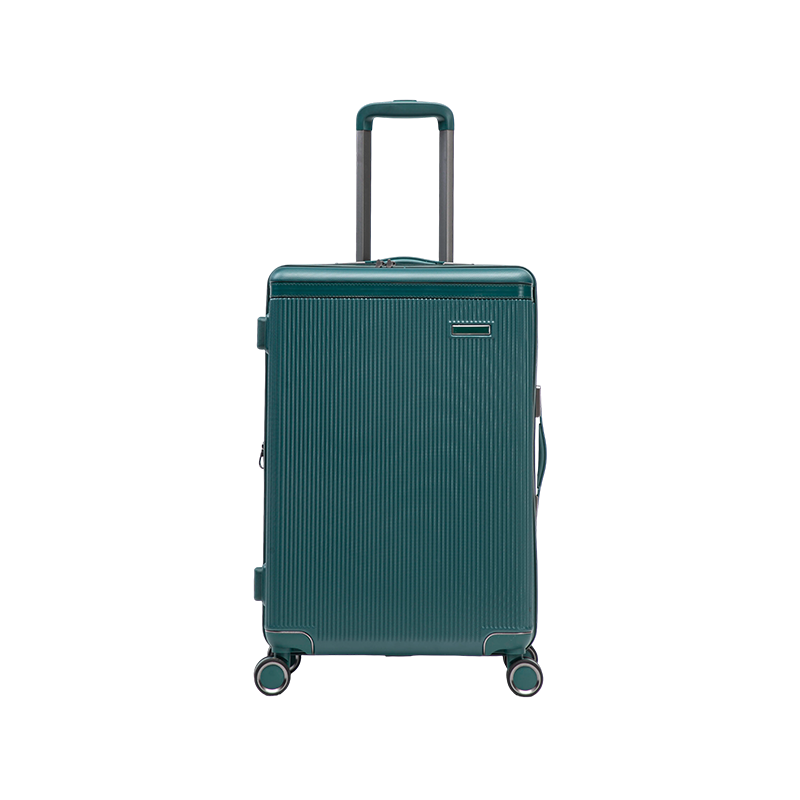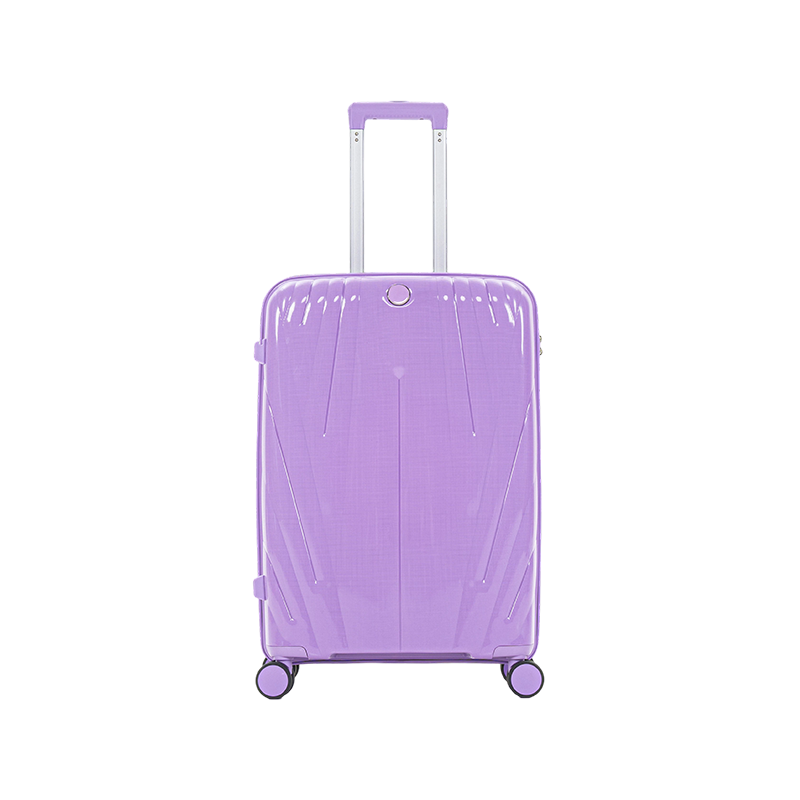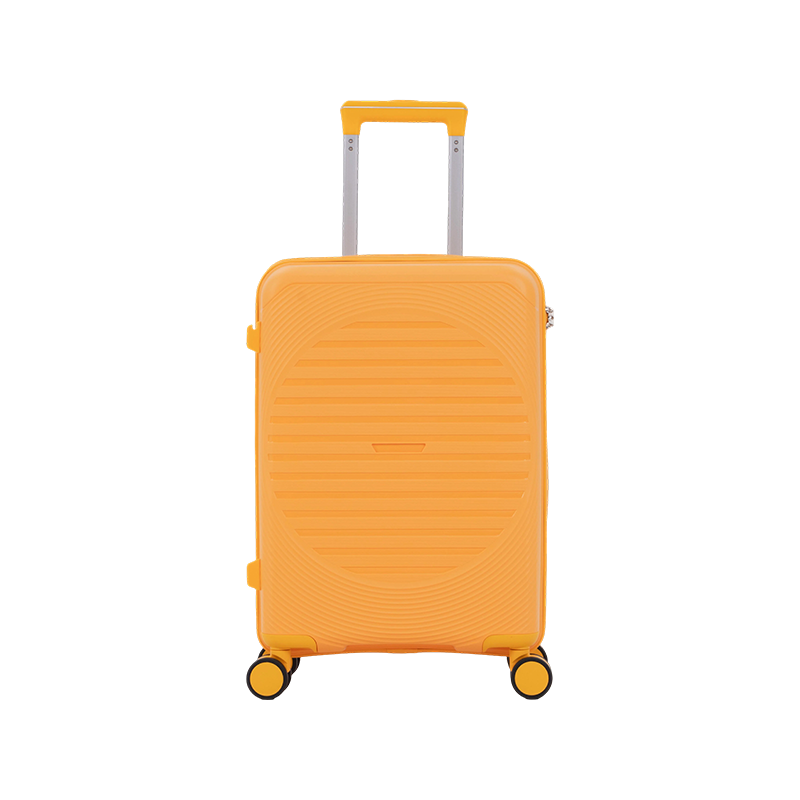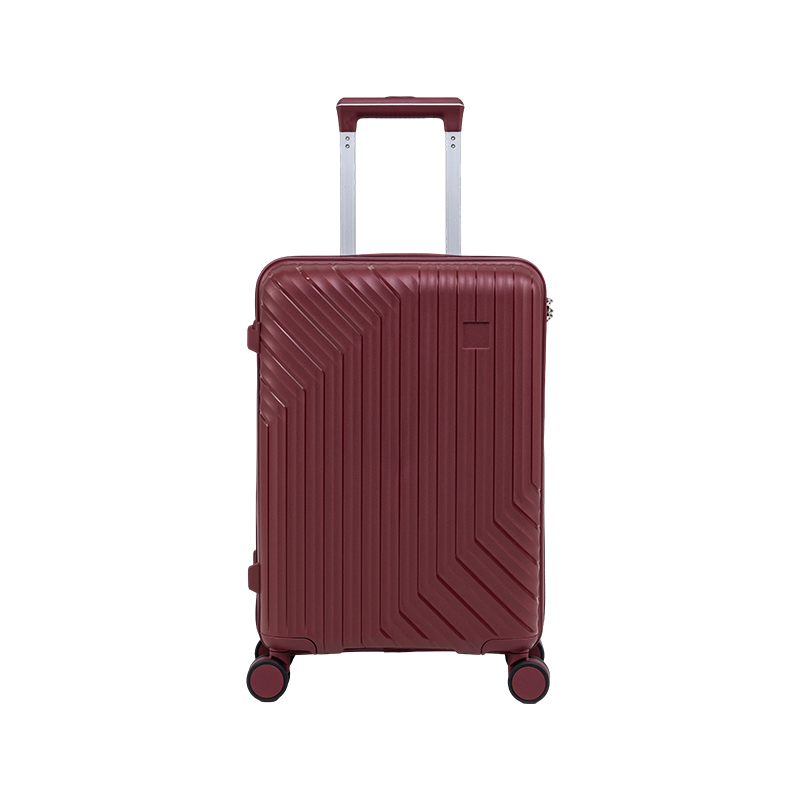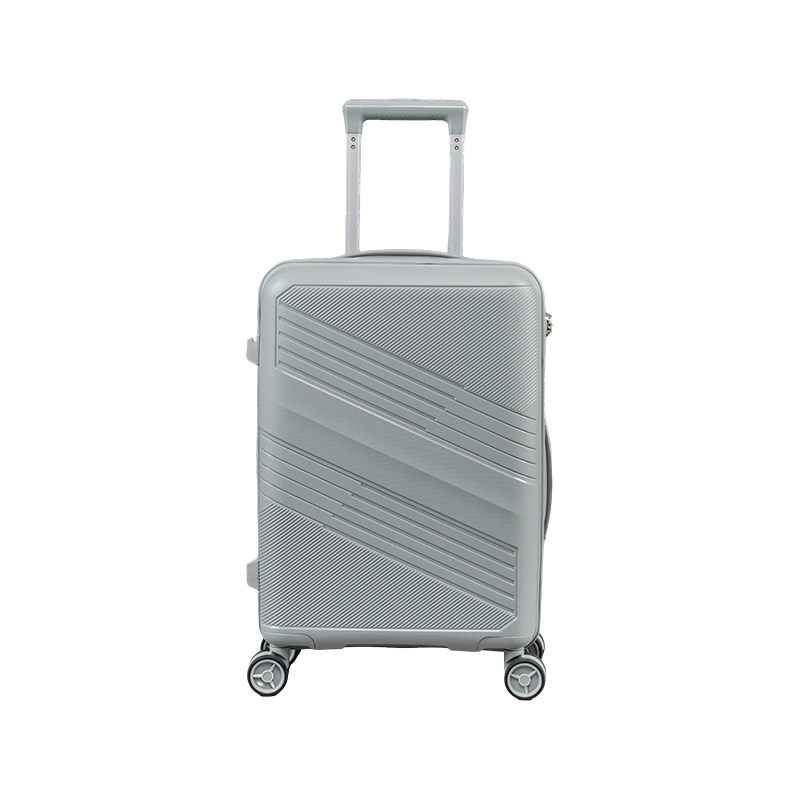


 English
 Français
 Español
 عربى

The size box printed on an airline page decides what a Front Opening ABS Cabin Luggage design can hold, and the shortest side of that box does the deciding. Cabin limits are published as three numbers, and the airlines differ widely on the last one. In 2015, IATA proposed a "Cabin OK" size of 55 x 35 x 20 cm as a voluntary guideline, and it stressed that each airline keeps setting its own maximum. Carriers have kept their own limits since, and the measurement includes wheels and handles.
How Much Space Each Box Allows
Multiplying the three numbers gives the outer volume of the box. The depth figure swings that volume more than any other.
|
Published limit (cm) |
Source |
Outer volume |
|
55 x 35 x 20 |
IATA Cabin OK guideline, 2015 |
38.5 L |
|
56 x 35 x 22 |
United Airlines |
43.1 L |
|
55 x 40 x 20 |
Ryanair priority bag |
44.0 L |
|
55 x 35 x 25 |
Air France |
48.1 L |
|
56 x 45 x 25 |
British Airways, easyJet |
63.0 L |
Airlines revise these figures, so a program is checked against the carrier's current page. The pattern holds regardless: moving depth from 20 to 25 cm adds about a quarter to the volume of the same box, and that is the gap Front Opening ABS Cabin Luggage lives inside.
Where the Depth Goes
The hard shell of Front Opening ABS Cabin Luggage uses up part of the box before any clothing goes in. The two shell walls each take their thickness from the depth, so every millimetre of wall comes off the interior twice. The opening frame, the zipper track and the lid edge add to that bill, and a front pocket that bulges beyond the shell also counts against the limit, because the airline measures the widest point.
A Hard Shell Suitcase is measured with wheels and handles as well, so they count against the box. For a case meant for the 20 cm airlines, the outer shell, the frame, and the pocket all have to fit inside a space that a 25 cm airline would not notice.
Shell Material
ABS
ABS is a rigid thermoplastic built from acrylonitrile, butadiene, and styrene. The butadiene component gives it impact toughness, and the sheet is shaped by thermoforming into the two halves of a case. It keeps Front Opening ABS Cabin Luggage light, holds its shape in a crowded overhead bin, and takes colour and surface texture from the sheet.

Other Hard Shell Materials
Polycarbonate is more flexible and takes impacts without cracking, and blends of the two materials sit between them. Polypropylene is lighter still and flexes more. A Hard Shell Suitcase in any of these materials is judged against the same airline box, so shell thickness and frame design usually matter more to the interior size than the material name.
What the Front Opening Changes
For Front Opening ABS Cabin Luggage, the lid on the front face changes three things.
- The case opens while standing. The lid sits on the front face, so laptops and documents can be reached without laying the whole case flat on the floor, which suits security queues and tight gate areas.
- The opening takes depth. A frame and zipper along the front face sit inside the same depth budget as the shell, so the opening has to be drawn inside the box limit.
- The main body stays closed. The larger compartment behind the front panel is not disturbed when the front is opened, which keeps packed clothing in place.
Weight Is Part of the Same Limit
Cabin allowances on weight vary by airline, with published figures running from about 7 kg to 10 kg, and a few carriers set no weight limit on the cabin bag at all. On those that do, the empty weight of the case comes off the allowance, so a Front Opening ABS Cabin Luggage body that is light for its volume leaves more for the traveller. Wheel type, handle height, interior lining and shell colour can be adjusted on order, and each of them moves the empty weight and the depth together.
A Front Opening ABS Cabin Luggage body that clears the box at 20 cm clears it at 25 cm too. The reverse does not hold, and that single fact accounts for much of the design work.
 Previous