

 English
 Français
 Español
 عربى
عربى
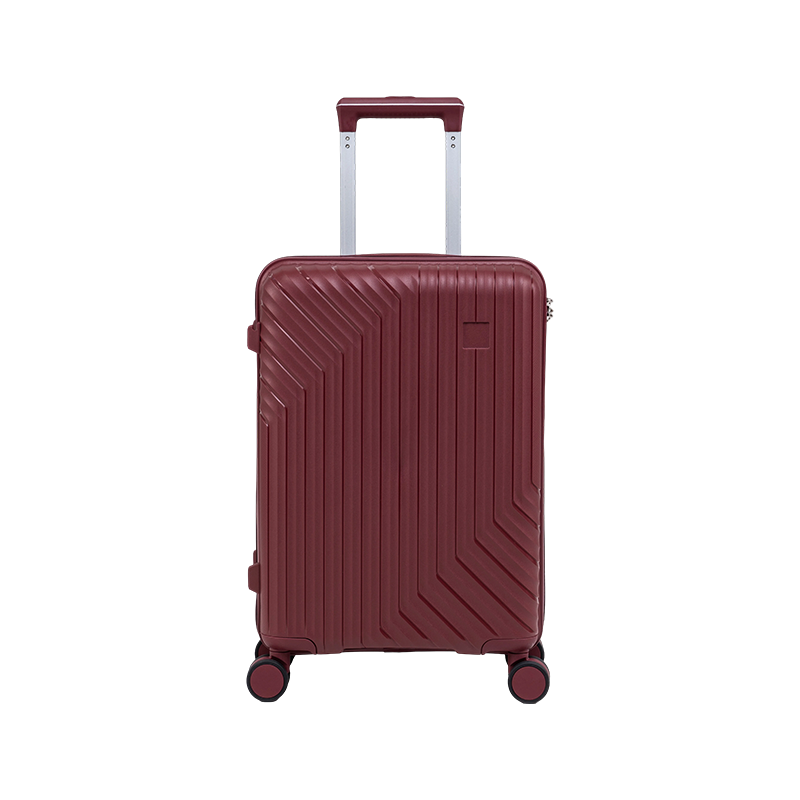
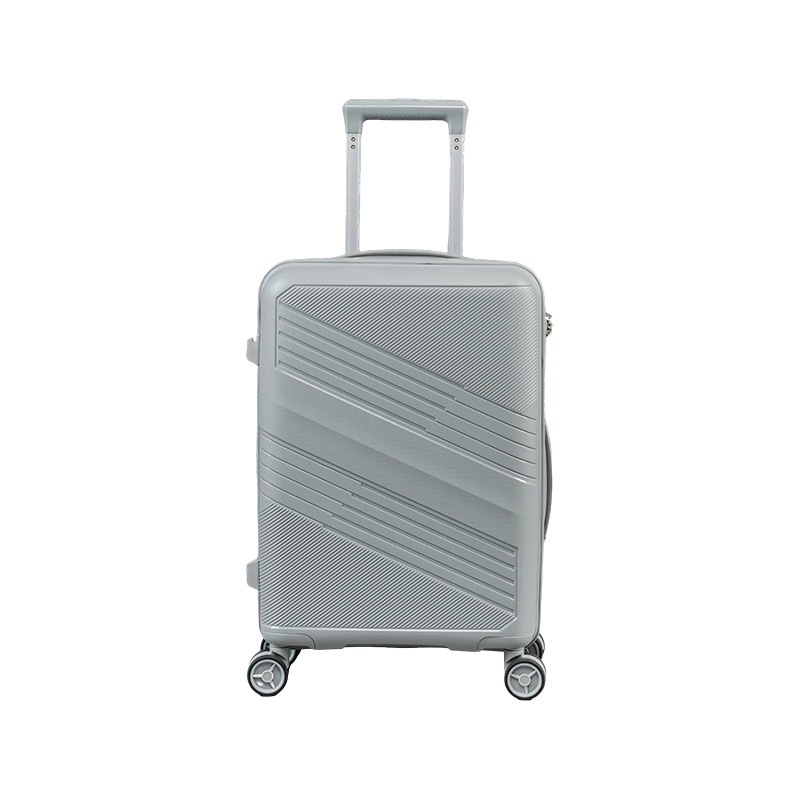
The moment a suitcase is placed on the airline check-in belt, a silent test begins. For travelers relying on ABS Luggage, a common question arises: Is its construction sufficient to handle the demands of checked travel? Examining how this material performs under pressure and comparing its approach to protection with alternatives like EVA Fabric Luggage provides clarity for preparing your belongings for their journey.
The Realities of ABS Material in Transit
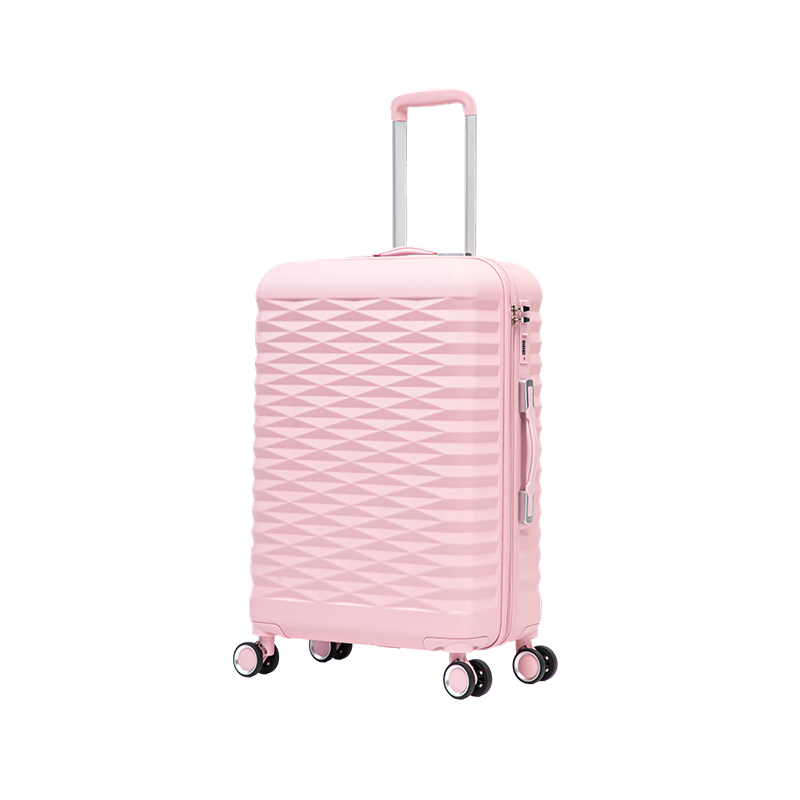
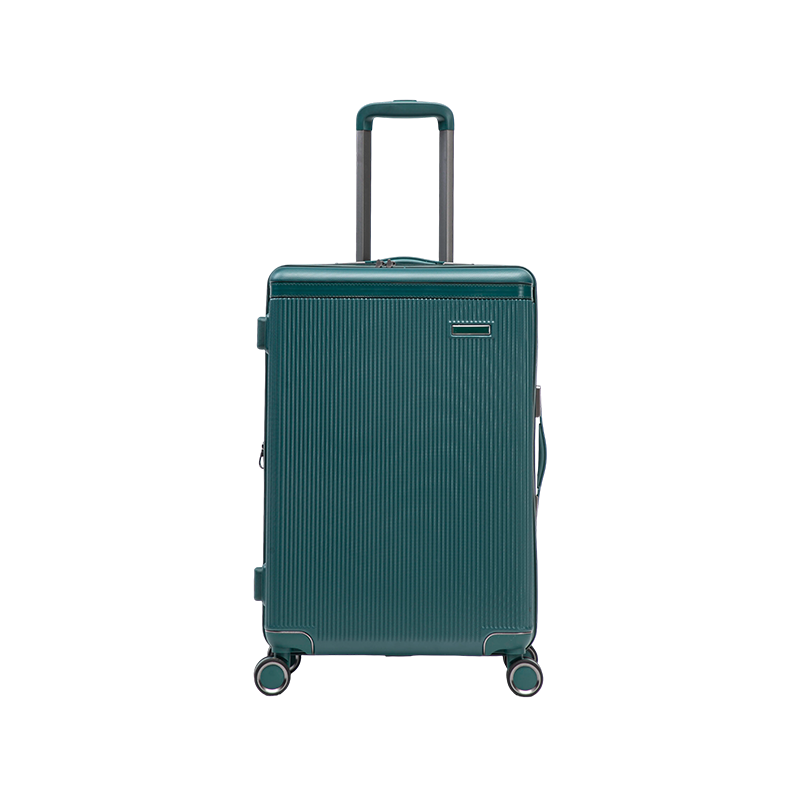
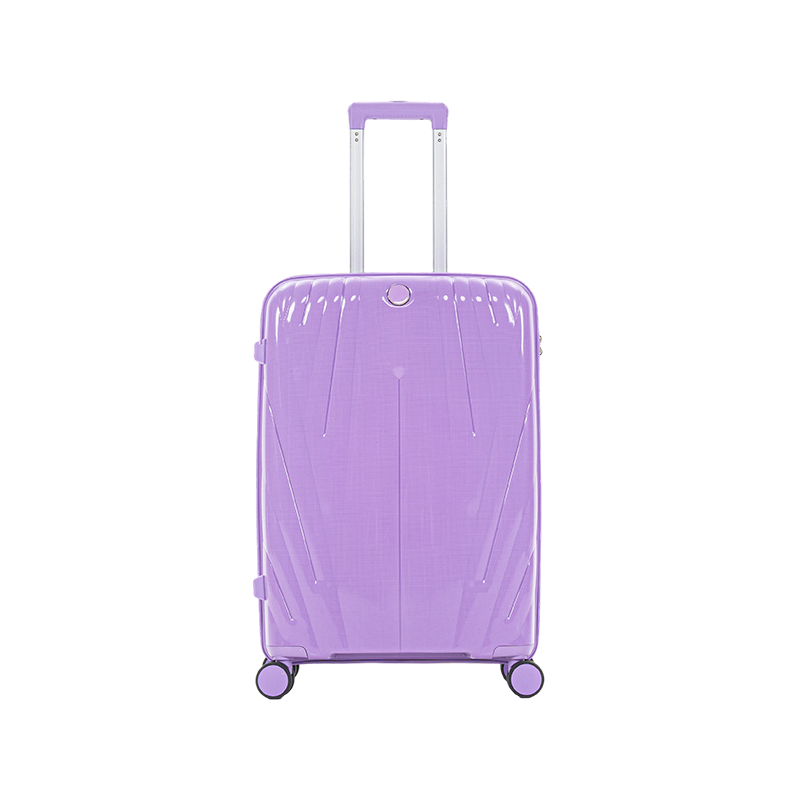
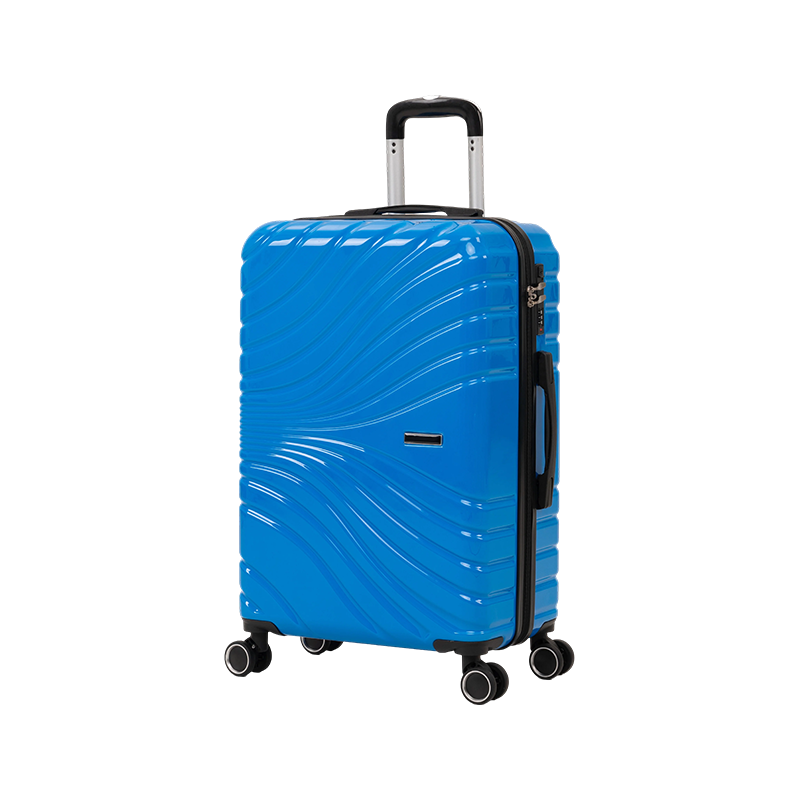
Luggage constructed from ABS plastic is designed to be sturdy. Its hard-shell exterior acts as a shield against direct impacts and general compression from other bags, offering reliable defense for packed items. This rigidity is a key reason for its widespread use. However, the properties of the material also mean that when subjected to a sharp, concentrated force—such as a severe corner impact or an unusual pressure point—the shell may be more likely to crack or split than to merely dent. This is not a guaranteed outcome, but a consideration based on the material's characteristics.
You can improve a suitcase's performance by selecting designs with reinforced features. Models with metal or hard plastic corner guards, ribbed surfaces that add structural strength, and a blend of ABS with polycarbonate are all developed to better distribute stress. Using external belts or protective covers can also add a layer of security against abrasions and help keep the suitcase closed under stress.
Expanding the View: EVA Fabric Luggage for Demanding Journeys
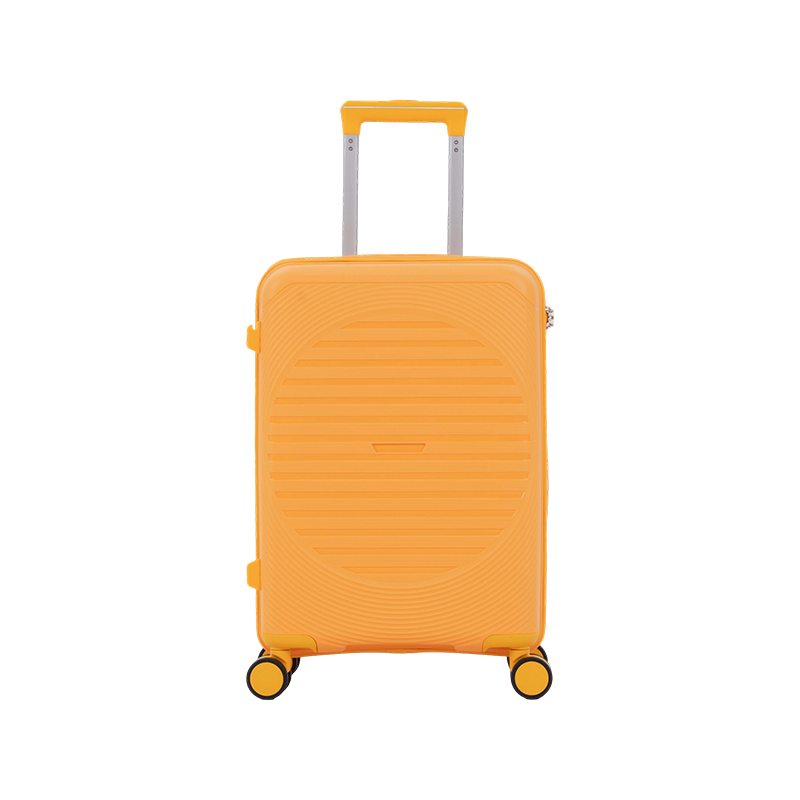
For travelers whose itineraries involve frequent checked baggage on complex routes, exploring different material philosophies is a logical step. This brings EVA Fabric Luggage into focus as a contrasting option. Instead of relying on rigid defense, suitcases made from molded EVA utilize flexibility. This material can absorb shocks and compressions, then return to its original shape, functioning like a durable, padded exterior.
This quality can be advantageous in unpredictable handling environments where bags might be stacked or pressed from various angles. The surface of EVA Fabric Luggage is also typically textured, which helps conceal the minor scratches and marks that are an inevitable part of checked travel, maintaining a consistent appearance over many trips. It represents a different approach to durability, one that prioritizes resilience and recovery over rigid resistance.
Guidance for Different Travel Patterns
Making a choice involves aligning the luggage with your travel habits. For the occasional traveler who checks a bag on a direct flight, a well-made ABS Luggage case, especially one with reinforced edges and a robust shell blend, is generally capable of handling the experience. Proper packing to prevent internal shifting and using available protective accessories will further support its performance.
However, for individuals who regularly check bags on long-haul or multi-segment journeys where handling is more intensive, the durable flexibility of EVA Fabric Luggage may offer a suitable profile. Its ability to manage pressure and resist surface wear aligns with the needs of frequent transit. The initial investment for such a case is often different, but for the traveler who checks luggage constantly, the material's long-term resilience and maintained appearance can be determining factors.
A Balanced Perspective on Suitcase Selection
No suitcase material is without compromise. ABS Luggage provides accessible, hard-shell protection that serves many travelers adequately, especially when chosen with reinforced design features. For those facing more rigorous checked travel conditions, the flexible and resilient nature of EVA Fabric Luggage presents a legitimate alternative designed to endure constant use. Your decision should weigh the frequency of your trips, the typical handling your bags receive, and how you value the longevity of the suitcase's structure and appearance.
 Previous