

 English
 Français
 Español
 عربى
عربى
When preparing for air travel, one decision that comes up often is whether to use a lock that is already built into the suitcase or to buy a separate padlock. Both types carry the TSA approval mark, and both allow security officers to open them for inspection. However, each style has its own set of characteristics that may suit different travelers. A TSA Luggage Lock — whether built‑in or separate — serves the same basic purpose, but the way you interact with it can affect your travel experience. Understanding the differences helps you make a choice that fits your habits.

Built‑In Locks: Always Ready but Harder to Replace
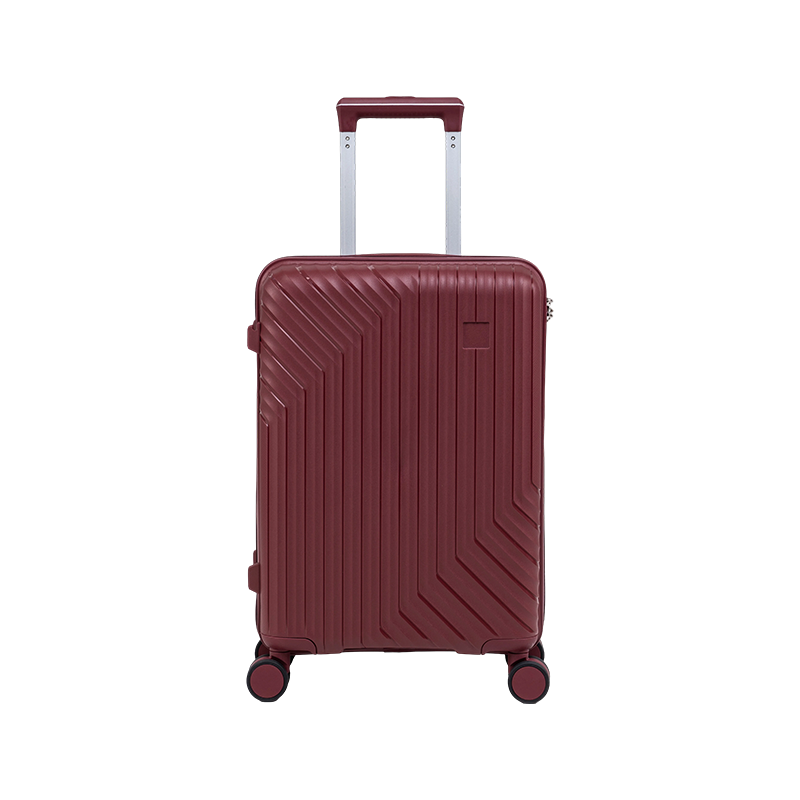
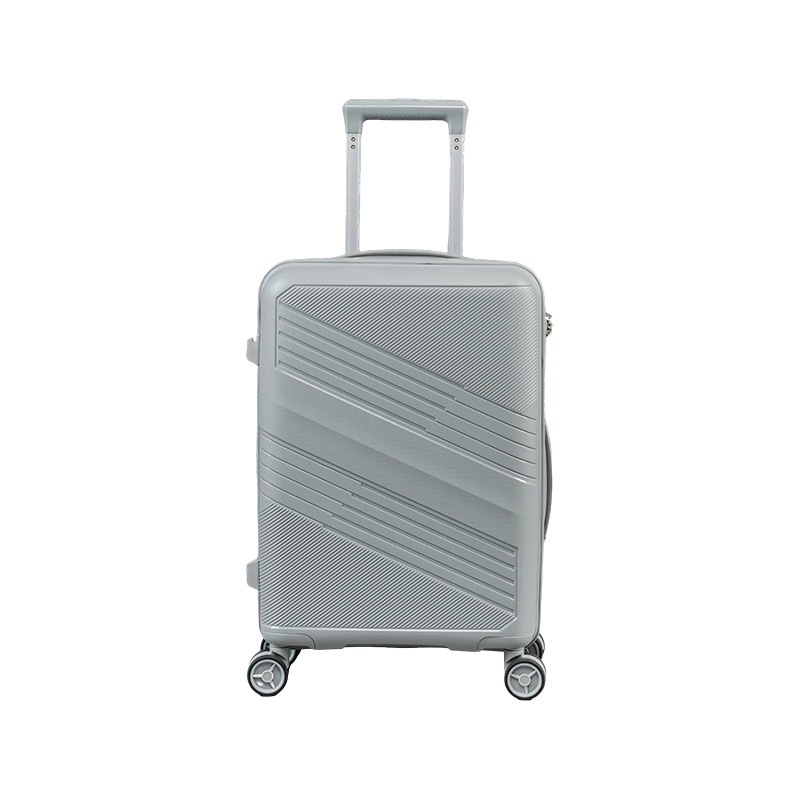
Many suitcases come with a combination lock built into the frame. This lock is usually located near the top edge or on the side of the bag. It sits flush with the surface, so it does not snag on conveyor belts or other luggage. One clear benefit is that you cannot lose a built‑in lock. It stays attached to the suitcase at all times. There is no need to remember to pack a separate item. Also, built‑in locks often have a low profile, which means they are less likely to be bumped or hit during handling. However, if a built‑in lock breaks, the entire suitcase may need to be repaired. Fixing a recessed lock is not a simple task for travelers. You might have to take the bag to a repair shop or contact the manufacturer. Another point is that the number wheels on some built‑in locks are small and can be hard to read in dim light.
Separate Locks: Flexible and Easy to Replace
A separate TSA Luggage Lock is a small padlock that you attach to the zipper pulls of any suitcase. Many travelers prefer this style because they can use the same lock on multiple bags. For example, if you have two checked suitcases and a carry‑on, you can buy two or three identical locks and set them to the same code. Separate locks are also simple to replace. If a lock becomes difficult to open or the reset button stops working, you can buy a new one without replacing the entire suitcase. Another advantage is variety. Separate locks come in many colors, sizes, and materials. You can choose a bright color to make your bag stand out on the carousel. A separate lock can also be used on a backpack, a gym bag, or a storage box. The only drawback is that you need to keep track of the lock. It can be left on a hotel desk or fall out of a pocket.
Comparing How They Handle Daily Use
A built‑in lock is protected by the suitcase’s frame, so it is harder for someone to smash or pry open. However, the internal mechanism may be simpler. Some built‑in locks use a plastic housing inside the bag, which can crack if the suitcase is overstuffed. A separate lock, especially one with a metal body, can be very strong, but it hangs outside the bag and could be caught on luggage belts or dropped on hard floors. Neither type offers a high level of theft protection because any TSA‑approved lock can be opened by the universal key that security officers carry. The purpose of these locks is to keep the bag closed during normal handling and to survive security checks without being cut off. For the actual security of valuable items, carry them with you in your personal bag.
Which Type Fits Different Travel Patterns?
Frequent flyers who check a bag every week might prefer a built‑in lock because it saves time. There is no separate item to pack, and the lock is always ready when you zip up the suitcase. On the other hand, a person who travels once a year or uses different bags for different trips might like a separate lock. It can be moved from an old suitcase to a new one. Families sharing luggage can buy several separate locks with the same code. Also, if you often lend your suitcase to someone else, a separate lock lets them set their own code. Another scenario: if you have a soft‑sided bag without a built‑in lock, a separate lock is your only option.
Making a Choice That Works for You
Think about the last few trips you took. Did you ever forget to pack a lock? Did you ever wish your suitcase had a lock built in because you could not find a separate one? Or did you find that built‑in locks felt too small or hard to read? Answering these questions points toward the right choice. A TSA Luggage Lock — regardless of the style — is a tool for convenience. Pick the style that removes friction from your routine. If you are still unsure, start with a good separate lock. It works on almost any bag, and you can always buy a suitcase with a built‑in lock later. Both options are widely available, and neither will let you down when chosen carefully.
 Previous