

 English
 Français
 Español
 عربى
عربى
Many travelers assume hard-shell luggage will quickly look worn after several airport trips.
The suitcase slides across conveyor belts, gets stacked under heavier baggage, and repeatedly hits metal edges during transport. Yet some ABS PC Luggage still maintains a relatively clean surface even after frequent travel, while other cases begin showing scratches and dull areas much earlier.
Inside luggage manufacturing, this difference is not only about shell thickness.
Actually, surface behavior depends heavily on how ABS and PC materials work together during impact and friction.
Surface Texture Changes How Scratches Appear
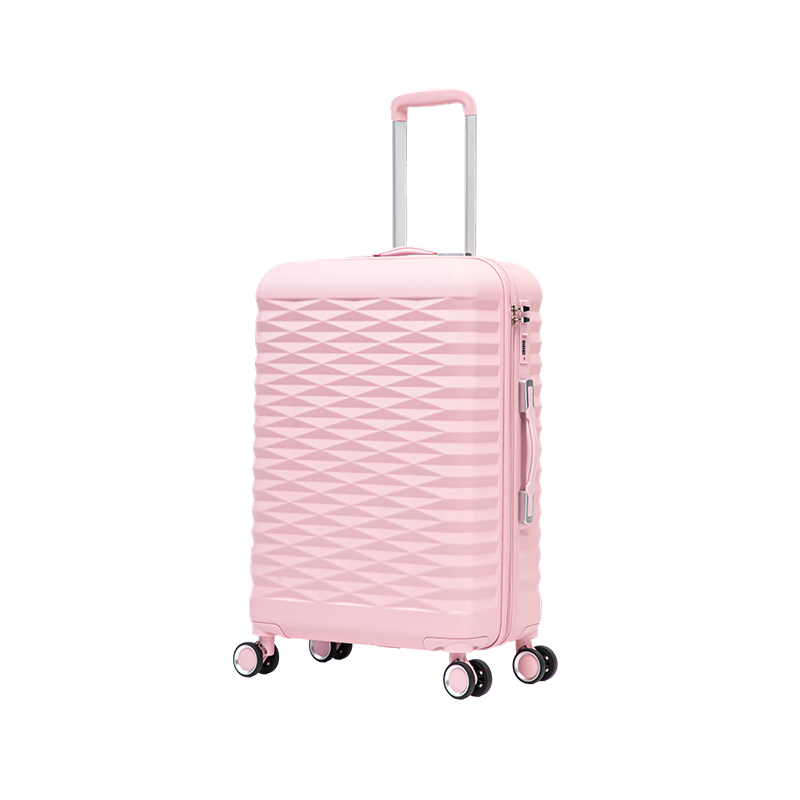
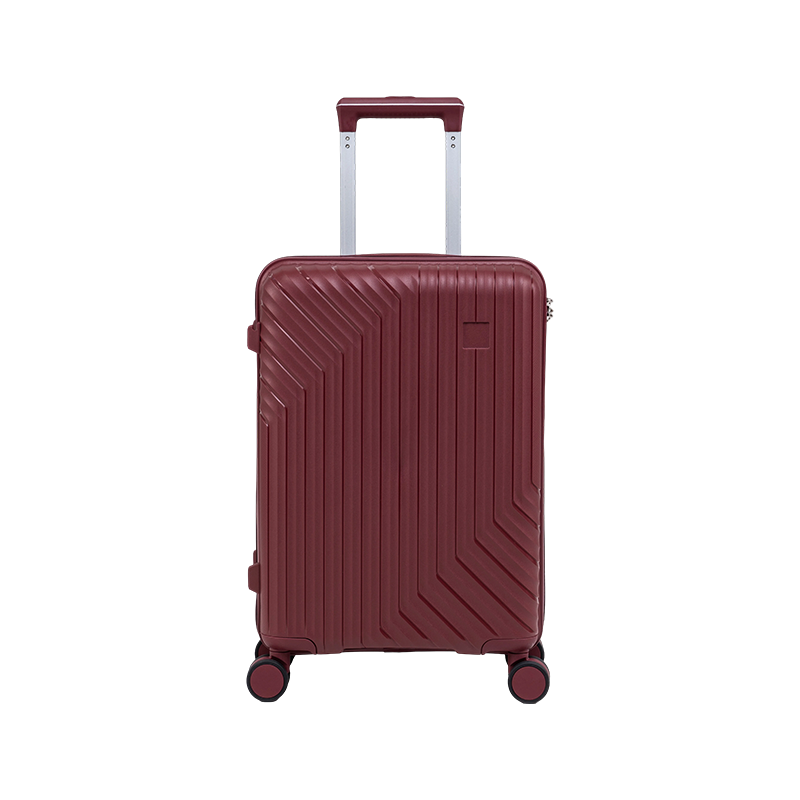
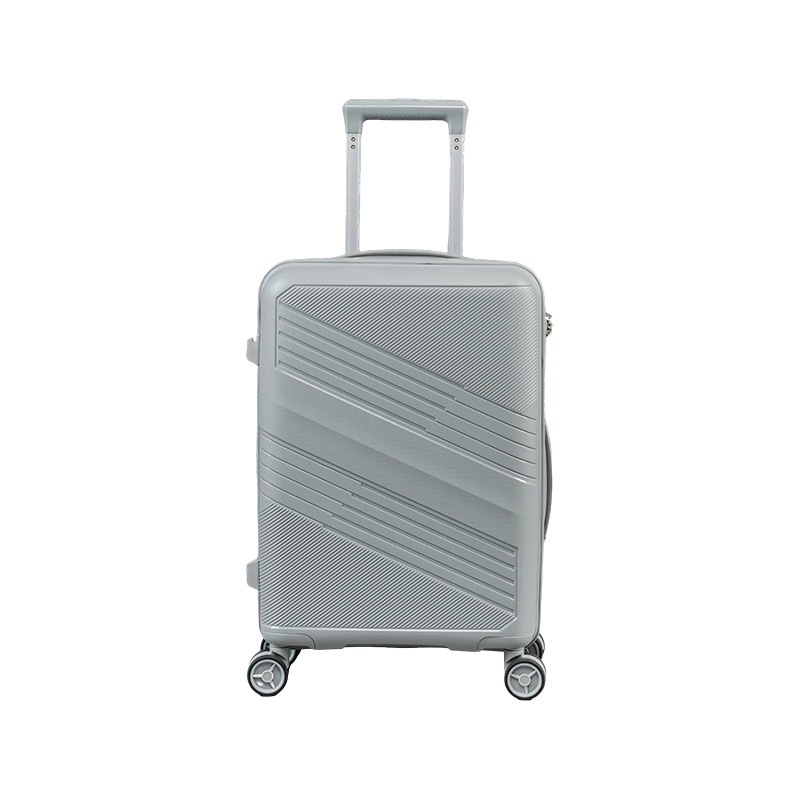
One reason certain ABS PC Luggage looks newer longer is the shell texture itself.
Smooth glossy surfaces reflect light evenly, so even small scratches become visible immediately. Textured shells behave differently because irregular surface patterns help scatter reflected light, making wear marks harder to notice during everyday use.
This becomes especially noticeable during:
- airport baggage handling
- train travel
- overhead compartment storage
- taxi loading
- long-distance transfers
Actually, some suitcases are not scratched less — the surface simply hides abrasion more effectively.
PC Layers Absorb Friction Differently
Inside many ABS PC Luggage designs, manufacturers combine ABS structural material with a PC outer layer or film surface. The PC section helps improve flexibility and surface resistance during repeated contact.
When luggage experiences sliding friction, the shell does not respond like rigid metal.
Instead, the outer layer distributes minor surface pressure more gradually, which reduces visible cracking and deep scuff formation during normal handling.
This becomes important around:
- corner edges
- wheel-side contact points
- stacking pressure zones
- zipper areas
- front shell surfaces
Actually, flexible surface recovery often matters more than many hardness during travel use.
Airport Handling Creates Repeated Micro-Impact
Most visible luggage damage does not come from one major collision.
For ABS PC Luggage, long-term wear usually develops from hundreds of smaller impacts happening repeatedly during transport. Conveyor transfers, baggage stacking, and rolling vibration slowly affect the shell surface over time.
Experienced manufacturers therefore pay attention to:
shell rebound behavior
panel flexibility
corner reinforcement
surface coating stability
stress distribution
Actually, luggage shells that are too rigid sometimes crack faster because they cannot disperse repeated impact energy effectively.
Temperature Changes Affect Shell Behavior
A suitcase behaves differently in tropical airports compared with cold cargo environments.
Inside ABS PC Luggage, ABS and PC materials respond differently to changing temperatures. ABS provides structural rigidity, while PC contributes more flexibility during pressure changes.
This balance becomes important during:
- winter flights
- outdoor loading areas
- hot vehicle storage
- long-haul travel
- seasonal climate shifts
Actually, some shells become more vulnerable not because of impact itself, but because temperature changes alter how the material absorbs stress.
Wheel Vibration Transfers Stress Into The Shell
Travelers often focus mainly on the suitcase body.
In reality, wheel movement affects the shell continuously. When ABS PC Luggage rolls across uneven sidewalks, escalator grooves, or rough pavement, vibration transfers upward through the frame and corner structure.
Over time, this may influence:
- shell joint stability
- edge wear
- corner fatigue
- panel tension
- handle connection stress
Actually, long-distance rolling sometimes creates more cumulative stress than baggage drops during flights.
Thin Shells And Thick Shells Behave Differently
Not every ABS PC Luggage shell handles force the same way.
Very thick shells may feel rigid initially, but heavier material sometimes transfers impact energy less evenly during strong collisions. Thinner shells flex more easily, although excessive flexibility may reduce structural support.
Manufacturers therefore try balancing:
- shell weight
- rebound strength
- deformation control
- portability
- long-term durability
Actually, the durable luggage often uses controlled flexibility rather than many hardness alone.
Real Durability Usually Shows After Repeated Travel
To many consumers, ABS PC Luggage mainly looks attractive because of its glossy appearance and lightweight structure.
Inside real travel environments, however, long-term performance depends on surface texture, material flexibility, shell recovery, vibration resistance, and repeated impact behavior working together across hundreds of trips.
The difficult part is not making a suitcase survive one journey.
It is keeping the shell stable and visually acceptable after years of dragging, stacking, temperature changes, conveyor impacts, and constant movement through real transportation conditions.
 Previous