


 English
 Français
 Español
 عربى
عربى
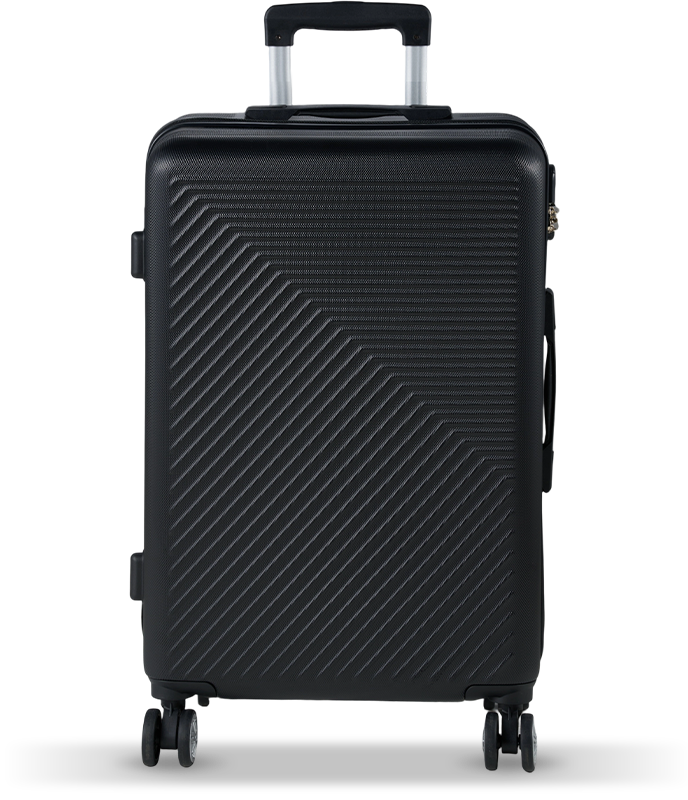
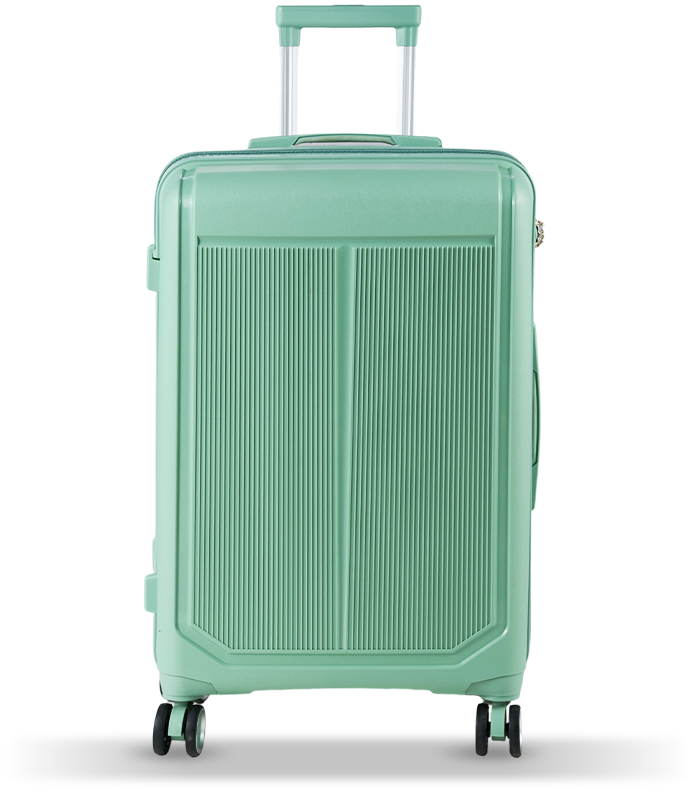
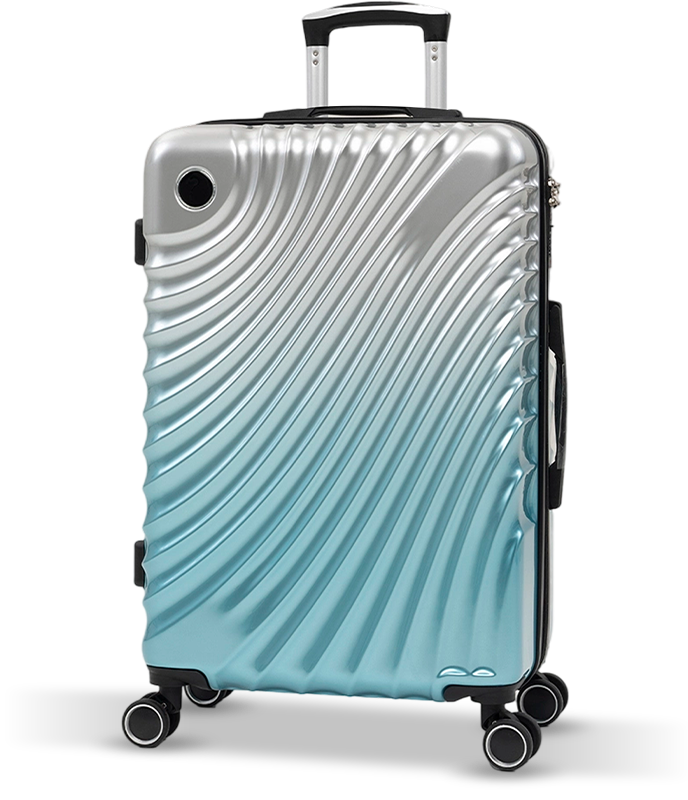
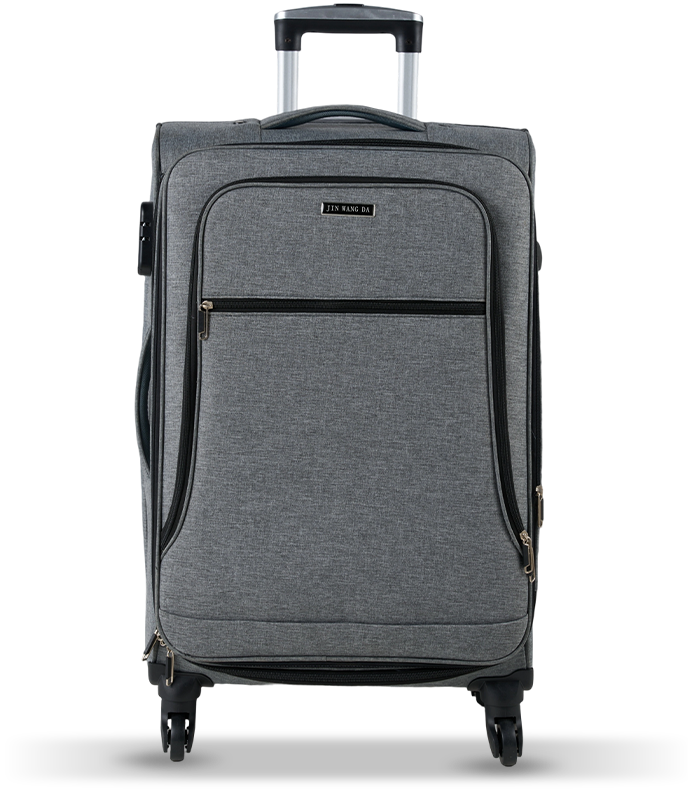
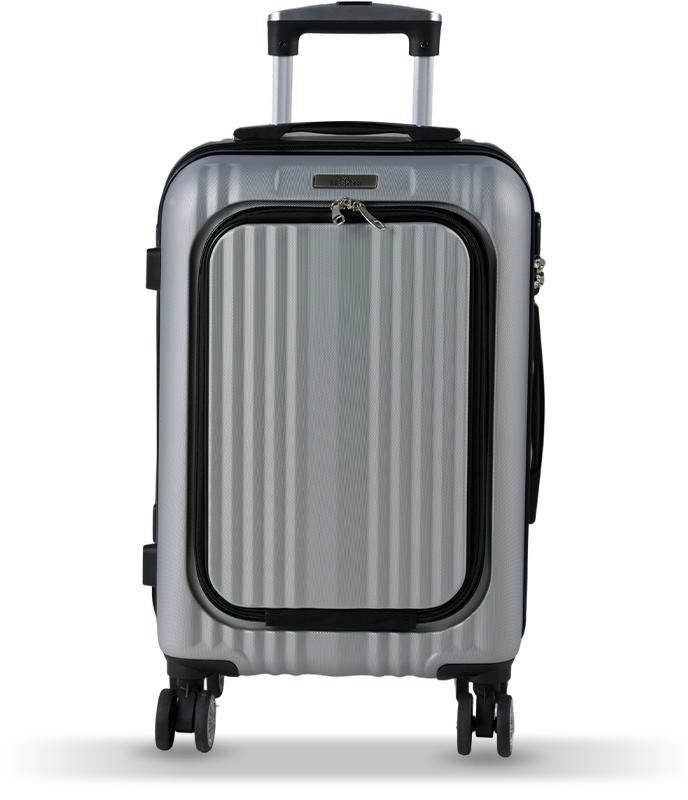
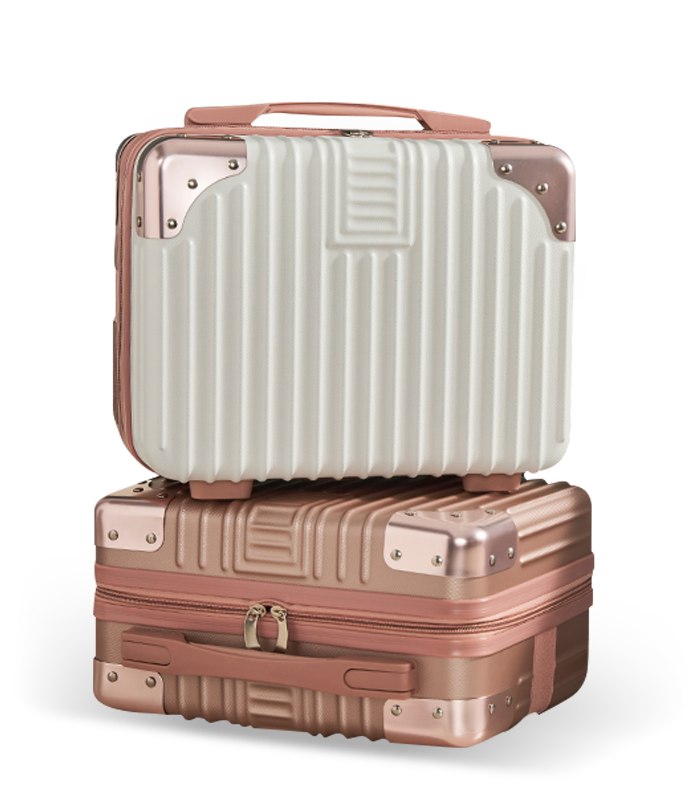

PC Luggage has become a widely preferred choice for travelers due to its combination of strength, flexibility, and relative lightweight. Its polycarbonate construction allows it to handle frequent han...
Read MoreFabric Luggage
-

 BX8 Fabric Luggage
 -

 BX7 Fabric Luggage
 -

 BX6 Fabric Luggage
 -

 BX5 Fabric Luggage
 -

 BX4 Fabric Luggage
 -

 BX3 Fabric Luggage
 -

 BX2 Fabric Luggage
 -

 BX1 Fabric Luggage
The EVA cloth box launched by Jinwanda Company has the characteristics of unique design and practical performance, bringing consumers a new travel option.
In terms of its production process, it adopts the popular small twill pattern of our factory. This pattern design gives the cloth box a fashionable and unique appearance, standing out from many suitcases, showing personality and taste. The texture is delicate and rich in texture, making the box present a rich sense of layering and three-dimensionality under different lights, and the visual effect is better.
In terms of material, EVA (ethylene-vinyl acetate copolymer) itself has good flexibility and elasticity, so that the cloth box can effectively buffer and reduce shock when it is subjected to certain external force extrusion or collision, protecting the internal items from damage. At the same time, the EVA cloth box is light in weight, easy to carry and carry, and reduces the burden of travel. In addition, it also has a certain waterproof performance, which can resist daily rain or slight water stains, and is more secure for daily use.
In addition, the EVA cloth box can be customized in color and pattern according to consumer preferences to meet diverse needs, making each model unique, and is an ideal choice for travelers who pursue both fashion and practicality.
Company
Ruian Jinwangda Bags & Leather Goods Co., Ltd.
Ruian Jinwangda Bags & Leather Goods Co., Ltd. is a professional enterprise specializing in the design, production, and sales of luggage, bags, and leather products. Located in Ruian City, Zhejiang Province - a significant hub of China luggage industry, the company has established a reputation in both domestic and international markets. With years of industry experience, exquisite craftsmanship, and a strict quality management system, we are committed to providing customers with high-quality, fashionable, and practical luggage and leather products.
News
-
-
PC Luggage and ABS luggage are two common types of hard-shell suitcases that travelers consider when choosing durable travel options. While both protect personal belongings, they differ in material ch...
Read More -
PC Luggage has gained attention among travelers seeking a combination of durability, style, and convenience. Made from polycarbonate, this type of hard-shell luggage protects personal belongings while...
Read More -
Online search behavior provides valuable insight into how travelers evaluate luggage options before making purchasing decisions. In recent years, material-related searches have become increasingly pro...
Read More
Industry Knowledge
Fabric luggage, often referred to as soft-sided luggage, has become a staple in the travel industry due to its flexibility, lightweight construction, and practicality. Unlike hard-shell luggage, fabric luggage is made primarily from textiles such as polyester, nylon, and ballistic fabrics. These materials provide durability while allowing for expansion, lightweight handling, and ease of storage.
Key Features of Fabric Luggage
Fabric luggage stands out for several practical features that cater to the diverse needs of travelers:
- Lightweight Construction: Fabric materials are lighter than polycarbonate or aluminum, reducing the overall weight of the luggage.
- Flexibility and Expandability: Soft-shell luggage can expand to accommodate additional items, which is not feasible with rigid cases.
- Durability: Modern textiles, such as ballistic nylon or high-denier polyester, offer resistance to tearing and abrasion.
- Multiple Compartments: Fabric luggage typically includes a variety of interior and exterior pockets for organization.
- Ease of Handling: Soft-sided luggage can fit into overhead compartments or tight spaces more easily due to its compressible structure.
- Water Resistance: Many fabric luggage types are treated to resist moisture and stains, although they are not fully waterproof.
- Variety of Sizes: Available in carry-on, checked, and travel duffel sizes to meet airline regulations.
Common Materials Used in Fabric Luggage
The performance of fabric luggage is highly dependent on the textile material used. The more common options include:
| Material Type | Characteristics | Advantages | Common Use Cases |
| Polyester | Synthetic polymer, lightweight, resistant to UV light | Affordable, moderately durable, wide color options | Everyday travel, short trips |
| Nylon | Strong synthetic fiber, smooth texture, high tensile strength | Tear-resistant, lightweight, long-lasting | Business travel, frequent flyers |
| Ballistic Nylon | High-density nylon weave, originally designed for military use | Extremely durable, abrasion-resistant, water-repellent | Long-haul travel, heavy-duty luggage |
| Canvas | Woven natural fiber, heavier than synthetic fabrics | Eco-friendly, stylish, customizable | Boutique luggage, casual travel |
| Ripstop Fabric | Reinforced with interwoven threads to prevent tearing | Lightweight yet highly tear-resistant | Adventure travel, rugged conditions |
Advantages of Fabric Luggage
Fabric luggage offers several benefits that appeal to a broad spectrum of travelers:
- Lightweight and Maneuverable: Easier to lift, carry, and store compared to hard-shell alternatives.
- Expandable Storage: Some models include zippers that allow the luggage to expand for extra packing capacity.
- Flexible Packing: Soft sides allow for more creative packing arrangements and can accommodate irregularly shaped items.
- Cost Efficiency: Generally, fabric luggage is more affordable than hard-shell models of comparable size.
- Variety in Design: Fabric allows for multiple textures, colors, and patterns, giving travelers more personalization options.
- Repairability: Minor tears or wear can often be repaired with patches or stitching, extending the product lifespan.
- Light Compression: Soft luggage can be squeezed into tight storage spaces such as car trunks or airplane overhead bins.
Limitations Compared to Hard-Shell Luggage
Despite its benefits, fabric luggage does have some limitations:
- Impact Protection: Less effective at protecting fragile items from heavy impact.
- Shape Maintenance: Can become misshapen when not fully packed or under pressure.
- Water Resistance: While often water-repellent, fabric luggage is generally not waterproof.
- Security Concerns: Soft materials can be cut more easily, making security measures like TSA-approved locks more crucial.
Design Trends in Fabric Luggage
In recent years, fabric luggage has evolved to meet changing consumer demands and travel patterns:
- Lightweight Innovation: Manufacturers increasingly use ultra-lightweight fabrics to reduce weight without compromising durability.
- Eco-Friendly Materials: Recycled polyester and other sustainable fabrics are gaining popularity.
- Integrated Technology: Some models now include built-in USB charging ports, GPS trackers, and anti-theft features.
- Modular Packing Systems: Removable compartments, compression straps, and packing cubes for better organization.
- Ergonomic Features: Enhanced handles, smooth-rolling wheels, and balanced weight distribution for easier handling.
Consumer Preferences
Understanding consumer behavior is crucial for predicting trends in fabric luggage demand. Some observed patterns include:
- Frequent Travelers: Good durable, high-quality materials like ballistic nylon for long-term use.
- Casual Travelers: Often choose lightweight and budget-friendly polyester luggage.
- Business Travelers: Opt for sleek designs, laptop compartments, and professional aesthetics.
- Family Travel: Require expandable compartments and multi-pocket designs for organized packing.
- Eco-Conscious Buyers: Interested in luggage made from recycled or sustainable fabrics.
Maintenance Tips for Fabric Luggage
Proper care can significantly extend the lifespan of fabric luggage:
- Cleaning: Spot clean with mild detergent and water; avoid harsh chemicals.
- Storage: Store in a dry, cool area; avoid compressing luggage under heavy items.
- Zippers: Lubricate zippers with silicone spray to prevent sticking.
- Waterproofing: Apply a fabric protector spray for enhanced water resistance.
- Wheels and Handles: Regularly check and maintain wheels and telescopic handles for smooth operation.
Market Outlook
The fabric luggage segment is expected to remain significant within the overall luggage market due to several factors:
- Increasing Travel Demand: Growth in domestic and international travel supports consistent demand.
- Diversified Product Offerings: Manufacturers continue to innovate with lightweight materials, stylish designs, and tech integration.
- Sustainability Trends: Rising awareness of environmental issues is driving demand for eco-friendly fabrics.
- E-commerce Expansion: Online retail channels make it easier for consumers to compare, select, and purchase luggage globally.
Comparison with EVA and Hard-Shell Luggage
To better understand fabric luggage in context, it can be compared with EVA (Ethylene Vinyl Acetate) and hard-shell luggage:
| Feature | Fabric Luggage | EVA Luggage | Hard-Shell Luggage |
| Weight | Light | Moderate | Heavy |
| Flexibility | High | Medium | Low |
| Expandability | Yes | Limited | No |
| Impact Resistance | Moderate | High | High |
| Water Resistance | Moderate | High | High |
| Design Variety | High | Medium | Medium |
| Price Range | Low to Medium | Medium | Medium to High |
This table illustrates how fabric luggage maintains a balance between lightweight convenience and functional versatility, making it ideal for everyday travelers.
Fabric luggage remains a vital part of the luggage industry due to its adaptability, affordability, and practicality. While it may not offer the same impact resistance as EVA or hard-shell alternatives, its lightweight design, flexible storage, and variety of material options continue to attract a wide range of consumers
Product
Contact Us
Add:
No. 68 Yanlin Road, Sijia Industrial Zone, Xianjiang Street, Rui'an City, Wenzhou City, Zhejiang Province, China.
Phone:
+86-18758807710
+86-18815108433
+86-15058957585
Email:
Hugo@jinwangda.cn
Wendy@jinwangda.cn
Matt@jinwangda.cn
Quick Links
Contact Us


Copyright © 2025 Ruian Jinwangda Bags & Leather Goods Co., Ltd. All Rights Reserved.
Soft‑Shell Luggage Factory
