

 English
 Français
 Español
 عربى
عربى
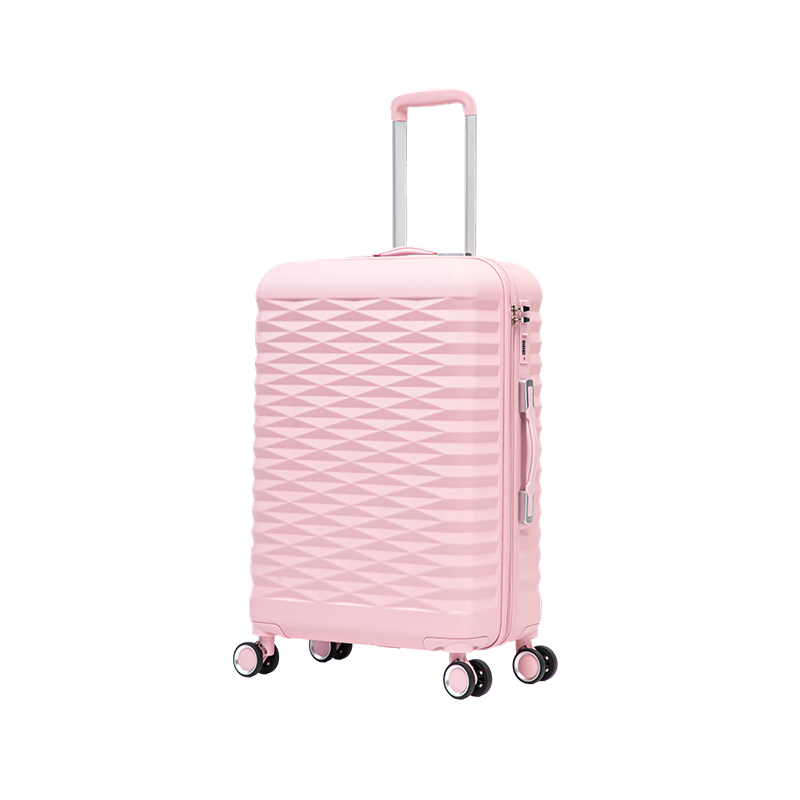
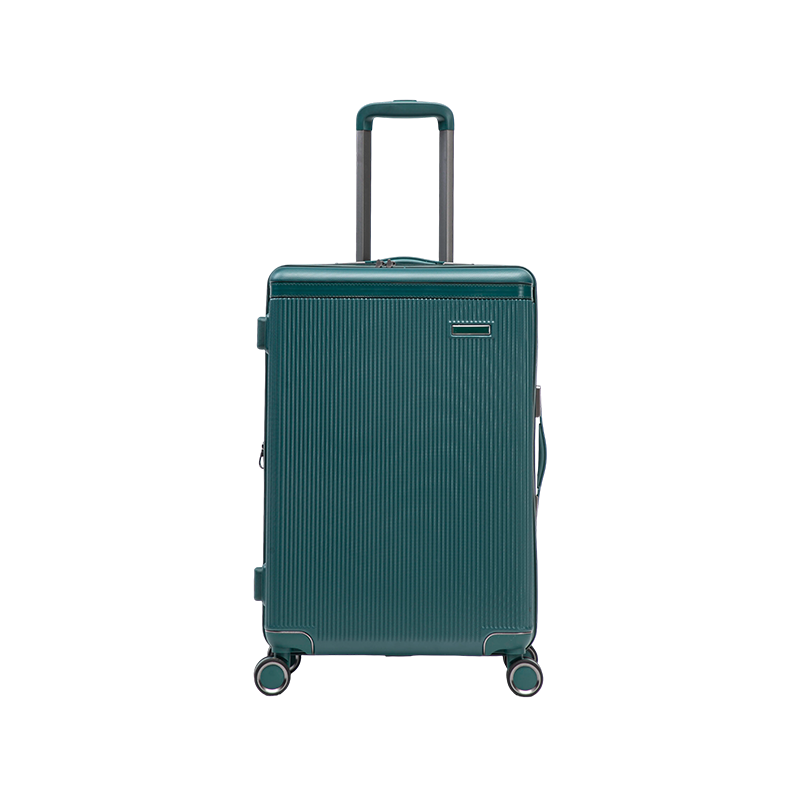
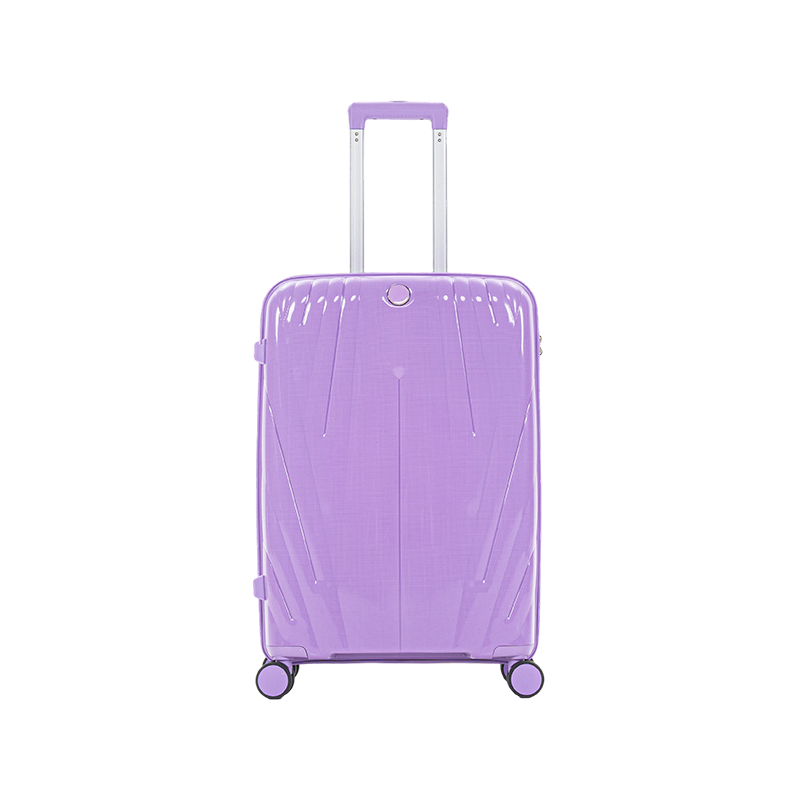
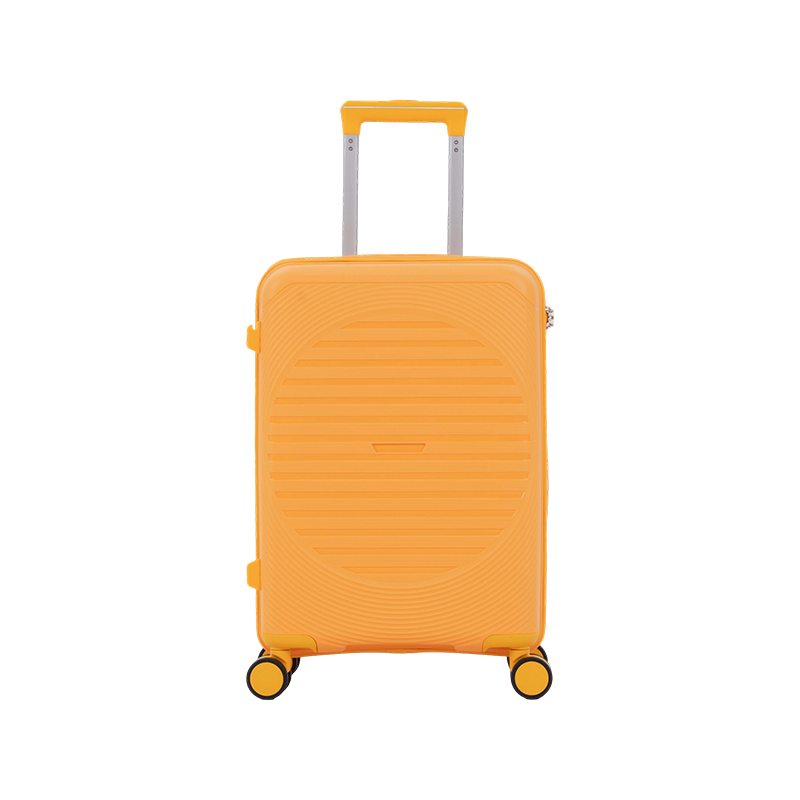
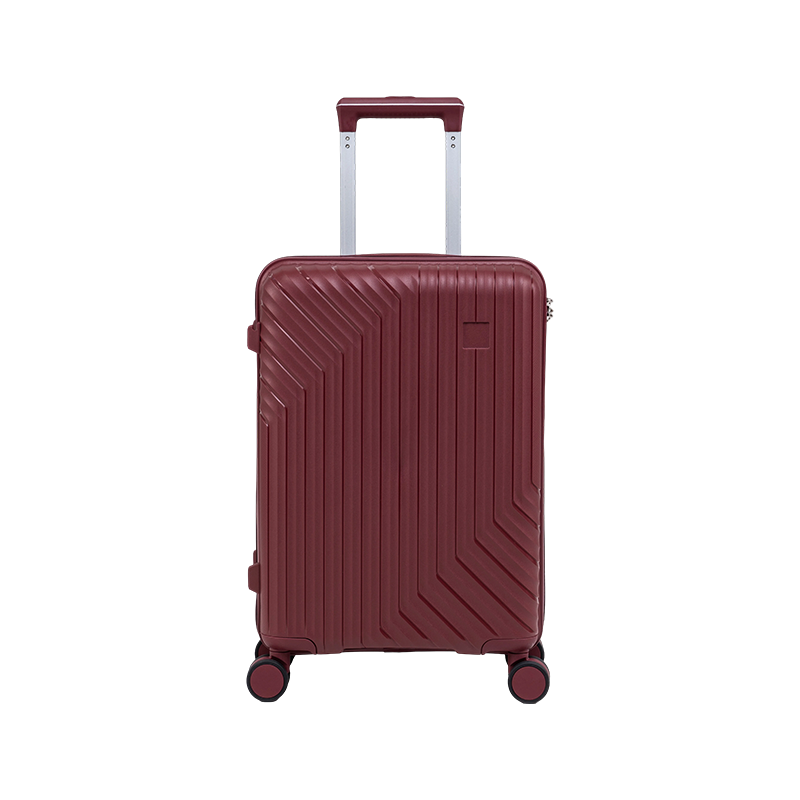
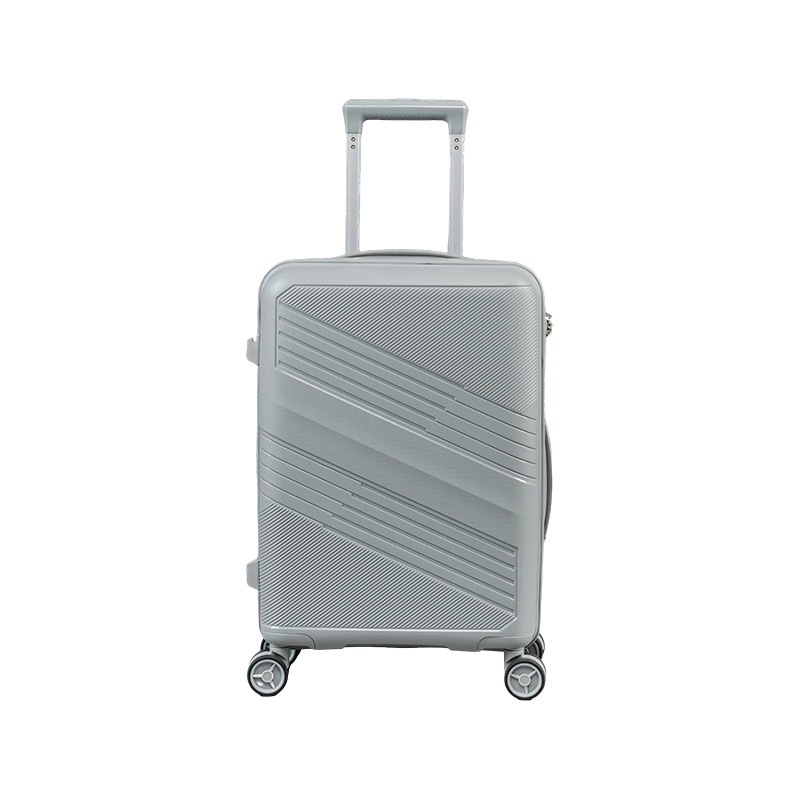
Push a two-wheel suitcase and it tilts toward you, pivoting on a fixed axis at the base. An ABS 4 wheel hard trolley does something different — it stands upright and rolls beside the traveler in any direction, which changes the physics of moving the case more than the wheel count alone suggests. That difference in how weight is carried, rather than the number of wheels itself, is what buyers are usually reacting to when they describe a spinner case as easier to handle.
Why Four Wheels Changes the Physics of Rolling
A two-wheel case is dragged at an angle, with the traveler's arm absorbing part of the case's weight through the tilt. An ABS 4 wheel hard trolley instead distributes weight across four contact points directly beneath the shell, letting the case stand vertically and glide under its own balance rather than being partially carried. This shifts the physical effort from lifting and dragging to simply guiding, which is why spinner-style cases feel lighter in motion even at a similar loaded weight to a two-wheel equivalent.
Axle and Housing Placement Determines Real-World Balance
Wheel count only tells part of the story — where each wheel sits relative to the shell's corners determines whether an ABS 4 wheel hard trolley actually rolls in a straight line or drifts to one side on a slight incline. Housings positioned too far inward from the shell edge reduce the case's effective footprint, making it easier to tip during quick turns, while housings set closer to the corners generally produce a more stable base. This is a design detail that does not show up in a spec sheet listing wheel count and material alone, yet it is often the reason two products both marketed as an ABS 4 wheel hard trolley roll noticeably differently in practice.
What the ABS Shell Contributes to Overall Stability

Shell weight factors into how a four-wheel design behaves in practice. Because ABS is lighter than polycarbonate or aluminum-magnesium alloy at a comparable wall thickness, an ABS 4 wheel hard trolley starts with a lower base weight before anything is packed inside, which keeps the case's center of gravity closer to the ground and easier to control during multidirectional rolling. A heavier shell material can partially offset the mobility advantage that four wheels are meant to provide.
Floor Surface Changes How the Design Performs
Spinner-style rolling favors smooth, even surfaces — airport terminals, hotel lobbies, polished floors — where all four wheels maintain consistent contact. An ABS 4 wheel hard trolley can struggle comparatively on cobblestone, gravel, or uneven pavement, where a fixed two-wheel design sometimes tracks more predictably because it is being actively guided at an angle rather than balanced upright. This trade-off is part of why many travel retailers stock both wheel configurations rather than treating an ABS 4 wheel hard trolley as a universal replacement for two-wheel luggage.
Wheel Housing Variations Without Changing the Base Design
Within the four-wheel format, housing material and wheel compound can vary without altering the shell or axle layout underneath. Polyurethane wheel treads generally roll more quietly and smoothly than harder plastic compounds, and some ABS 4 wheel hard trolley designs use dual-wheel housings at each corner rather than single wheels, adding a measure of redundancy if one wheel wears unevenly over repeated use.
What Buyers Typically Compare
For distributors and retailers sourcing this category, useful comparison points include wheel housing placement relative to the shell corners, wheel material and bearing quality, how the case performs on both smooth and uneven test surfaces, and overall shell weight relative to competing hard-shell materials. Ruian Jinwangda Bags & Leather Goods Co., Ltd., based in Rui'an City, Wenzhou, Zhejiang, produces its ABS 4 wheel hard trolley line alongside two-wheel and PC-film variants, giving buyers a way to compare wheel configuration options within the same base shell category.
 Previous