

 English
 Français
 Español
 عربى
عربى
Hard-shell luggage buyers usually choose a material before they choose a specific case, and that choice tends to come down to a trade-off between weight, price, and rigidity. ABS hard case luggage occupies a specific position in that trade-off — not the lightest material available, not the impact-resistant, but a balance that keeps cost accessible without giving up meaningful protection. Understanding where that balance sits matters more for sourcing decisions than the marketing language attached to any single case.
Where ABS Sits Among Hard-Shell Materials
Compared with polycarbonate and aluminum-magnesium alloy, ABS plastic has a relatively low density, which is part of why ABS hard case luggage tends to weigh less than a similarly sized polycarbonate case built to the same wall thickness. That density advantage does come with a trade-off: ABS is generally less flexible than polycarbonate, meaning it resists denting through rigidity rather than absorbing impact through flex, which shapes how the material behaves under a hard drop versus a sustained crush.
What Density Means for Wall Thickness
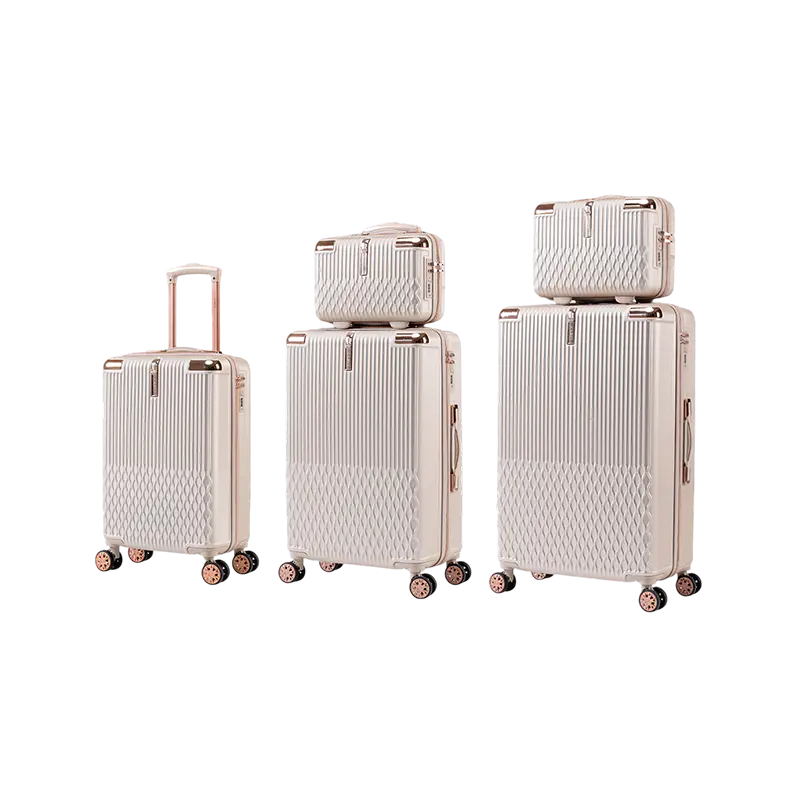
Because ABS is lighter per unit volume than some alternative hard-shell materials, manufacturers can build ABS hard case luggage with a slightly thicker wall for a given total case weight, adding a margin of structural rigidity that a thinner polycarbonate shell might not carry at the same weight budget. This relationship between density and wall thickness is one of the less visible engineering trade-offs behind a material choice that, on the surface, looks like a simple cost decision.
Molding Behavior Shapes Surface Finish
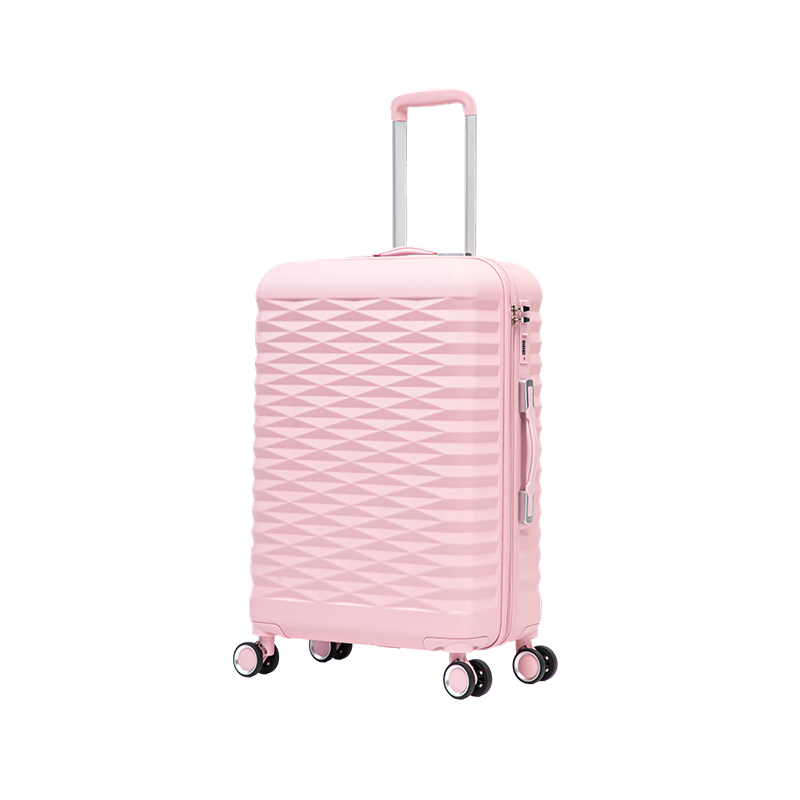
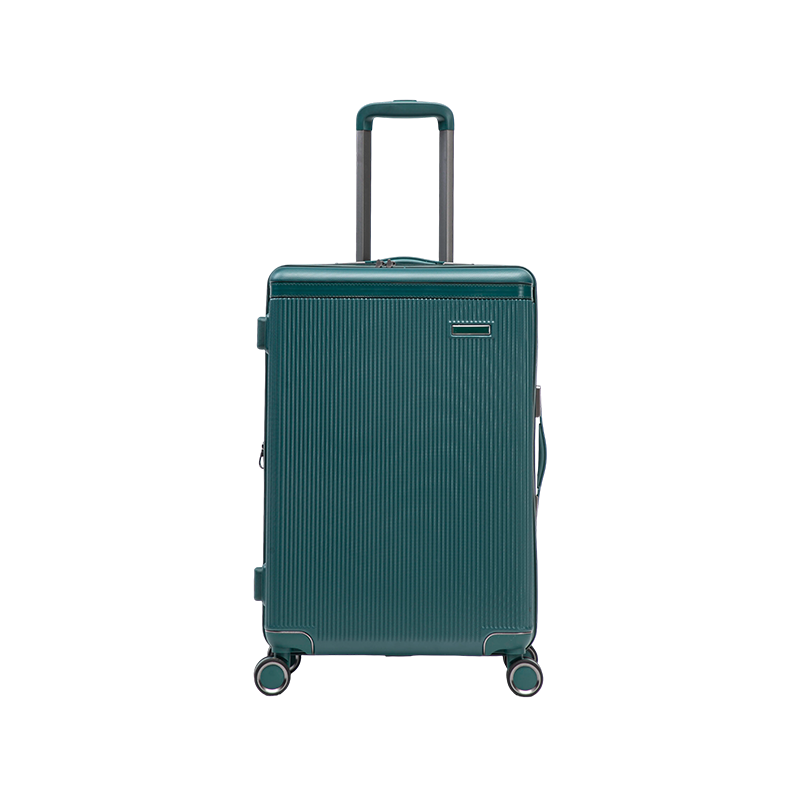
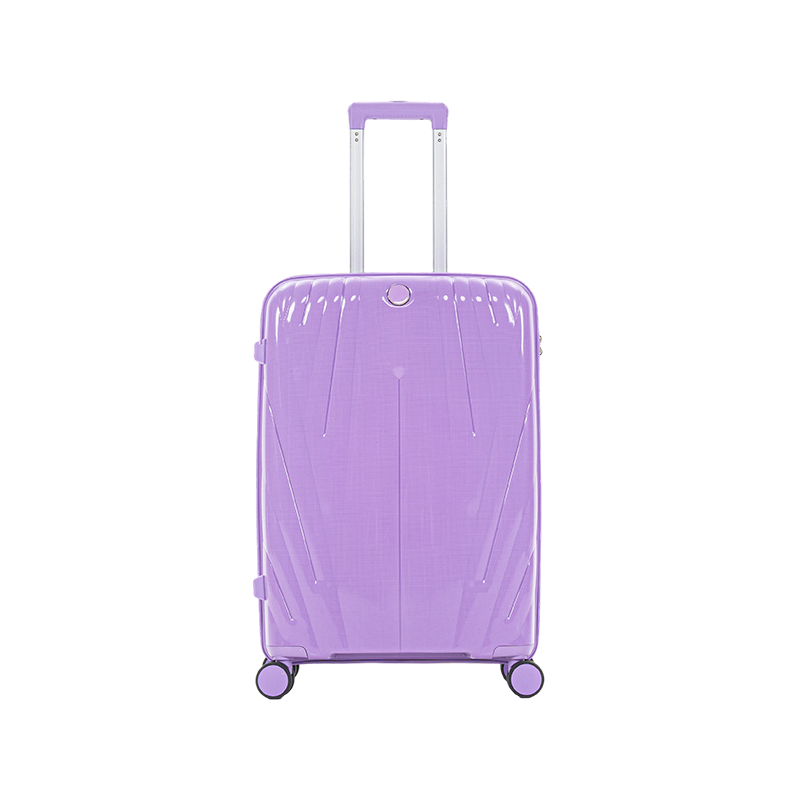
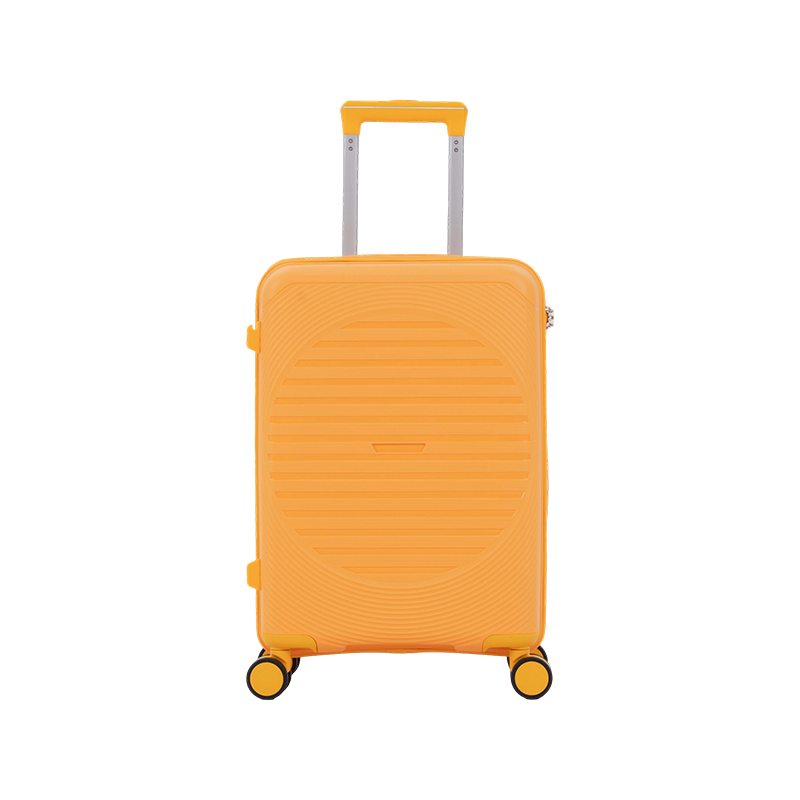
ABS is comparatively easy to mold into consistent shapes and colors, which is part of why ABS hard case luggage is available across a wide range of finishes without significant cost premiums for color variation. The material's molding characteristics also produce the smooth, easy-to-clean surface commonly associated with this shell type — a practical benefit for luggage that travels through varied and sometimes dirty handling environments.
Cost Position Relative to Other Hard Shells
Against polycarbonate and metal alternatives, ABS hard case luggage generally lands at a lower price point while still offering meaningful impact resistance, which is why it remains a common choice for buyers who want hard-shell protection without paying for the marginal durability gains that pricier materials offer. This cost-to-protection ratio is often the deciding factor for retailers building an accessible product tier rather than a premium one, and it is part of why ABS hard case luggage continues to hold a large share of entry- and mid-level hard-shell listings despite newer materials entering the category.
Where the Trade-Off Shows Up in Daily Use
The rigidity that makes ABS hard case luggage resistant to everyday bumps and scrapes is the same property that limits how much the shell can flex under sustained pressure before it cracks rather than dents. This becomes relevant mainly under handling conditions — overloaded cargo holds or repeated stacking — where a more flexible material might deform without failing outright. For typical travel use, this distinction rarely affects day-to-day performance.
Where Personalization Fits Without Changing the Shell
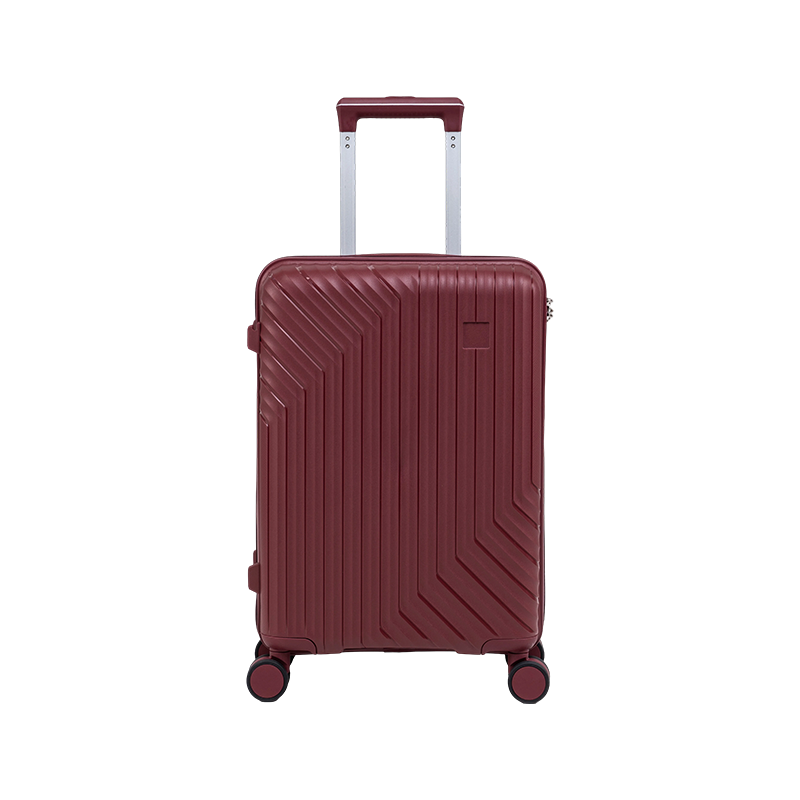
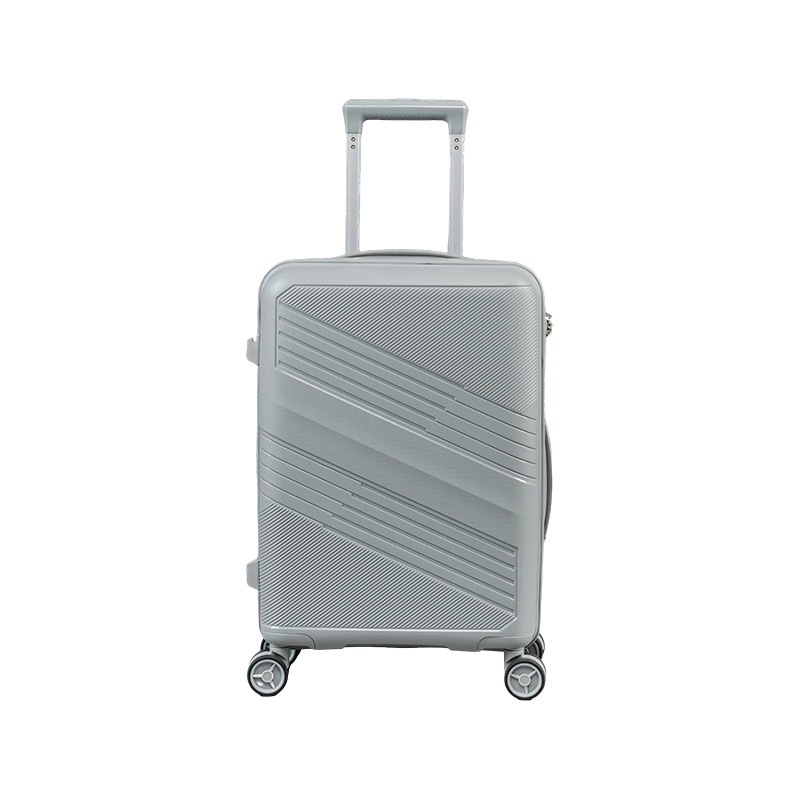
Because ABS accepts color and surface texture readily during molding, ABS hard case luggage can be produced across a wide color range or with textured, scratch-concealing finishes without altering the underlying shell composition or thickness. This gives brands and private-label buyers room to differentiate on appearance while sourcing from the same base material and production process.
What Buyers Typically Compare
For distributors and private-label brands sourcing this category, useful comparison points include wall thickness relative to overall case weight, surface finish and scratch visibility, price position relative to polycarbonate and aluminum alternatives, and how the material performs across the specific handling conditions a target market experiences most. Ruian Jinwangda Bags & Leather Goods Co., Ltd., based in Rui'an City, Wenzhou, Zhejiang, produces ABS hard case luggage across multiple sizes and wheel configurations as part of a broader hard-shell and soft-shell product range.
 Previous