

 English
 Français
 Español
 عربى
عربى
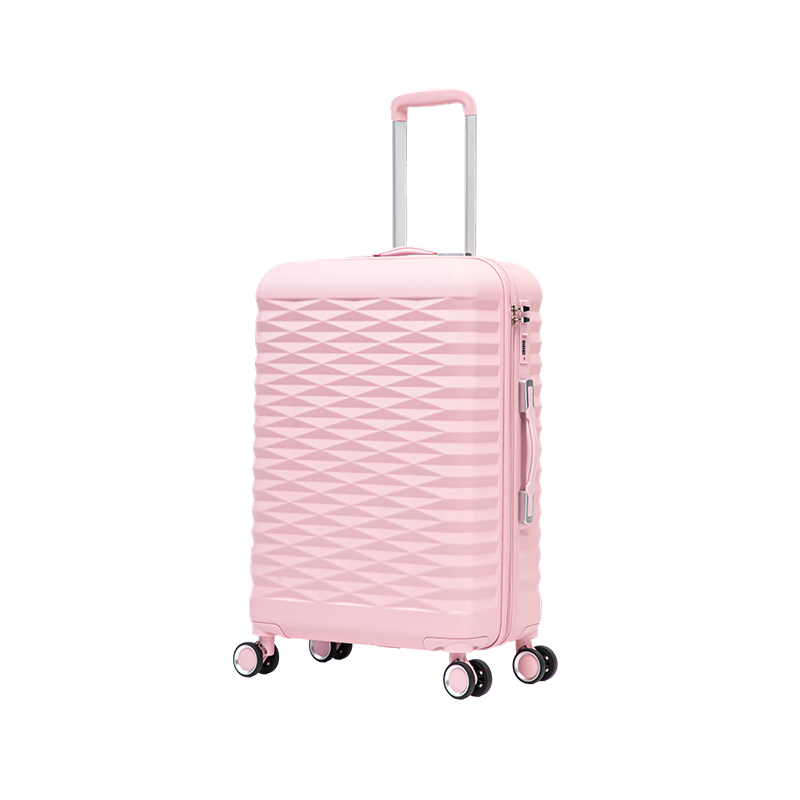
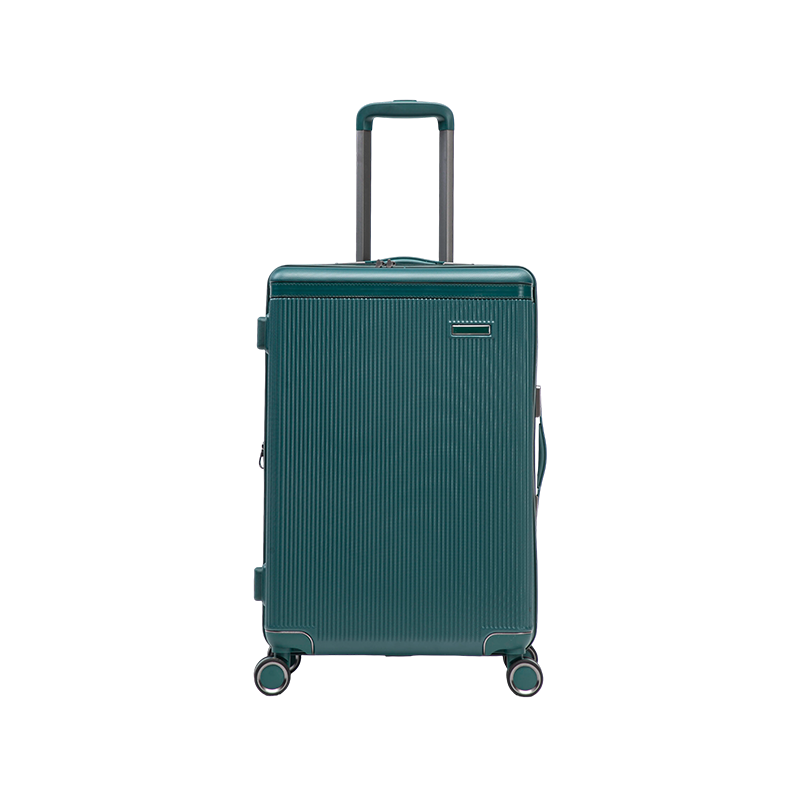
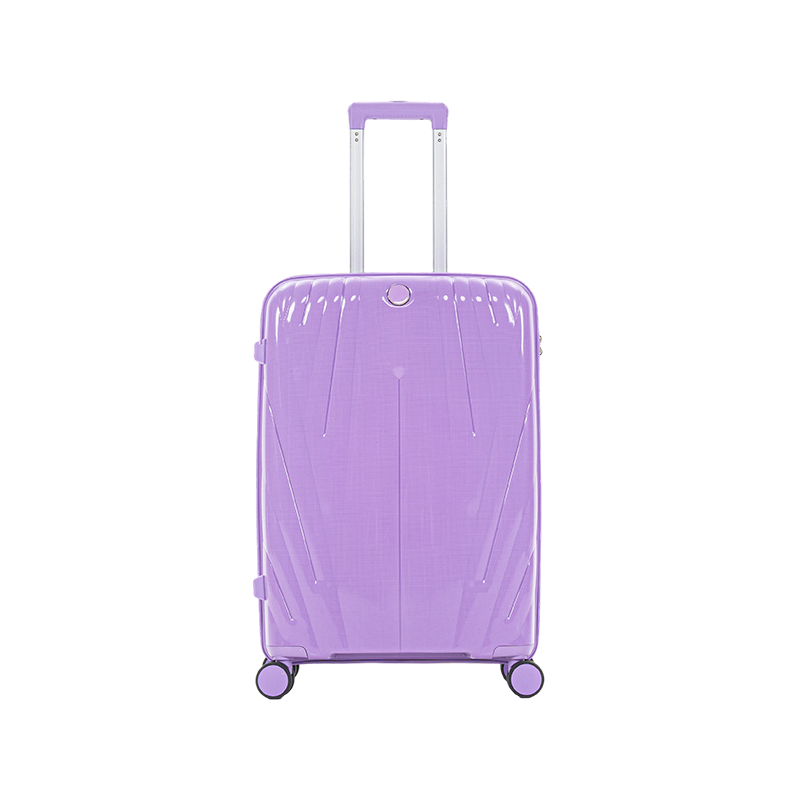
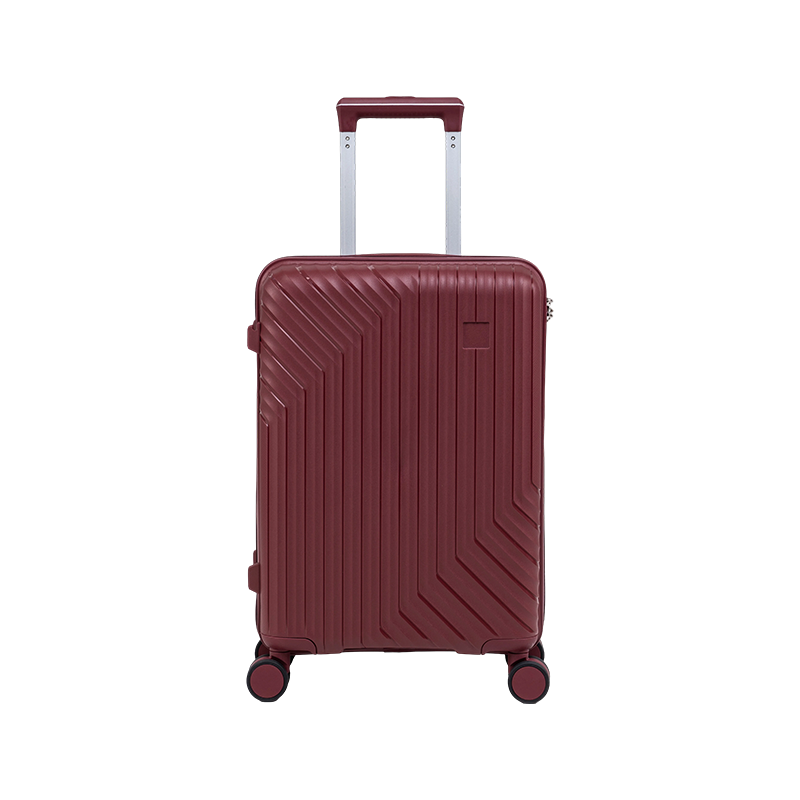
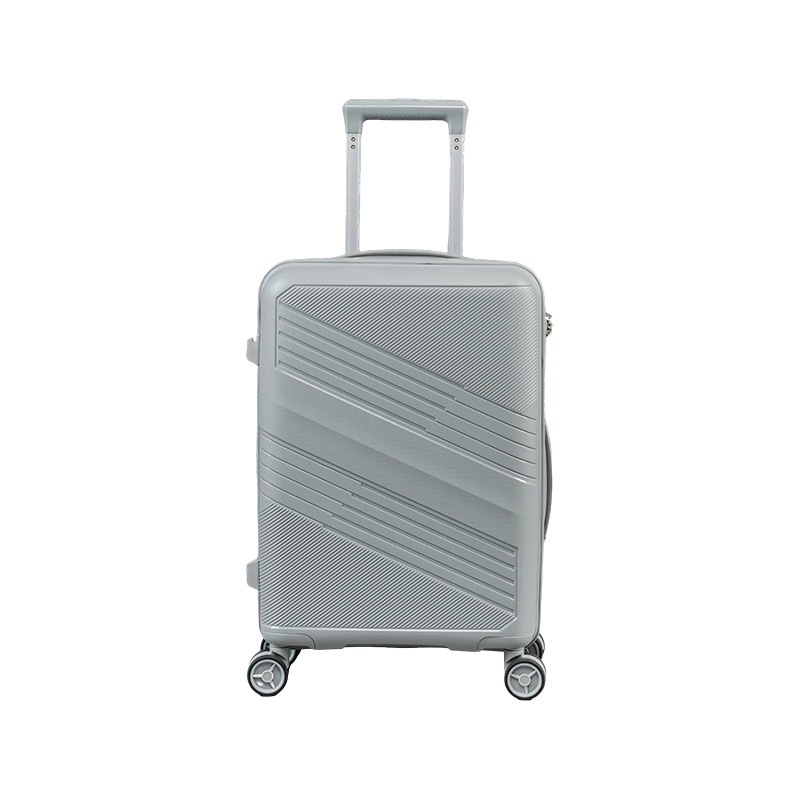
The global travel market has experienced steady structural changes in recent years, with travelers paying closer attention to product materials and long-term usability. Within this context, ABS PC Luggage has become a frequently discussed category among consumers who seek a balanced approach to cost and durability. Rather than focusing on luxury positioning or short-term appeal, this material combination reflects a practical response to evolving travel habits and purchasing expectations.

Growing Demand for Hard-Shell Travel Solutions
Hard-shell luggage has gained sustained attention as travel environments become more demanding. From airport handling processes to varied storage conditions, travelers increasingly require luggage that maintains structural integrity while remaining manageable in daily use. This shift has encouraged manufacturers to explore material combinations that support durability without significantly increasing overall production costs.
ABS PC luggage has emerged as a widely adopted solution in this landscape. By combining two commonly used thermoplastics, this approach addresses both economic and functional considerations. Consumers researching luggage options often encounter discussions around how such materials perform during repeated travel cycles.
Understanding ABS and PC Material Characteristics
ABS material is known for its rigidity and ease of manufacturing. It allows for consistent shaping and offers reliable surface stability under typical travel conditions. However, when used alone, it may show limitations when exposed to repeated impacts or pressure.
PC material, on the other hand, is valued for its flexibility and ability to absorb external force. It can bend slightly under stress and return to its original form, reducing the likelihood of permanent deformation. Due to its material properties, PC is often associated with longer service life in demanding travel environments.
By blending ABS and PC, manufacturers aim to combine structural stability with impact resistance. This hybrid approach allows luggage shells to respond more effectively to real-world handling scenarios while remaining accessible to a broader consumer base.
Cost and Performance Considerations
For many travelers, purchasing decisions involve careful evaluation of long-term value rather than initial price alone. ABS PC luggage represents a middle-ground option for users who want dependable performance without committing to higher-cost material categories.
This balance is particularly appealing to travelers who take multiple trips each year but do not require specialized equipment. The material combination supports consistent performance across varied usage scenarios, including short trips, extended vacations, and mixed transportation environments.
Real-World Travel Applications
ABS PC luggage is often selected for general-purpose travel. Its structure supports typical packing loads while maintaining surface stability during transport. Travelers appreciate the ability to store luggage in overhead compartments, vehicle trunks, or hotel storage areas without concern over immediate damage.
The material blend also supports design flexibility, allowing for integrated compartments, reinforced corners, and smooth mobility features. These elements contribute to an overall travel experience that prioritizes usability rather than novelty.
Industry Outlook
As consumer awareness of material properties continues to grow, ABS PC luggage is expected to remain a relevant option in the travel goods market. Its balanced characteristics align with the priorities of modern travelers who value reliability, adaptability, and practical design. Rather than following short-lived trends, this category reflects steady demand shaped by everyday travel realities.
 Previous