

 English
 Français
 Español
 عربى
عربى
EVA Fabric Luggage Combines Textile Handling With Structured Support
EVA Fabric Luggage is gaining attention as luggage developers look for alternatives to fully rigid cases. Its construction combines an EVA-based outer material with a fabric-like surface, creating a case that sits between traditional soft-sided luggage and molded hard-shell designs. This structure gives product developers more room to balance appearance, handling, and protective performance within one travel collection.
For B2B buyers, the category is not simply another fabric suitcase option. The material affects how the case is formed, how the surface appears, and how the luggage responds when pressure is applied during packing, transport, and storage. These factors increasingly influence how distributors and private-label brands position different luggage ranges.
Small Twill Patterns Change the Surface Design
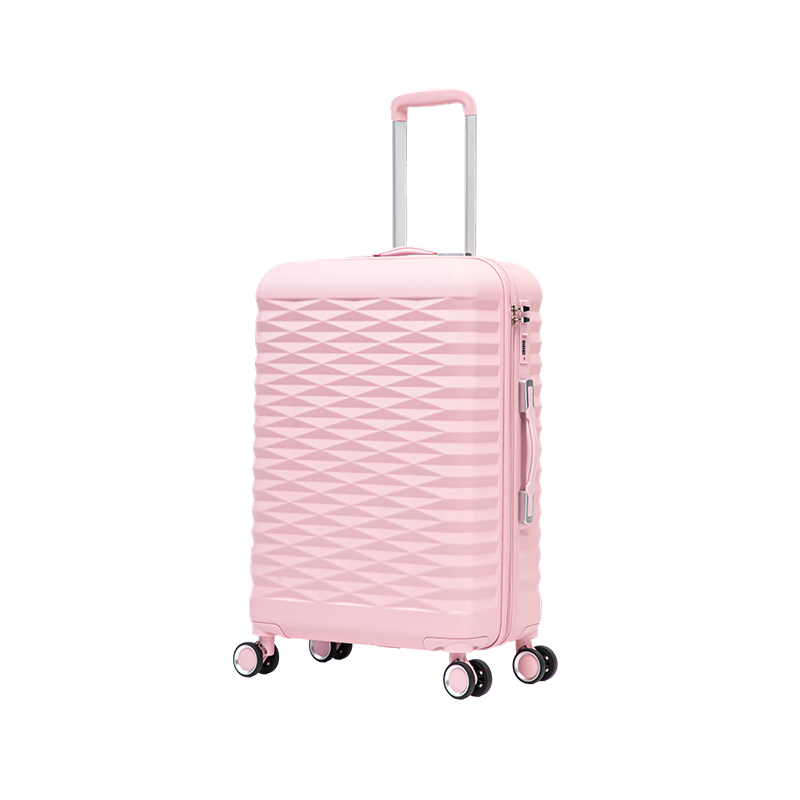
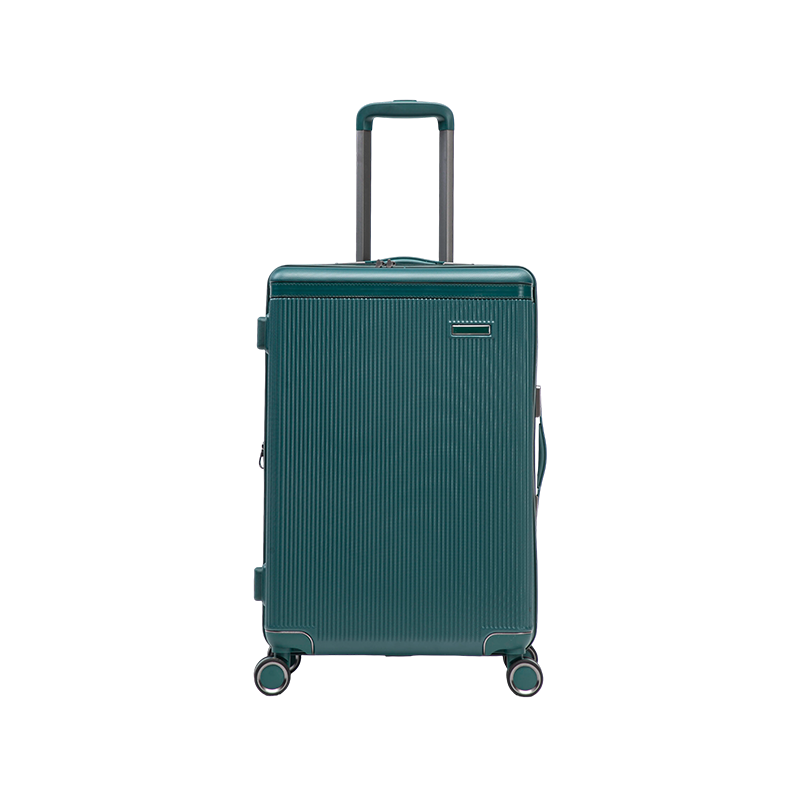
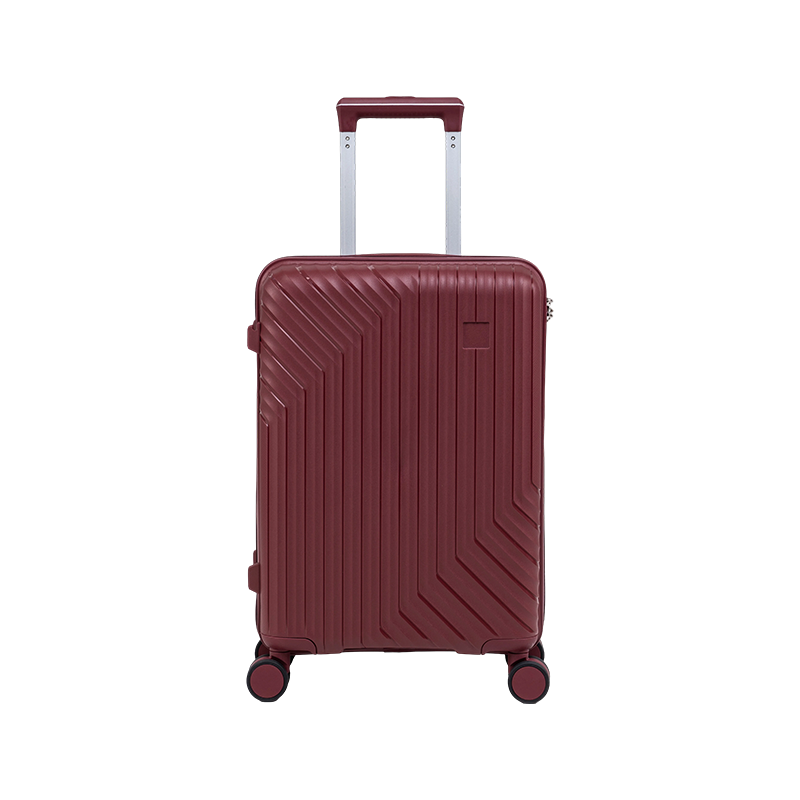
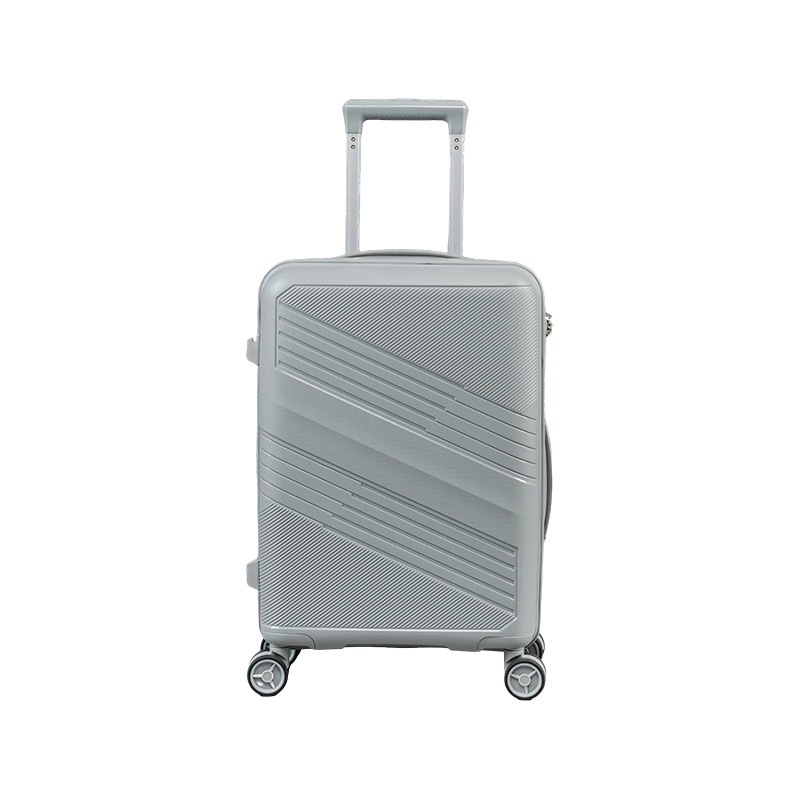
One notable feature of the EVA Fabric Luggage category is the use of a small twill pattern. Instead of relying on a completely smooth surface, manufacturers can introduce a fine texture that gives the case more visual depth. The pattern can appear differently under changing light, helping the luggage maintain a distinct appearance without depending entirely on large printed graphics.
This type of surface treatment also creates more opportunities for coordinated product collections. Retailers may compare several colors or patterns while keeping the same general case structure. For brands developing seasonal luggage ranges, a consistent texture can connect different sizes and colorways without requiring a completely new design language for every model.
Material Flexibility Influences Case Behavior
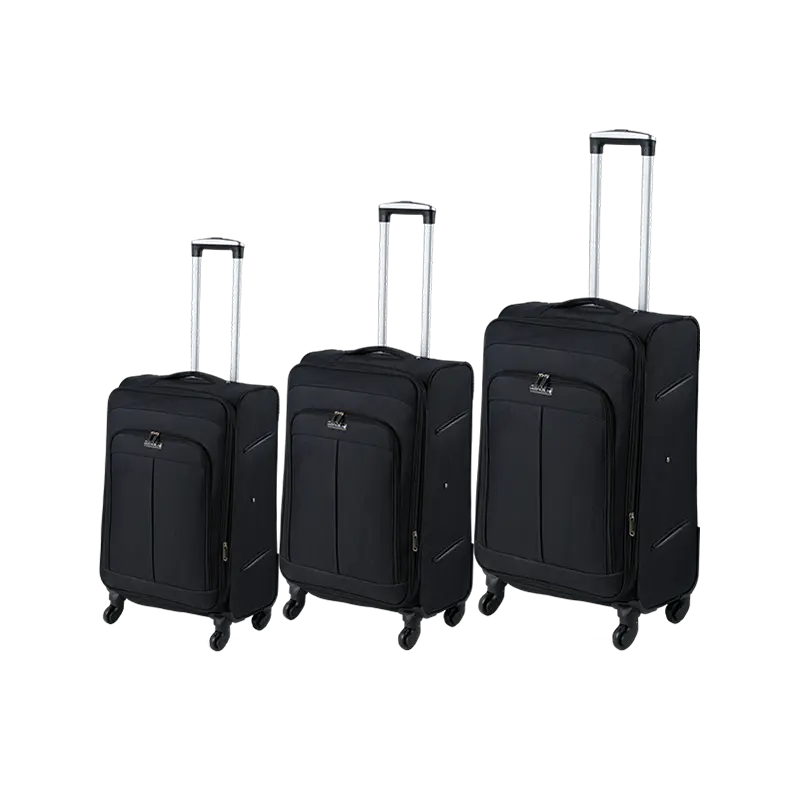
EVA, or ethylene-vinyl acetate, is known for its flexibility and elasticity. Within EVA Fabric Luggage, these properties contribute to a softer response when the case experiences moderate pressure or contact. The material can deform to a certain degree instead of behaving like a fully rigid shell.
That behavior is relevant during everyday packing and handling. A case may be pressed against other luggage in a vehicle, placed into a restricted storage area, or exposed to pressure while being moved. EVA-based construction can provide a degree of cushioning for the contents, although the actual level of protection still depends on the complete structure, internal support, and product configuration.
The balance between flexibility and support is particularly relevant for manufacturers. Too much softness may affect the case shape, while excessive reinforcement can reduce the handling characteristics that distinguish the category from hard-shell luggage.
Weight and Carrying Comfort Remain Important
Luggage buyers continue to compare overall product weight because the empty case already contributes to the weight carried during travel. EVA Fabric Luggage is designed as a relatively lightweight option, making it suitable for product lines that emphasize easier lifting and handling.
Weight is not determined by the outer material alone. The final result also depends on the size of the case, lining, hardware, wheels, telescopic handle, and internal reinforcement. Product developers therefore need to assess the complete construction rather than judging material weight in isolation.
For distributors, this creates a practical comparison point between EVA-based luggage, conventional textile cases, and rigid plastic alternatives. The suitable structure depends on the intended market, travel habits, price positioning, and the level of support expected from the case body.
Water Resistance Depends on the Complete Construction
The EVA material used in EVA Fabric Luggage provides a certain level of resistance to light moisture and daily water contact. This can be useful when luggage is exposed to light rain, damp floors, or minor surface spills during normal travel.
Water resistance should still be considered as a construction feature rather than an absolute product claim. Seams, zippers, joins, and openings can influence how moisture reaches the interior. Buyers comparing luggage collections may therefore review the outer material together with closure design and the overall case structure.
This distinction is important when developing products for different markets. A luggage line intended for occasional city travel may have different material priorities from one designed for frequent outdoor movement or changing weather conditions.
Custom Patterns Support Brand Differentiation
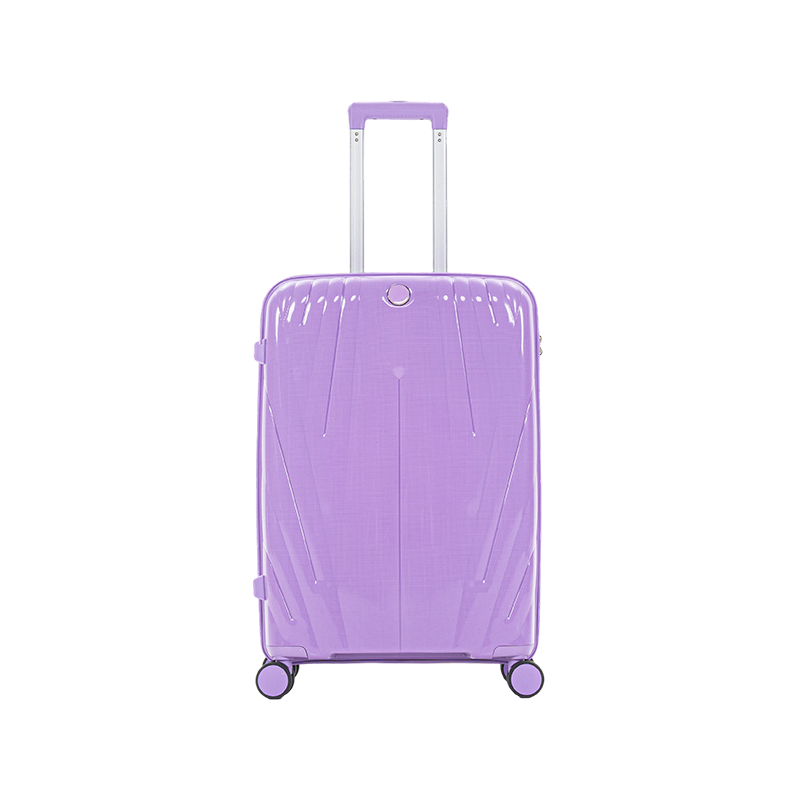
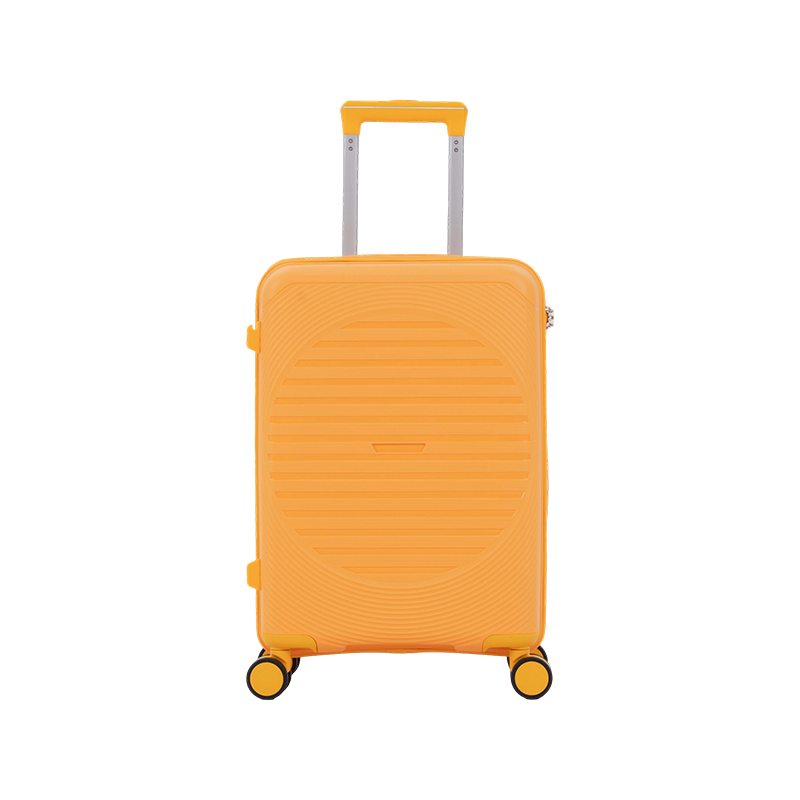
The product page indicates that color and pattern customization are available for this category. For private-label brands, EVA Fabric Luggage can therefore serve as a base for developing a recognizable visual collection rather than a single standard item.
Customization may involve selecting an outer color, adjusting the twill appearance, or coordinating several patterns across a product range. The design process still needs to consider how the selected pattern works with the case shape, hardware, lining, and other visible components. A visually strong surface is more effective when it remains consistent with the complete luggage design.
Production Coordination Shapes the Final Product
EVA luggage production involves more than selecting an outer material. Jinwangda’s luggage manufacturing process includes shell forming, hardware assembly, lining sewing, complete case assembly, and functional testing. These stages must work together because the appearance and handling of the finished luggage depend on the relationship between the outer structure and its supporting components.
The company’s product range includes several fabric luggage models, allowing the category to be developed through different sizes and design variations. For B2B buyers, the main consideration is how the selected material, surface pattern, case structure, and available customization options fit the intended product assortment. EVA Fabric Luggage is consequently becoming a design and manufacturing category in its own right, rather than simply a softer alternative to rigid luggage.
 Previous