

 English
 Français
 Español
 عربى
عربى
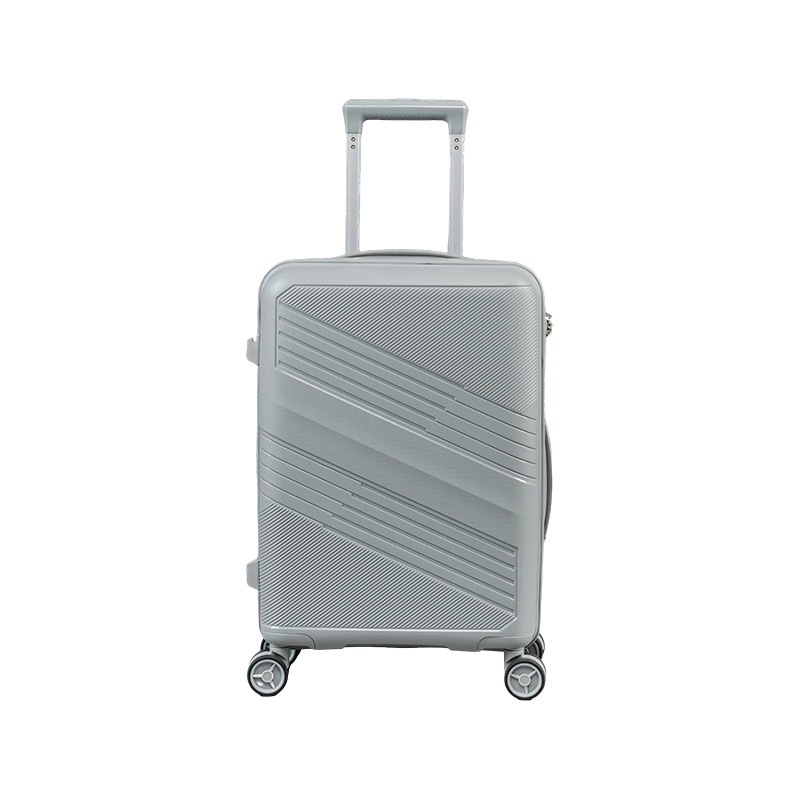
Distributors sourcing hard-shell luggage for the North American market keep raising a compliance question that rarely comes up in other export categories: is TSA-recognized lock hardware actually standard equipment on an ABS luggage set headed for this market, or does that detail still need explicit specification during the sourcing process? Buyers supplying travel retail programs increasingly find lock compliance, private-label customization, and freight packaging for nested sets shape a sourcing decision as much as shell material itself.
TSA Lock Compliance and Regional Requirements
Travel Sanitation Administration recognized locks let security personnel open a locked bag using a master key rather than cutting the lock during inspection, a detail buyers sourcing for North American retail increasingly treat as a baseline requirement rather than an optional upgrade. An ABS luggage set built with a TSA-recognized combination lock avoids the customer complaints that follow when a non-compliant lock gets cut open during a security screening, since a damaged lock and zipper pull generate a return or warranty claim that traces directly back to a supplier's hardware sourcing decision.
Regional lock requirements differ enough that a single global lock specification rarely serves every export market equally well. European and other international markets do not require TSA-specific locks, so distributors supplying multiple regions increasingly request lock hardware options matched to each destination market rather than defaulting to a single lock type across a full global order. Lock body material also draws attention alongside recognition standard, since a die-cast metal lock body holds up to repeated combination cycling considerably longer than a molded plastic housing prone to cracking after extended use.
|
Compliance Factor |
Regional Requirement |
Common Solution |
|
Lock hardware |
TSA recognition for the U.S. market |
TSA-approved combination lock |
|
Carry-on dimensions |
Airline size restrictions |
Verified against major carrier limits |
|
Material safety |
Chemical content disclosure |
REACH or similar compliance documentation |
|
Labeling |
Country-specific care instructions |
Multi-language label sets |
Private Label and Color Customization
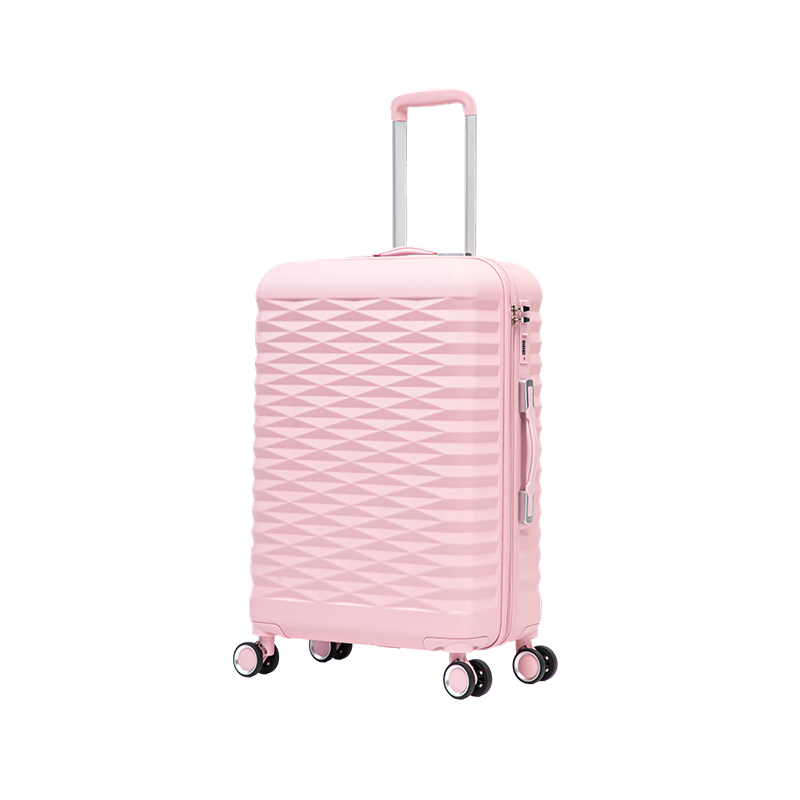
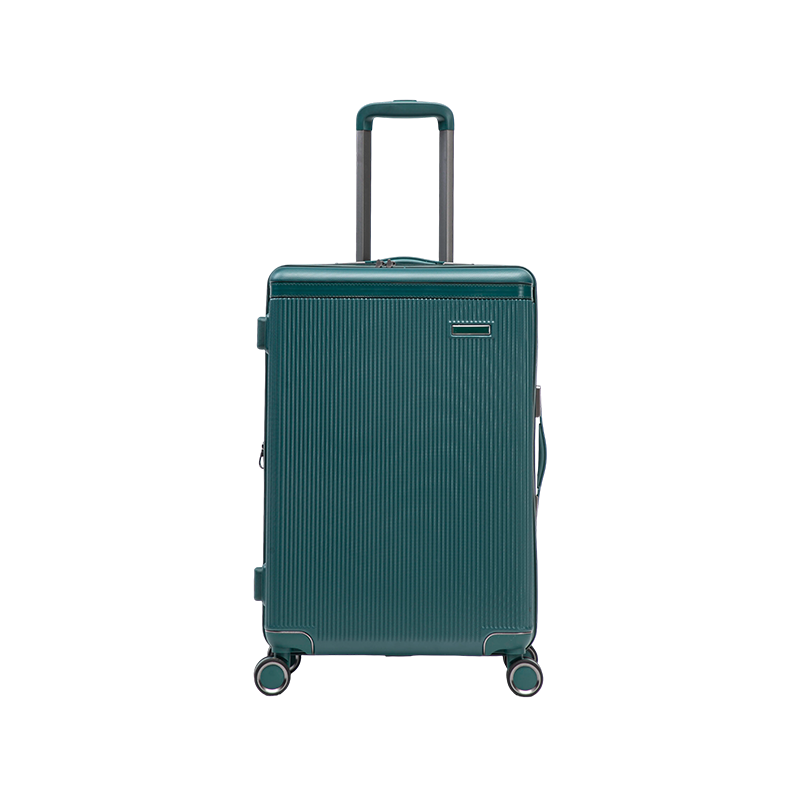
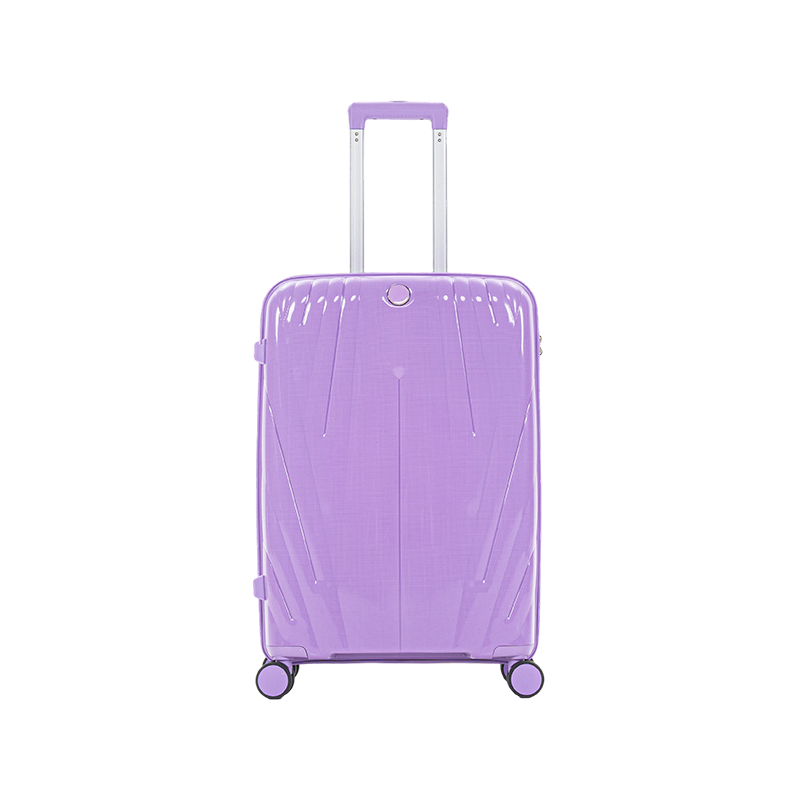
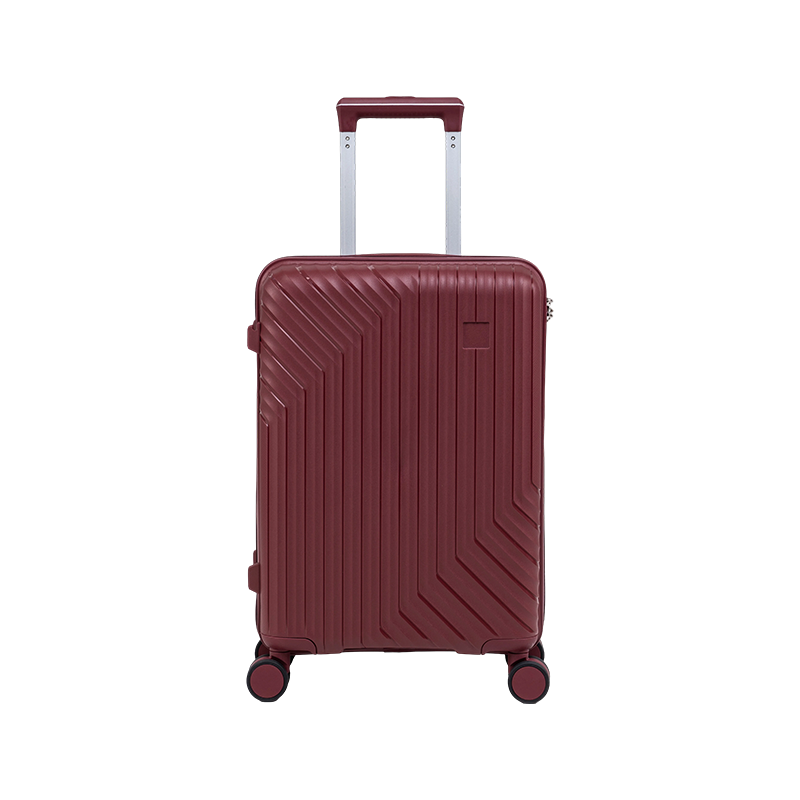
Wholesale buyers rarely stock an unbranded case, so private labeling has become a standard part of sourcing conversations for this category rather than a premium add-on. Distributors ordering an ABS luggage set for department stores or online retail programs commonly request custom zipper pulls, branded interior lining, and color-matched exterior shells tied to a retailer's house palette rather than accepting a factory's standard color range.
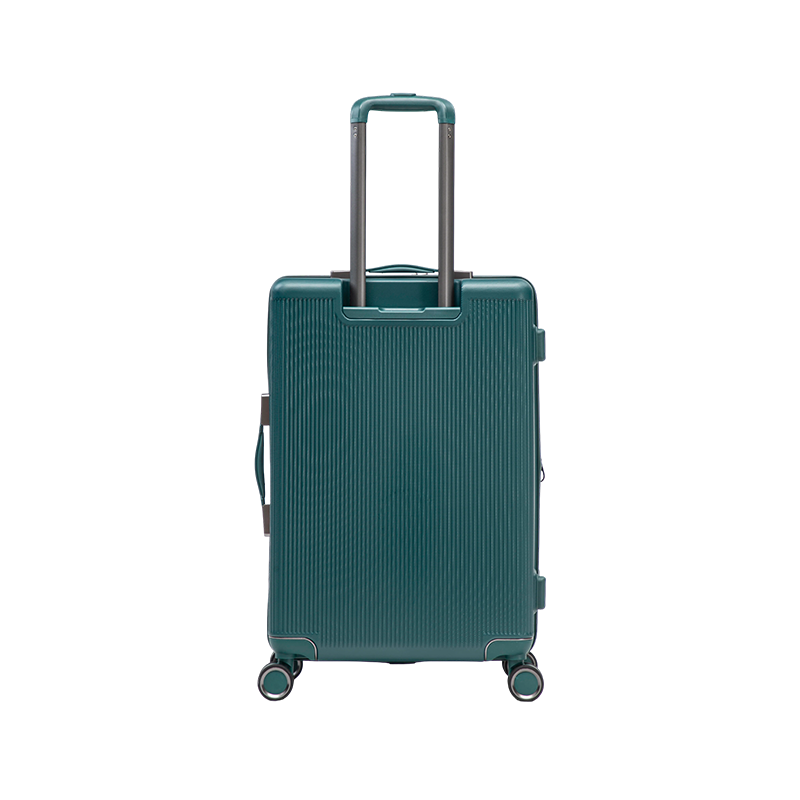
Color consistency across a three-piece nested set matters considerably for retail display, since a set where the carry-on and checked pieces show even a slight shade mismatch reads as a quality defect to a retail customer comparing pieces side by side on a showroom floor. Factories maintaining documented color formulas across production runs placed months apart reduce this mismatch risk more reliably than those matching color visually against a physical reference sample each time.
Freight Packaging for Nested Sets
Nested luggage sets present a distinct freight challenge compared to single-piece shipments, since three shells stacked inside one another concentrate weight differently than individually boxed units would. Distributors sourcing an ABS luggage set in bulk increasingly request interior protective padding between nested shells, since shell-to-shell contact during transit sometimes scuffs or scratches an exterior finish even when the outer packaging itself arrives undamaged.
Corner protection deserves equal attention on the outermost packaging layer, since the largest piece in a nested set absorbs handling impact on behalf of the smaller pieces stacked inside it, making that outer shell's corner reinforcement a freight-damage factor affecting the entire set rather than a single piece.
Warranty Terms and Wheel Hardware Coverage
Warranty length on wheel and handle hardware increasingly signals a supplier's confidence in component quality more clearly than a general product warranty statement. Buyers comparing suppliers for a hardside luggage program increasingly request warranty terms broken out by component, since a supplier offering full coverage on the shell but limited coverage on wheels and zippers may be signaling less confidence in those specific components than the marketing materials suggest. Distributors placing large recurring orders increasingly negotiate warranty terms directly into the supplier agreement rather than relying solely on the standard terms printed on a retail packaging insert.
Sourcing Verification Across Markets
Jinwangda documents TSA lock compliance options, color formula consistency across production runs, and nested-set packaging protocols for its ABS luggage set lineup, giving distributors a sourcing reference matched to the specific regional and retail requirements a program needs to satisfy.
 Previous