

 English
 Français
 Español
 عربى
عربى
Suitcase shells destined for global airline traffic are not produced under one uniform standard, and that variation shapes how luggage PP material performs once a case leaves the factory and enters actual cargo handling conditions across different climates and airport infrastructure.
Raw Material Sourcing Patterns Across Regions
Polypropylene resin quality varies by supplier, and factories producing PP luggage shells for export markets often source resin with tighter melt flow index specifications than factories supplying only domestic budget lines. Where does this distinction matter most? Export-grade shells destined for international airline routes typically need to withstand a wider temperature range and rougher handling standards than luggage sold for occasional local travel, pushing manufacturers toward resin blends formulated specifically for impact resistance rather than pure cost efficiency.
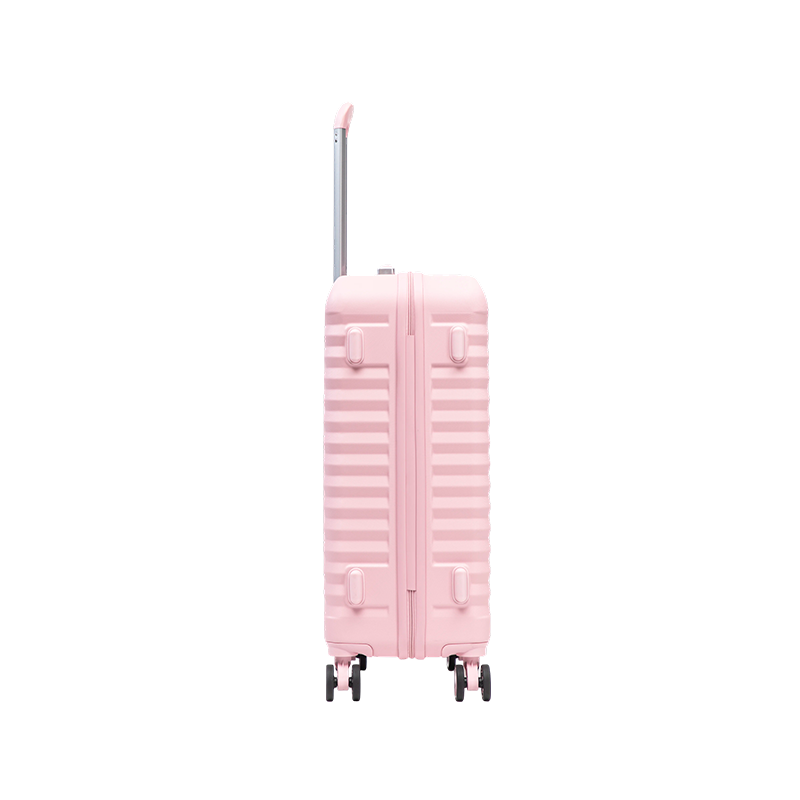
Regional resin suppliers also differ in how consistently they deliver batch-to-batch quality. Which factors cause this inconsistency? Feedstock variation and additive blending precision both affect how uniform a resin batch turns out, and luggage PP material made from an inconsistent resin supply shows wider performance variation across otherwise identical product lines, something quality engineers track closely when qualifying new suppliers.
Manufacturing Hubs And Climate-Driven Specifications
Factories located in regions with seasonal temperature swings tend to build additional cold-weather brittleness testing into their standard quality process, since local shipping and warehouse conditions already expose finished cases to temperature extremes before they even reach a customer. Who typically drives this extra testing requirement? Export customers based in colder climates, since airlines and distributors serving northern routes have learned through field returns that a case validated only against moderate climate testing may crack prematurely once deployed in genuinely cold cargo environments.
Humidity presents a different challenge entirely. Luggage PP material does not absorb moisture the way some other plastics do, but tooling and mold maintenance in high-humidity manufacturing regions require closer attention, since moisture contamination in resin pellets before molding can create surface defects that weaken the finished shell. Factories in humid coastal manufacturing zones typically run resin drying protocols before injection molding specifically to prevent this issue.
Testing Standards Applied By Region
Toughness claims mean little without a testing standard behind them, and different regions apply different baseline requirements to PP luggage production. Impact testing at low temperatures, often simulating cargo hold conditions during winter flights, has become a differentiator between factories supplying budget domestic markets and those supplying international airline-grade luggage lines. Which test conditions reveal the biggest performance gaps between suppliers? Repeated drop cycles combined with pre-chilled samples tend to expose weaknesses that room-temperature testing alone would miss entirely, since brittleness at low temperature is where many lower-grade luggage PP material formulations fail first.
Corner and wheel housing durability testing also varies in rigor. Some manufacturing regions have adopted rotational drum testing, where finished cases tumble continuously inside a drum to simulate months of handling compressed into a shorter test window. Where has this testing method become common? Facilities supplying luggage to international distributors that require documented durability data before placing large orders, since drum testing produces a cycle count figure that buyers can compare directly across competing factories.
Supply Chain Proximity To Component Suppliers
Wheel assemblies, telescoping handle systems, and zipper components typically come from separate suppliers from the shell manufacturer itself, and proximity between these supply chains affects overall build quality. Factories clustered near component suppliers can coordinate fitting tolerances more closely, reducing the gap-related stress points that often become the failure location on an otherwise well-built luggage PP material shell. Regions with mature luggage manufacturing clusters tend to show this coordination advantage clearly, since shell producers and hardware suppliers in these zones have typically worked together across many production cycles, refining fit tolerances that newer or more geographically scattered supply chains have not yet had the chance to develop.
 Previous