

 English
 Français
 Español
 عربى
عربى
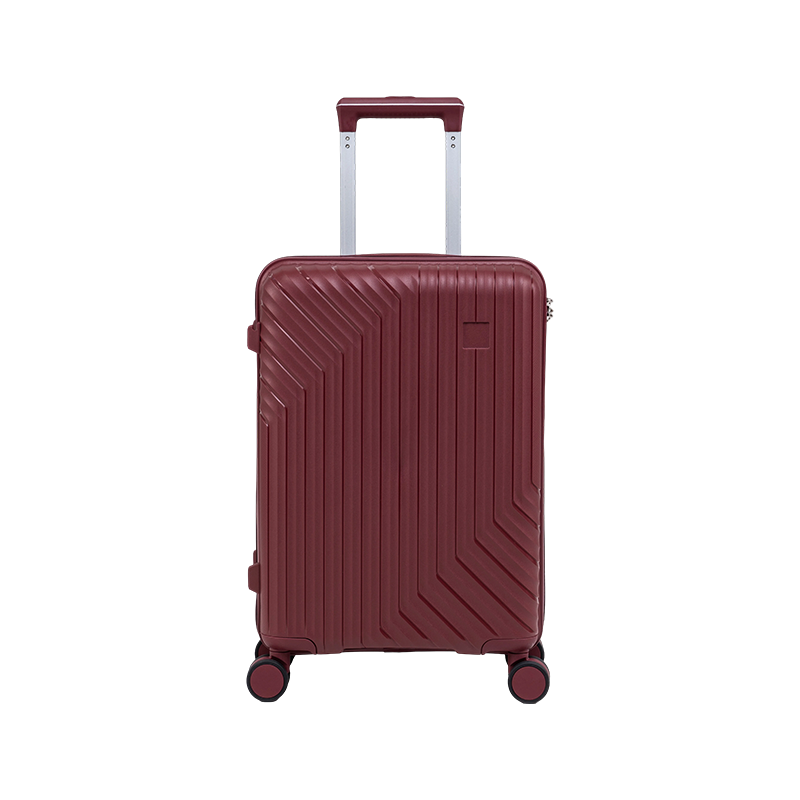
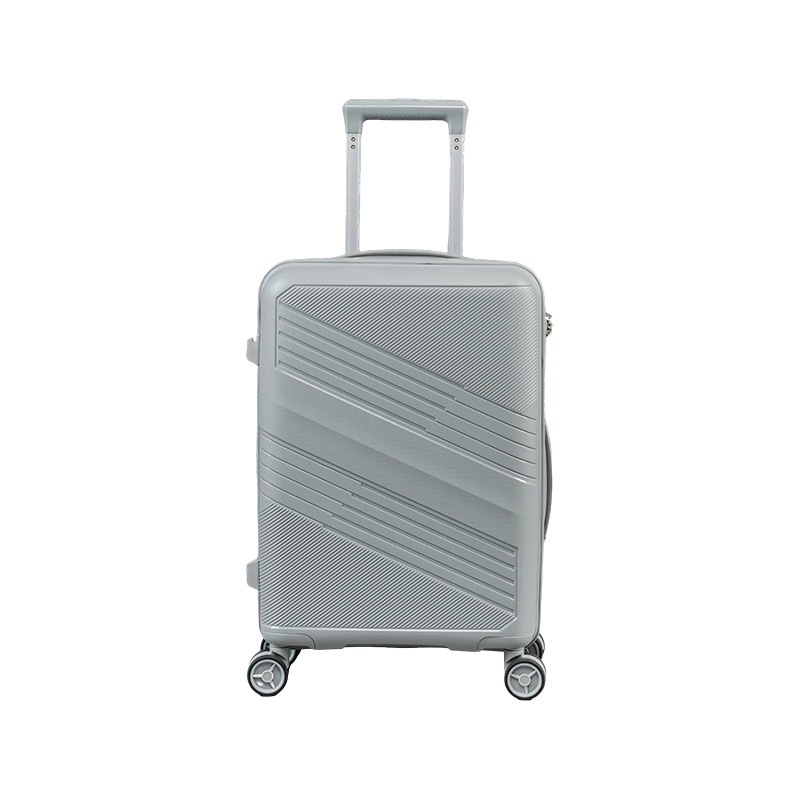
Airlines set a maximum weight for cabin baggage, and that limit applies to the empty case just as much as to what gets packed inside it, which is exactly where ABS carry on luggage earns its advantage. ABS carry on luggage starts from a lighter shell than polycarbonate or aluminum-magnesium alloy cases of the same size, which means more of that weight allowance is left over for clothes, electronics and everything else a traveler actually wants to bring rather than for the case itself.
Why the shell material sets the weight budget
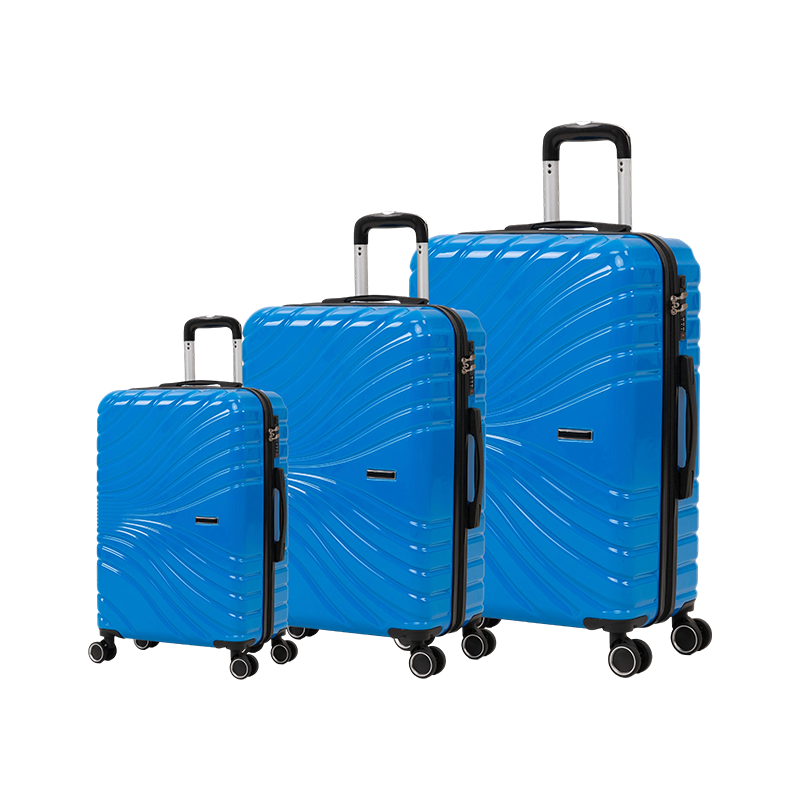
ABS, short for Acrylonitrile Butadiene Styrene, has a lower density than the polycarbonate and aluminum-magnesium alloy commonly used for competing hard shell case designs. A hard shell case built from ABS carries less structural weight in its walls and corners before a single item goes inside it, so the traveler's actual weight budget for packed contents grows simply because the shell itself takes up less of the airline's total allowance. This matters especially for ABS carry on luggage, since cabin weight limits tend to run tighter than checked baggage allowances, leaving less margin to spare on the case itself.
This weight advantage does come with a trade-off worth understanding rather than glossing over. ABS sits below polycarbonate on flexibility, meaning it resists impact well but can crack under a hard enough blow rather than flexing and returning to shape the way polycarbonate does. For a carry-on case, which travels in the cabin rather than the cargo hold and rarely absorbs the same rough handling checked luggage sees, this trade-off tends to favor ABS: the case gets less abuse in transit, so the lighter, harder shell suits the job without the added weight polycarbonate's flexibility would bring.
Fitting the size rule without adding shell weight
Cabin size restrictions are the second constraint ABS carry on luggage has to satisfy alongside weight, and a rigid shell handles this requirement differently than a soft-sided bag does, since the shell itself sets the outer boundary. Because ABS does not flex or expand under packing pressure the way fabric luggage can, the case holds a fixed, predictable outer dimension regardless of how full it gets. A soft-sided bag stuffed past its intended capacity can bulge beyond an airline's stated size limit at the gate; a rigid hard shell case built to the correct dimensions from the start stays within that limit whether it is packed lightly or to capacity.
This predictability matters for frequent travelers moving through gate-side sizing checks, where a case that measures correctly on paper but bulges in practice risks getting flagged for a gate-check fee. ABS carry on luggage built to a fixed external shape removes that uncertainty, since the shell's rigidity is exactly what keeps the outer dimensions from shifting under normal packing.
Wheels, handles and the parts that wear fastest
A carry-on case gets pulled, lifted onto overhead bins and dragged through more terminals per trip than a checked bag typically sees, and the wheels and handle absorb the greater share of that repeated use. Spinner wheel systems, offering four-directional movement, suit the smooth flooring found in airports and hotels, letting a traveler push the case beside them rather than pulling it behind at an angle. A telescopic handle that extends and retracts smoothly reduces strain on the wrist during the frequent adjustments a day of travel through several terminals demands.
ABS carry on luggage built with durable polyurethane or rubber wheels holds up to this repeated rolling motion better than a lower-grade wheel material, since the wheels see continuous contact with terminal flooring, escalators and jet bridges across every trip the case makes. A trolley case with a smooth-rolling wheel system and a handle that locks securely at each extended position reduces the physical toll of a long connection or a rushed gate change, on ABS carry on luggage and heavier cases alike.
Locks and everyday upkeep
TSA-approved combination locks are now standard on much cabin luggage, and a hard shell case makes tampering more difficult than a soft-sided bag does simply because the rigid shell resists prying at the seams. Beyond security, the smooth ABS surface wipes clean with a damp cloth, which matters for a case that gets set on airport floors, luggage carts and hotel lobby carpets across a single trip.
Buyers sourcing ABS carry on luggage for retail or private label programs can specify wheel type, handle mechanism and lock style alongside the shell material itself, since these components on any ABS carry on luggage line see as much daily wear as the shell does. A trolley case built with a well-matched shell, wheel and handle combination gives a traveler a lighter case that still holds up to the repeated handling a cabin bag sees trip after trip.
 Previous