

 English
 Français
 Español
 عربى
عربى
PC Luggage is increasingly chosen by travelers for its combination of durability, lightweight design, and visual appeal. Compared with other luggage materials such as ABS, polypropylene, and aluminum, polycarbonate offers a balanced solution that addresses both protection and convenience. Understanding the differences between these materials can help travelers select suitable luggage for their travel habits and needs.

Polycarbonate Overview
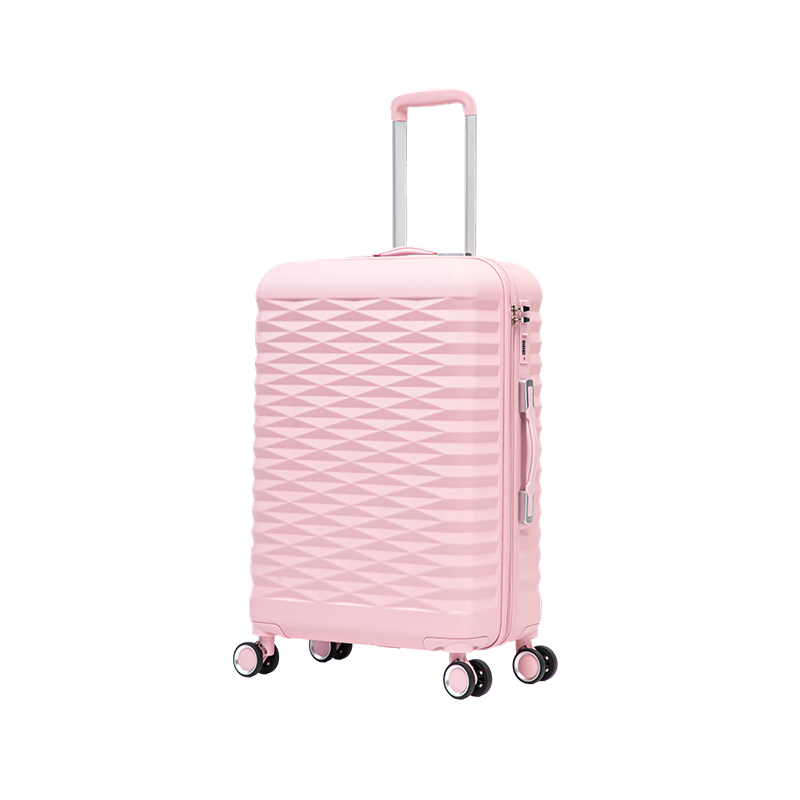
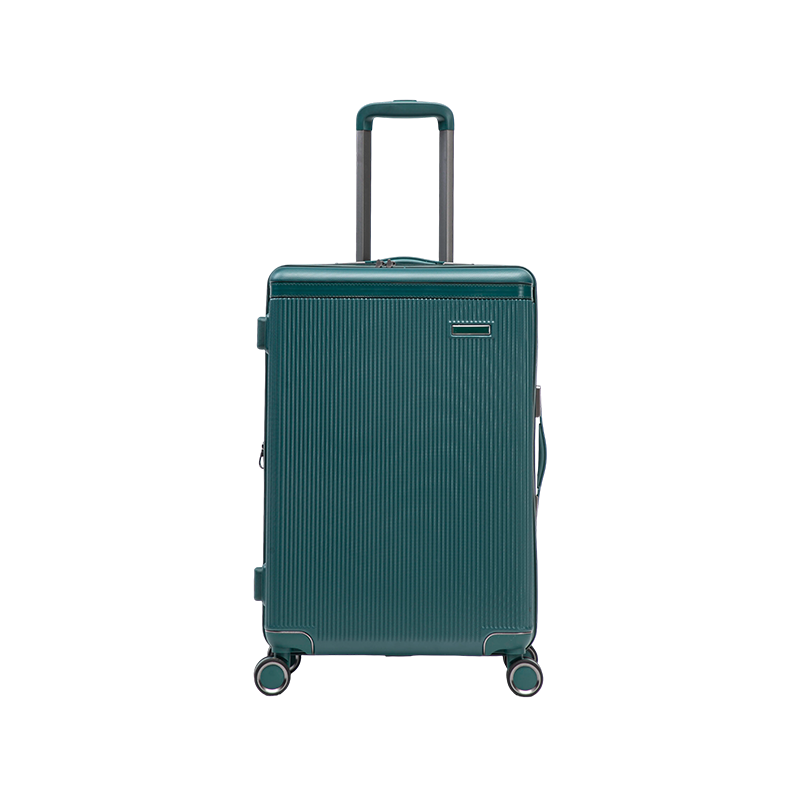
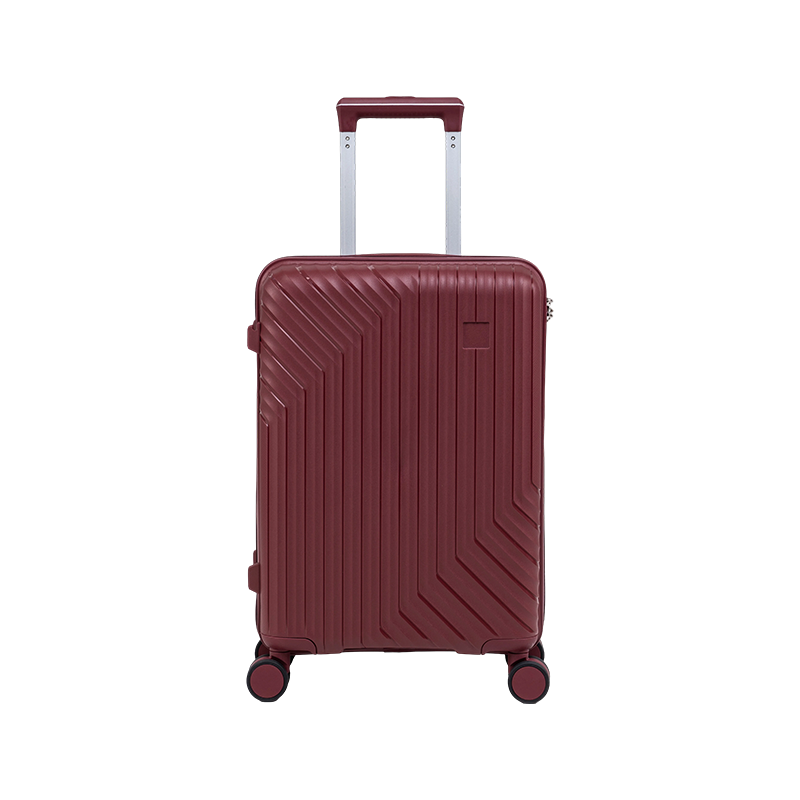
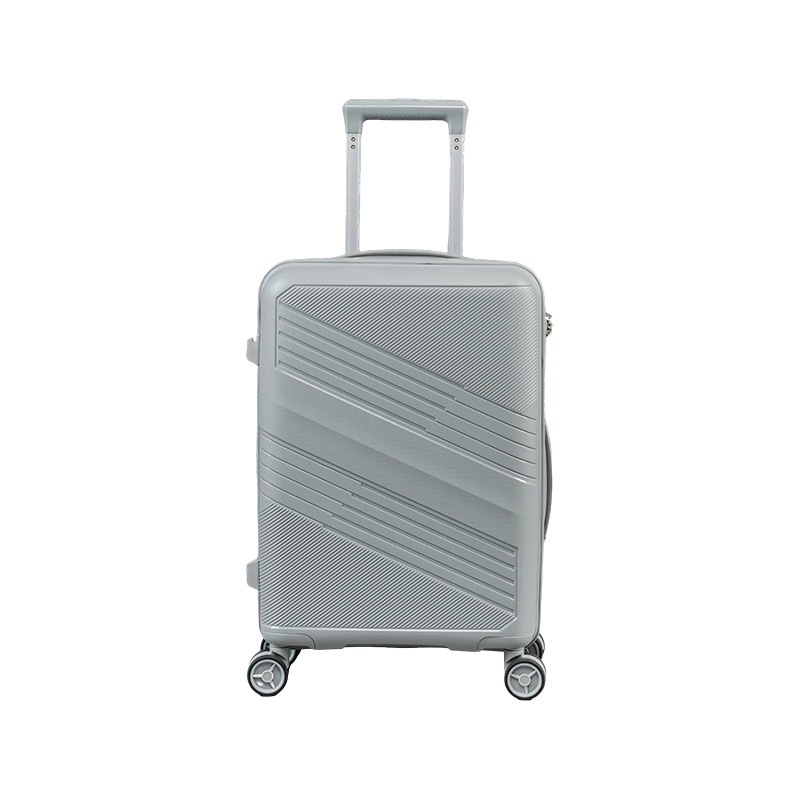
Polycarbonate is a synthetic plastic known for its resilience and flexibility. PC luggage features a hard shell that absorbs impacts without cracking while remaining relatively light for easier handling. Its glossy finish enhances appearance, and the material can handle rough handling during transport without compromising internal protection. PC is versatile and suitable for both short and long-distance trips.
Comparison with ABS
ABS luggage is generally lighter and less expensive than polycarbonate, which makes it appealing for travelers with occasional trips or budget considerations. However, ABS is more rigid and can crack under heavy impacts. Polycarbonate’s flexibility allows it to bend slightly and recover its shape, providing better protection for fragile items. While ABS may suffice for low-frequency travel, PC offers greater confidence and durability for frequent journeys.
Comparison with Polypropylene
Polypropylene luggage is extremely lightweight and offers reasonable impact resistance. It is convenient for travelers who carry minimal items or go on short trips. However, its protective capacity for fragile or heavy items is generally lower than that of PC luggage. Polycarbonate balances protection and weight, making it suitable for travelers seeking versatility and reliable safeguarding of belongings.
Comparison with Aluminum
Aluminum luggage provides strong protection against heavy impacts and external pressure. While highly durable, aluminum is heavier than polycarbonate and can dent more easily, which may affect the suitcase’s appearance. Additionally, aluminum lacks the slight flexibility that helps PC absorb shocks. Travelers who prefer a combination of lightweight, resilience, and practical usability often select PC over aluminum for routine travel.
Travel Convenience and Handling
Polycarbonate’s manageable weight and smooth surface make it easy to roll through airports, stations, or city streets. Reinforced wheels and sturdy telescopic handles enhance mobility, while the hard shell ensures protection for personal items. Unlike aluminum, which can be heavier and less forgiving, PC luggage provides a balance of protection and ease of use, making it ideal for everyday travel.
Practical Tips for Material Selection
Travelers should consider trip frequency, luggage weight, type of items carried, and the likelihood of rough handling. Polycarbonate offers a combination of durability, style, and portability. ABS may suit casual or budget-conscious travelers, polypropylene works for extremely light packing, and aluminum serves those prioritizing impact resistance. Evaluating the advantages and limitations of each material helps make an informed decision.
PC luggage stands out as a versatile and reliable option among luggage materials. Its combination of flexibility, impact resistance, and lightweight design ensures protection for belongings while maintaining ease of handling. By understanding how PC compares with ABS, polypropylene, and aluminum, travelers can make informed choices and select luggage that meets their practical needs while offering a stylish and functional travel companion. Polycarbonate luggage continues to be a popular choice for those seeking both convenience and reliability across various travel scenarios.
 Previous