

 English
 Français
 Español
 عربى

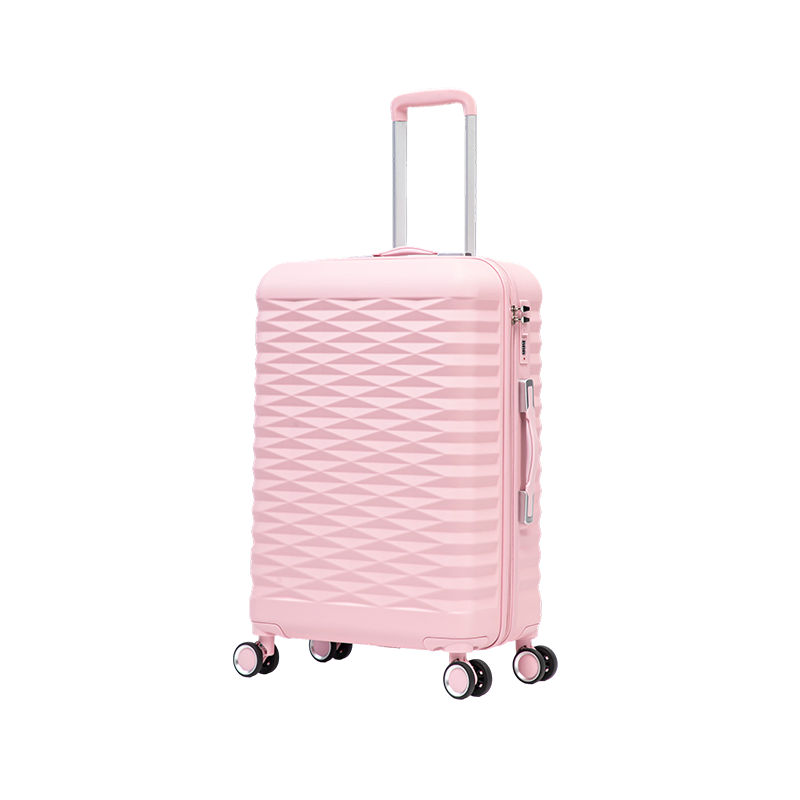
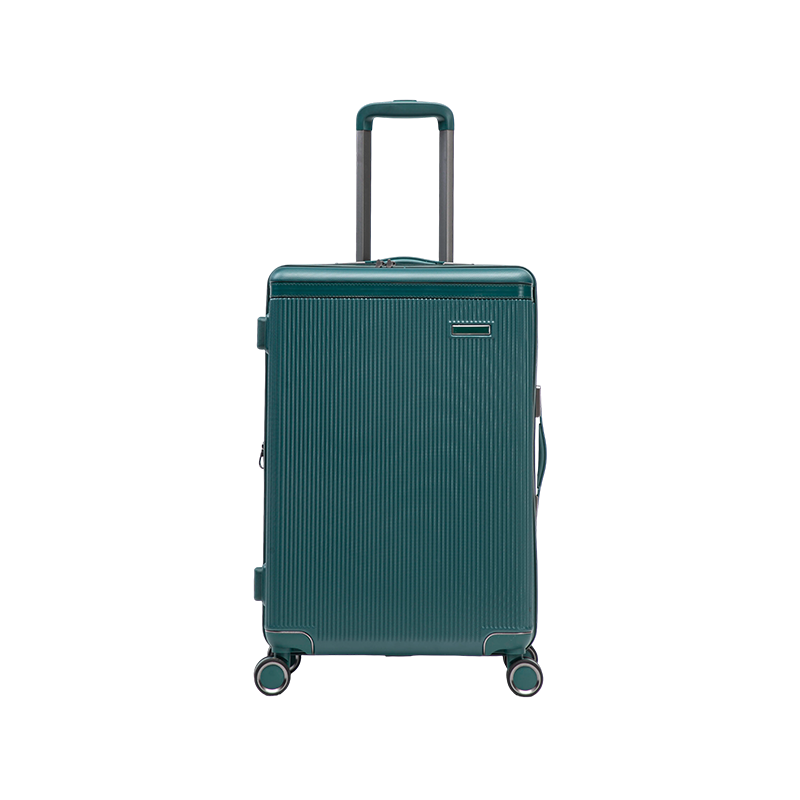
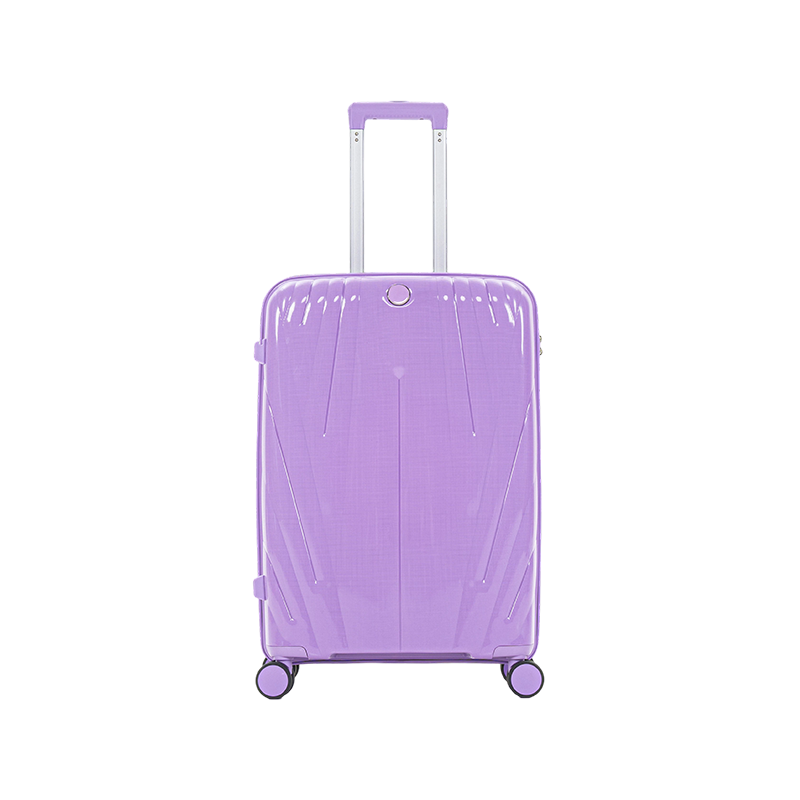
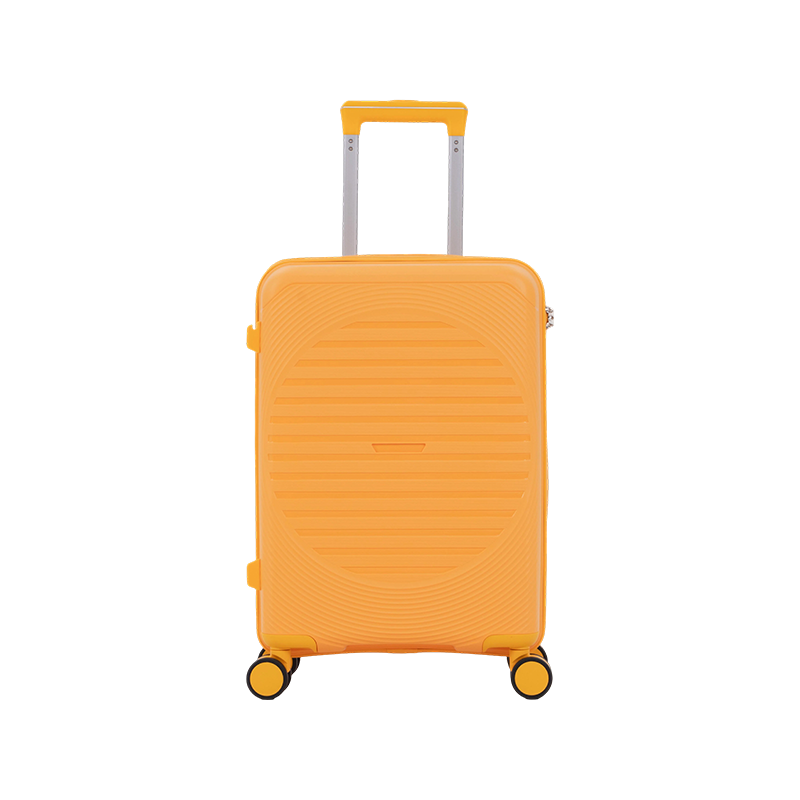
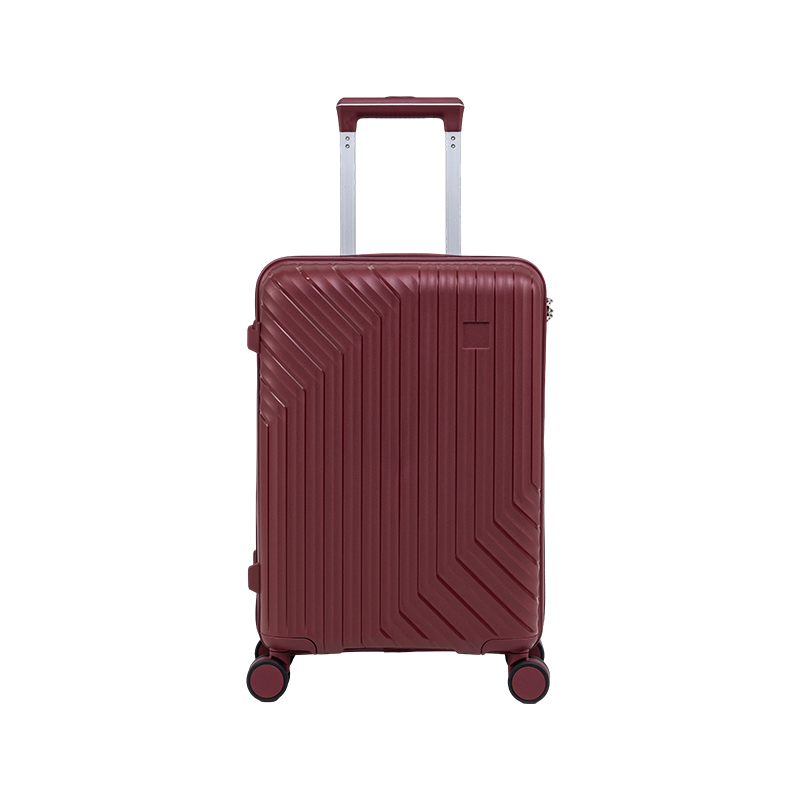
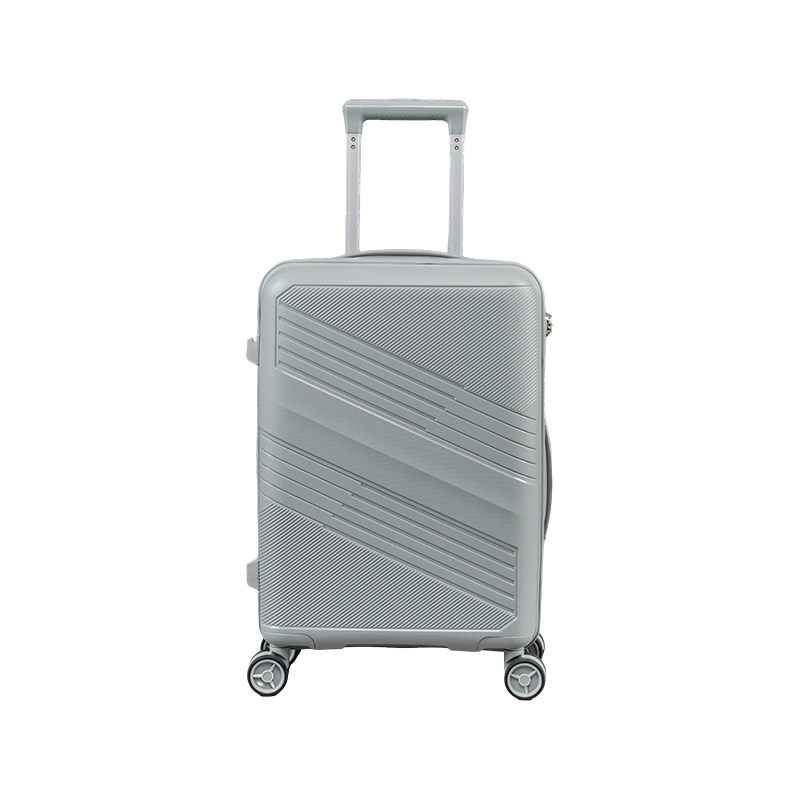
PP Spinner Luggage moves on four wheels that each carry a share of the load, so the shell around the wheels matters as much as the wheels themselves. Ruian Jinwangda Bags & Leather Goods Co., Ltd. in Rui'an, Wenzhou makes polypropylene hard-shell cases in the PP-801 to PP-809 series, along with the PP-812, PP15 and PP16, and the choice of polypropylene shapes how that load is carried from the airport walk to the hotel corridor.
A Light Shell Lowers What Each Wheel Carries
Polypropylene has a density of 0.9 to 0.91 g/cm³, lighter than ABS. On a spinner case, the weight of the empty shell rests directly on the wheel housings, so a lighter shell leaves more of the carrying capacity for the traveller's belongings and asks less of each housing and axle. A PP Spinner Luggage case spends much of its working life rolling, and the weight borne by each wheel at every step adds up over a long trip with many transfers. The lower dead weight also reduces the effort needed to push or steer a packed case across a terminal floor, which is why polypropylene suits long walks and frequent handling.
Corners at Wheel Level Take the Knocks

Spinner wheels sit at the lower corners of the case, where curbs, escalator edges, door frames and the sides of other bags make contact. A brittle shell can crack at such a corner, and a crack beside a wheel housing disturbs the alignment of the wheel, so the case starts to pull to one side. Polypropylene is a flexible plastic that absorbs pressure without cracking and recovers its shape after a moderate impact. The shock is taken by the shell wall before it reaches the wheel mounting, which is why a PP Spinner Luggage shell tolerates handling that would test a stiffer material. On a PP Spinner Luggage case, rounded corners spread the same impact over a wider area of wall, and the semi-crystalline structure of polypropylene lets the wall flex and return instead of fracturing.
Rolling Surfaces Range From Terminals to Cobblestones
Four wheels rotating through 360 degrees let a case travel alongside the traveller without tilting, which suits terminals, train stations and hotel lobbies with smooth floors. On cobbled streets or gravel forecourts, a traditional case with two fixed wheels is often steadier, and a spinner relies more on the wheel tread and on how firmly the wheel housing is mounted in the shell. Polyurethane and rubber treads improve durability and keep rolling quiet, and the tread material is a normal part of how a spinner case is specified.
A PP Spinner Luggage model sits at the smooth-floor end of that range by design. Its flexible shell and light weight are matched to long stretches of indoor travel, and the same material copes with the bumps at door thresholds, lift gaps and curb edges that every route includes.
Cleaning After the Journey
Wheels and the lower shell pick up whatever lies on the route, from wet pavement and street grime to grease on a kitchen floor or a spilled drink in a station. Polypropylene resists acids, alkalis and grease, and common solvents do not dissolve it easily, so splashes on the shell and around the wheel wells wipe away with a damp cloth. The smooth surface of the shell leaves little for dirt to cling to, and dried debris around a wheel can be brushed off before it grinds into the housing. A PP Spinner Luggage case therefore comes back from a wet or dirty route with a shell that cleans quickly, and the wheels keep turning freely because the housings stay clear.
Recycling and the Shell's Second Life
Polypropylene can be recycled, and some grades degrade under certain conditions, which fits the environmental awareness now common in travel product design. A hard shell that stays intact through many trips also delays the point where it has to be replaced. When a PP Spinner Luggage case does reach the end of its service life, the single-material shell is easier to sort for recycling than a shell combined from several plastics, and that is a practical advantage for the material alongside its light weight and flexibility.
 Previous