

 English
 Français
 Español
 عربى
عربى
Wholesale luggage buyers comparing hard-shell suitcase suppliers keep circling back to a practical material question: what actually separates an ABS luggage set that survives years of airline handling from one that cracks along the shell after a handful of trips? Distributors supplying travel retail and department store programs increasingly trace the answer to shell thickness, hinge construction, and the balance a factory strikes between impact resistance and the total weight buyers now scrutinize as closely as durability itself.
ABS Material Properties and Shell Thickness
Acrylonitrile butadiene styrene offers a practical balance of impact resistance and manufacturing cost that has made it a mainstay material across the mid-market hard-shell luggage segment. An ABS luggage set molded with adequate shell thickness absorbs impact from drops and rough baggage handling by flexing slightly and returning to shape, rather than shattering the way a thinner, cost-reduced shell tends to under the same stress. Shell thickness below a certain threshold saves material cost per unit but raises crack rates significantly once a suitcase enters airline baggage handling systems, where impact forces routinely exceed what careful consumer handling alone would ever produce.
Some manufacturers blend ABS with polycarbonate to combine the cost advantage of ABS with the added flexibility polycarbonate contributes, producing a hybrid shell that resists cracking better than pure ABS while remaining lighter and less expensive than pure polycarbonate construction. Buyers sourcing an ABS luggage set for premium retail placement increasingly request this blended shell formulation, while budget-focused programs continue favoring pure ABS construction to hit a target price point.
|
Shell Factor |
Buyer Concern |
Common Standard |
|
Shell thickness |
Crack resistance vs. weight |
2.0mm to 3.0mm molded thickness |
|
Material blend |
Impact flex vs. cost |
Pure ABS or ABS-PC blend |
|
Hinge design |
Corner and edge durability |
Reinforced molded hinge points |
|
Zipper track |
Long-term seal integrity |
Double-track, reinforced stitching |
Hinge and Corner Reinforcement
Corners and hinge points absorb concentrated impact more consistently than flat panel surfaces on a hard-shell case, since baggage handling routinely drops or drags a suitcase along its edges rather than its broad sides. An ABS luggage set built with reinforced corner guards and thickened hinge sections resists the chipping and cracking that concentrated corner impacts produce over repeated handling, and buyers auditing new suppliers increasingly request corner-drop test data specific to these reinforced zones rather than a general shell durability claim covering the case as a whole.
Zipper track integrity ties closely to hinge durability, since a case that flexes excessively at a weak hinge point places uneven stress on the zipper track running along the case perimeter, gradually working the zipper teeth loose in ways that eventually compromise the closure seal entirely.
Wheel and Handle Mechanism Quality
Spinner wheel systems have become close to a standard expectation across this category, replacing the fixed two-wheel design that required tilting and dragging a case rather than rolling it upright in every direction. A spinner luggage wheel assembly needs a durable axle and bearing setup, since a wheel that wobbles or seizes after moderate use generates return complaints distributors trace directly back to a supplier's wheel hardware sourcing rather than the shell material itself.
Telescoping handle mechanisms face similar scrutiny, since a handle that sticks partway through extension or retraction frustrates travelers moving quickly through an airport, and buyers increasingly request cycle-testing data confirming a handle mechanism performs reliably across thousands of extension cycles before it ships as part of a bulk order.
Set Configuration and Nesting Sizes
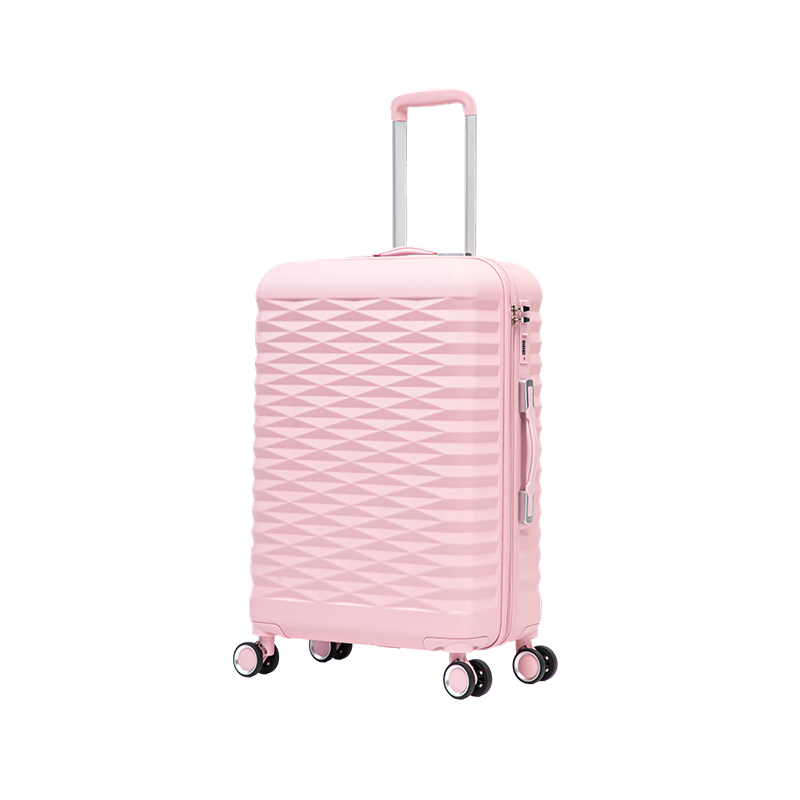
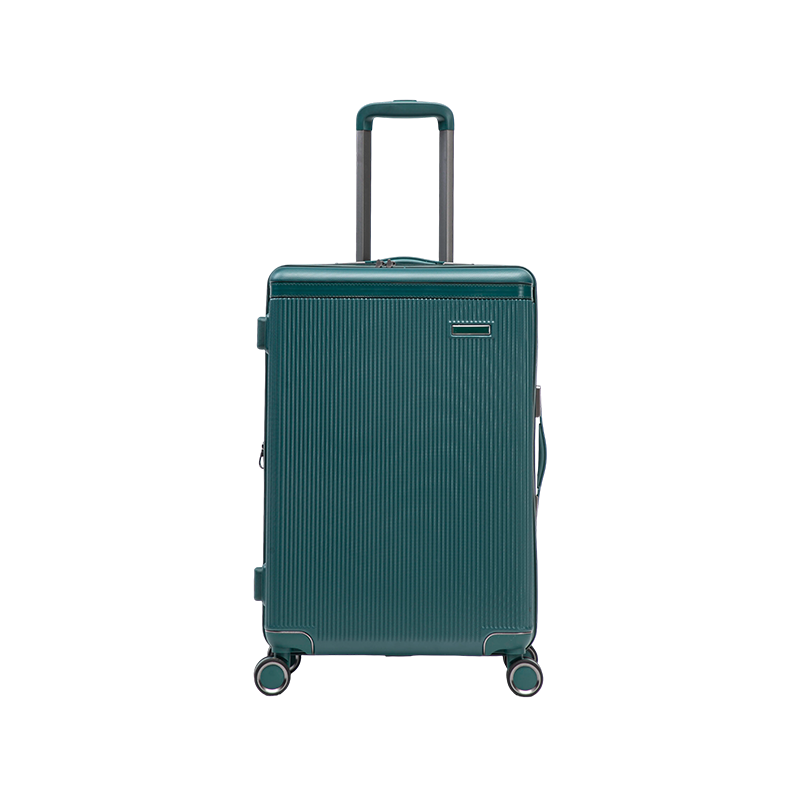
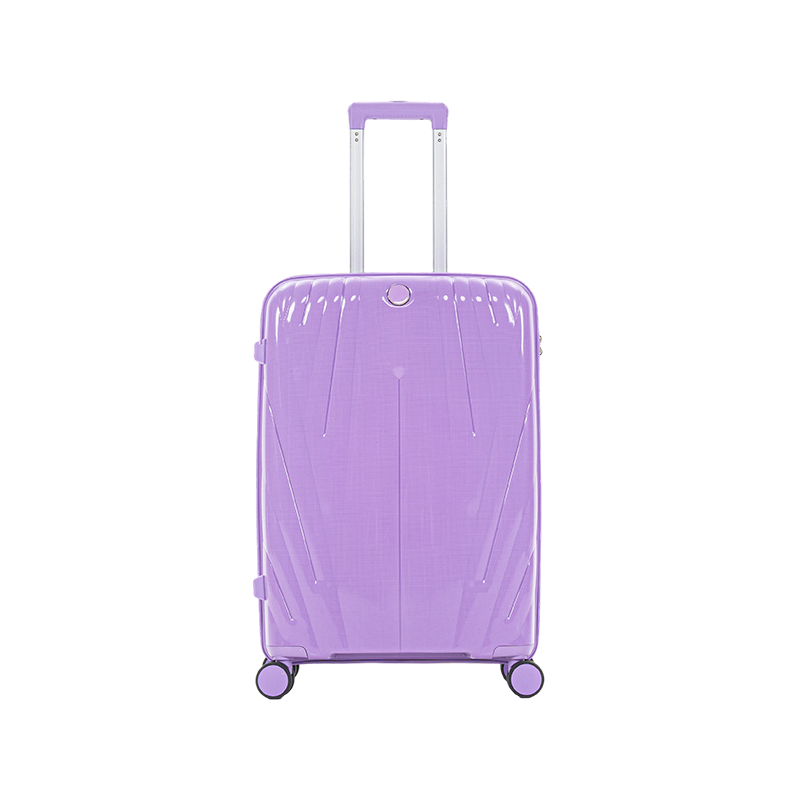
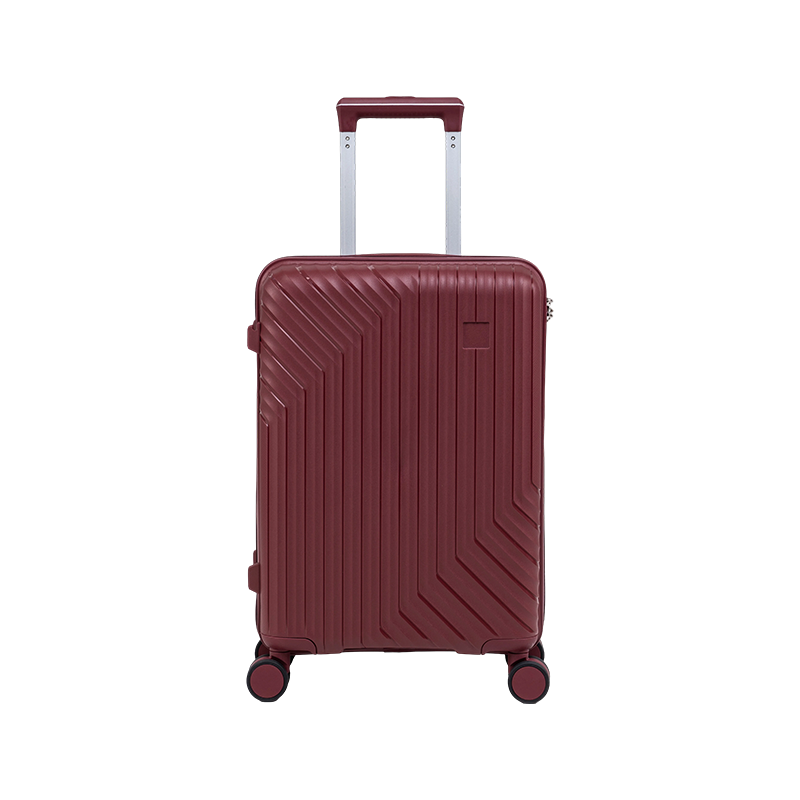
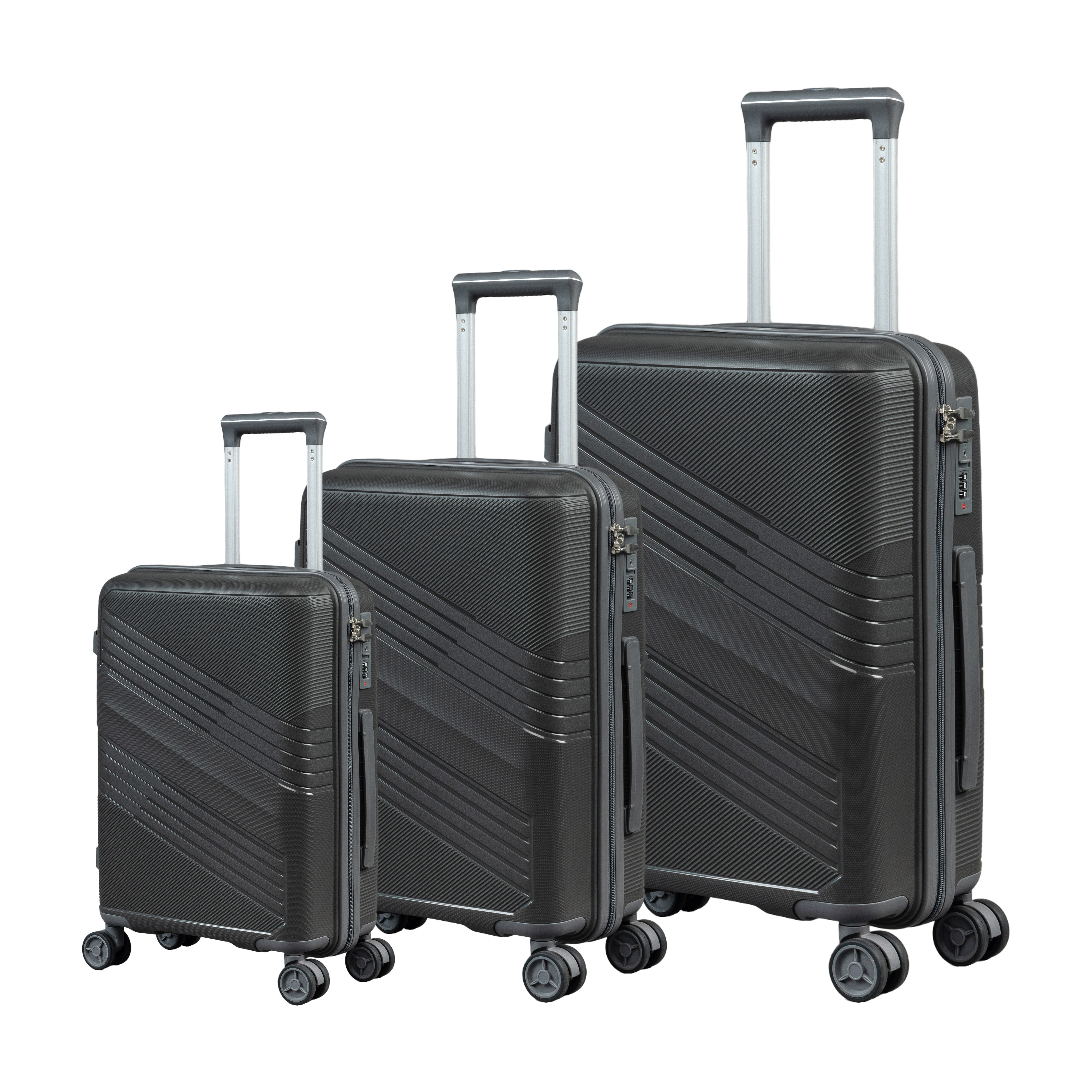
A typical ABS luggage set ships as three nesting pieces sized for carry-on, medium checked, and large checked baggage, and dimensional consistency across these three sizes matters for retail display as much as for functional nesting during storage. Distributors increasingly verify that a set's carry-on piece meets current airline size restrictions, since carry-on compliance has become a purchase driver buyers now expect suppliers to document clearly rather than leaving size verification to the end customer after purchase.
Sourcing and Quality Verification
Buyers qualifying a new hard-shell luggage supplier increasingly request drop-test and load-test documentation alongside standard shell specifications, since a case performing well on a showroom display shelf sometimes behaves very differently once subjected to actual baggage handling conditions. Jinwangda structures its ABS luggage set production around documented shell thickness, reinforced hinge construction, and wheel cycle-testing data, giving distributors a sourcing reference built on tested durability rather than a styling photo alone.
 Previous