

 English
 Français
 Español
 عربى
عربى
TSA luggage lock requirements are influencing how modern suitcases are designed long before they reach airport terminals. For luggage manufacturers, the lock is no longer treated as a separate accessory added at the end of production. Instead, it is considered alongside shell construction, handle placement, and internal frame design while new suitcase collections are still on the drawing board.
Travel habits continue to change, but one thing has remained consistent: travelers expect luggage to move through airports with as little interruption as possible. That expectation has encouraged designers to look more carefully at how integrated security features fit into the overall structure of a suitcase rather than treating them as independent components.
A Lock Is Only One Part Of The Design
A suitcase is assembled from dozens of individual parts.
Wheels, telescopic handles, corner protectors, lining materials, zippers, and shells all need to work together before production begins. Even a relatively small adjustment to one component can affect the layout of several others.
For design engineers, this means an integrated TSA luggage lock cannot simply be inserted wherever space is available. The surrounding structure must also support durability, ease of assembly, and a balanced appearance once the case is completed.
That planning stage often takes place months before the production sample is built.
Interior Space Matters Just As Much
Travelers usually notice the exterior of a suitcase first.
Manufacturers often begin somewhere else.
Engineers frequently examine how internal reinforcement, dividers, and telescopic handle tubes share the available space inside the shell. Every component competes for room, especially in compact carry-on models where efficient use of space becomes increasingly important.
Because of those limitations, the location of a TSA luggage lock is often determined together with the suitcase frame rather than after the shell has already been finalized.
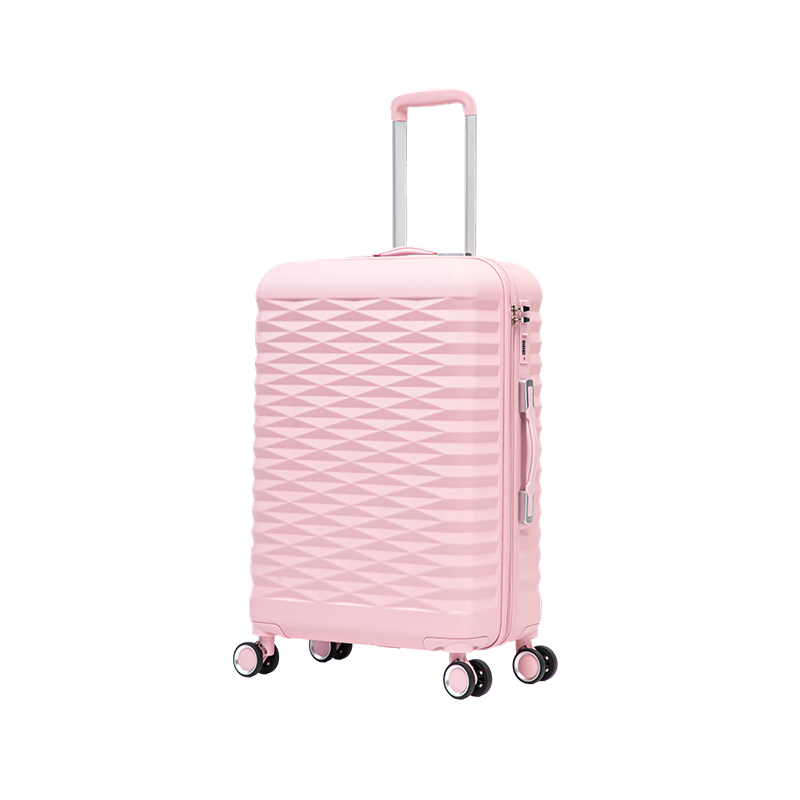
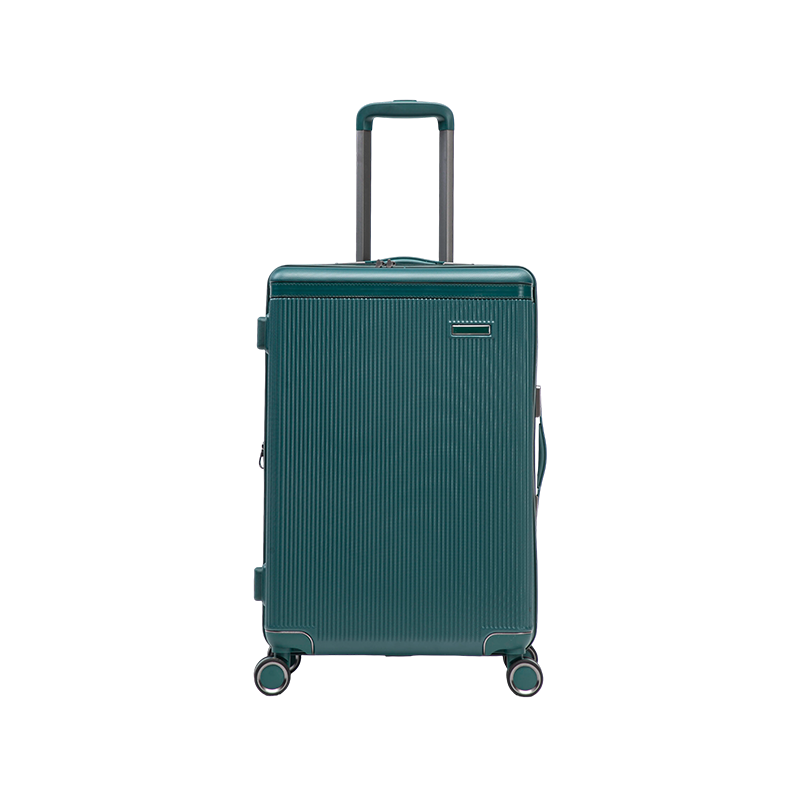
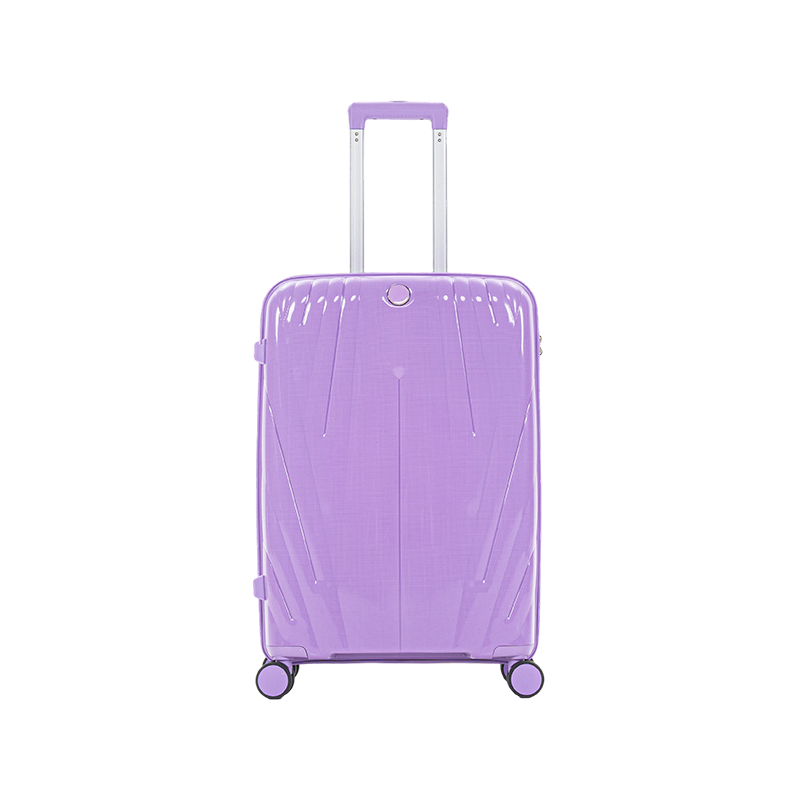
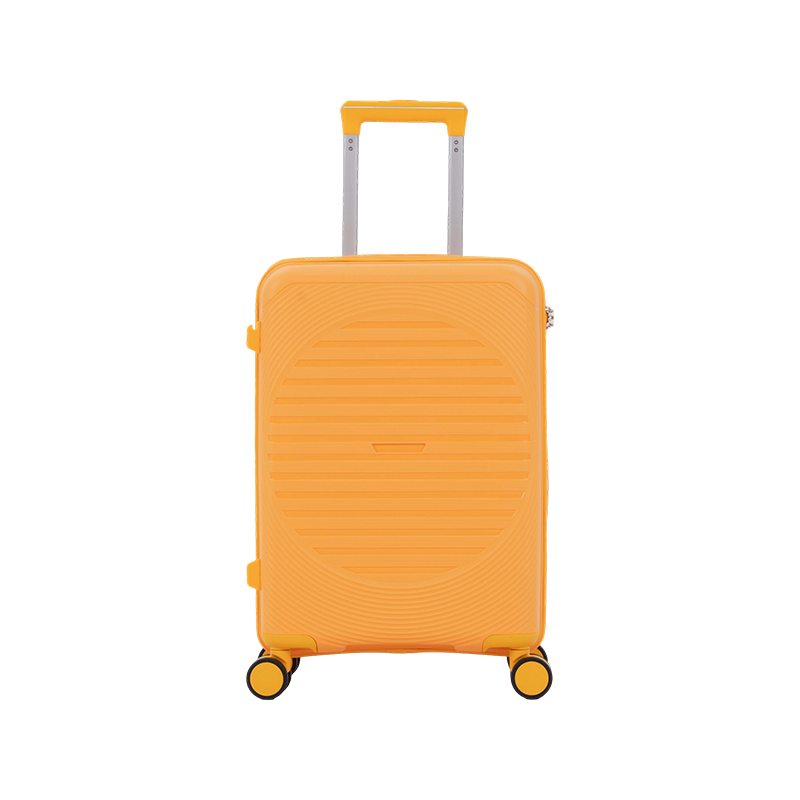
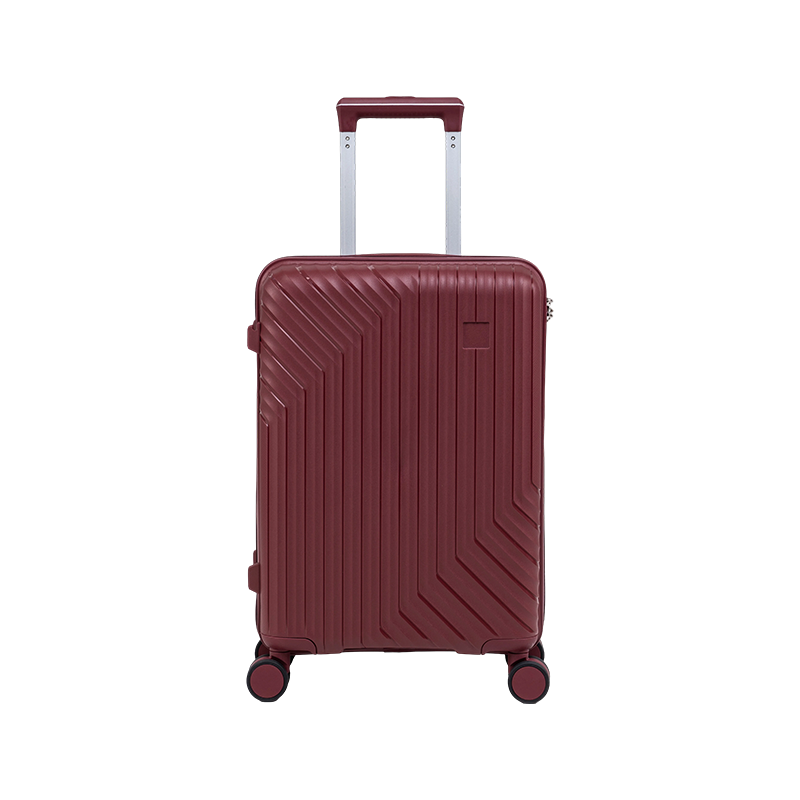
The same development process regularly includes hard shell luggage, where structural layouts differ from soft-sided collections and internal component placement requires additional coordination.
Production Samples Rarely Stay The Same
The prototype is almost never the final version.
A wheel housing may be adjusted by a few millimeters.
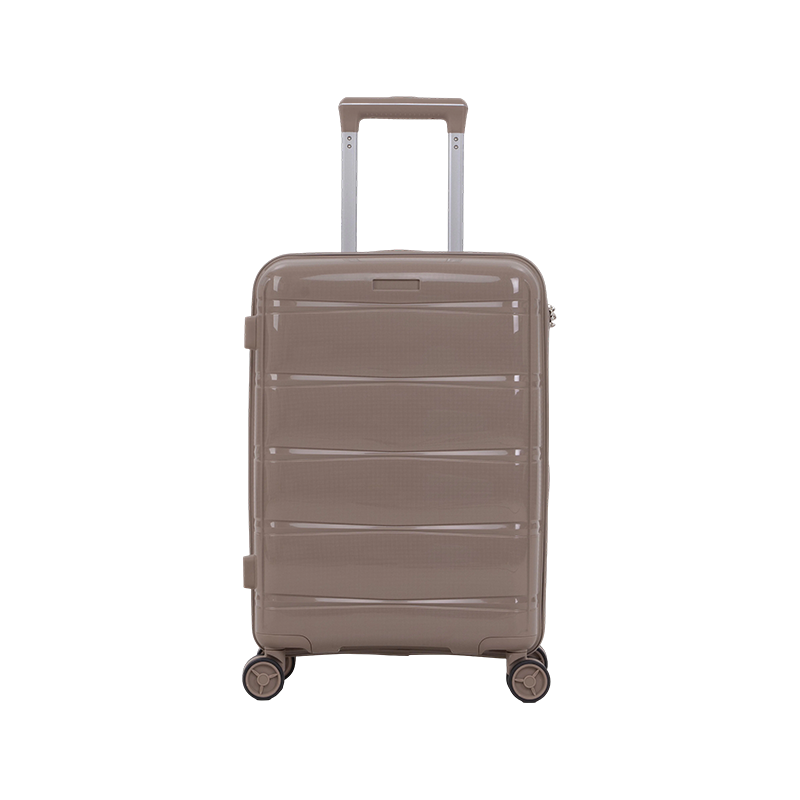
The handle position may shift slightly.
An interior divider could be redesigned after repeated opening and closing tests.
None of these revisions appear dramatic when viewed individually, yet together they shape how the finished suitcase performs in everyday travel.
During this stage, engineers sometimes relocate the TSA luggage lock to improve assembly efficiency or create better alignment with other hardware on the exterior shell.
Small Details Influence The Travel Experience
Airport terminals place luggage through a surprising variety of situations.
Suitcases are lifted, stacked, rolled across different floor surfaces, placed in overhead compartments, and stored in vehicle trunks before a journey even begins.
Many of these moments last only a few seconds, yet they influence how travelers judge the overall quality of a suitcase.
Product teams therefore review details that may seem insignificant during manufacturing but become noticeable after repeated use. The position of a handle, the balance of the shell, and the accessibility of a TSA luggage lock all contribute to how naturally the luggage fits into everyday travel routines.
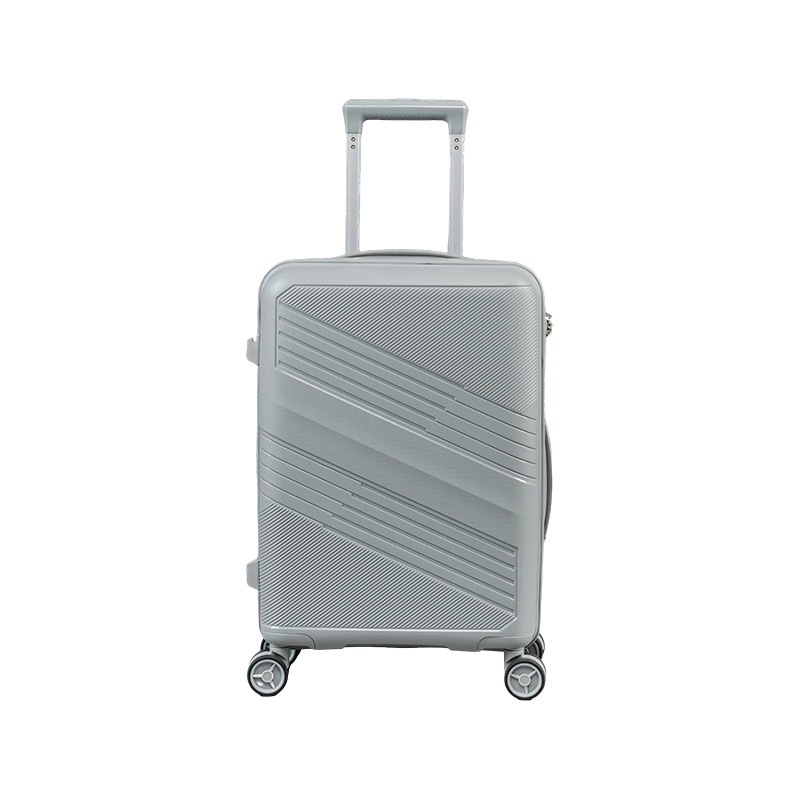
Similar discussions also involve hard shell luggage, particularly when manufacturers develop coordinated collections in multiple sizes.
Travel Products Continue To Reflect New Expectations
Luggage design has gradually moved beyond appearance alone.
Consumers compare storage layouts, mobility, organization, and convenience before making purchasing decisions. As a result, development teams spend more time refining existing designs instead of replacing them with completely different concepts every season.
Many of those refinements remain invisible after production.
Internal supports may become lighter.
Assembly steps may be simplified.
Hardware layouts may be reorganized to improve manufacturing consistency.
Those adjustments rarely change the overall look of the suitcase, yet they help create a more practical product over time.
Within that process, the TSA luggage lock becomes one element in a much larger design system rather than a standalone feature.
Every Journey Begins Before Packing
Long before a traveler places clothes inside a suitcase, countless design decisions have already shaped how that luggage will perform.
Some involve materials.
Others involve manufacturing methods.
Many relate to how different components fit together inside a limited amount of space.
Seen from that perspective, TSA luggage lock planning is closely connected with the overall development of modern luggage instead of existing as an isolated security feature. As suitcase manufacturers continue refining shell structures, internal layouts, and assembly methods, TSA luggage lock integration remains an important consideration in creating travel products that combine functionality, organization, and everyday convenience.
 Previous