

 English
 Français
 Español
 عربى
عربى
A plain ABS shell and an ABS shell with a polycarbonate film applied over it can start from the same base structure and end up performing quite differently on the surface. An ABS PC suitcase keeps the underlying ABS body largely intact and adds a thin PC layer on top, which means the finished case's scratch resistance and color depth depend heavily on how well that film bonds to the shell beneath it. That bonding step, more than either material on its own, is what separates a well-made ABS PC suitcase from one that only looks similar on a spec sheet.
Why a Film Layer Instead of a Full PC Shell
Building an entire case out of polycarbonate is one way to gain PC's scratch and impact properties, but it comes at a higher material cost than ABS. An ABS PC suitcase takes a different route, keeping the more affordable ABS structure for the bulk of the shell and applying a PC film only at the surface, where scratch resistance and appearance actually matter to a traveler. This layered approach captures much of PC's surface benefit without the full cost of an all-polycarbonate shell.
What the Film Layer Is Actually Protecting Against
The PC film on an ABS PC suitcase primarily addresses two things ABS alone handles less well: surface scratching from daily handling and UV-related fading from repeated sun exposure during travel. Underlying impact resistance still comes largely from the ABS structure itself, so the film's job is cosmetic durability — keeping the case looking new — rather than adding meaningful structural strength against drops or crushing.
Bonding Quality Determines How Long the Look Lasts
Because the film sits as a distinct layer rather than being blended into the base material, adhesion between the PC film and the ABS shell is the detail that determines whether an ABS PC suitcase ages well or starts showing peeling and bubbling at the edges after repeated handling. A well-bonded film moves with the shell during normal flexing and impact; a poorly bonded one can separate at stress points — corners, wheel housings, handle mounts — well before the underlying ABS structure shows any wear.
Color and Finish Options the Film Enables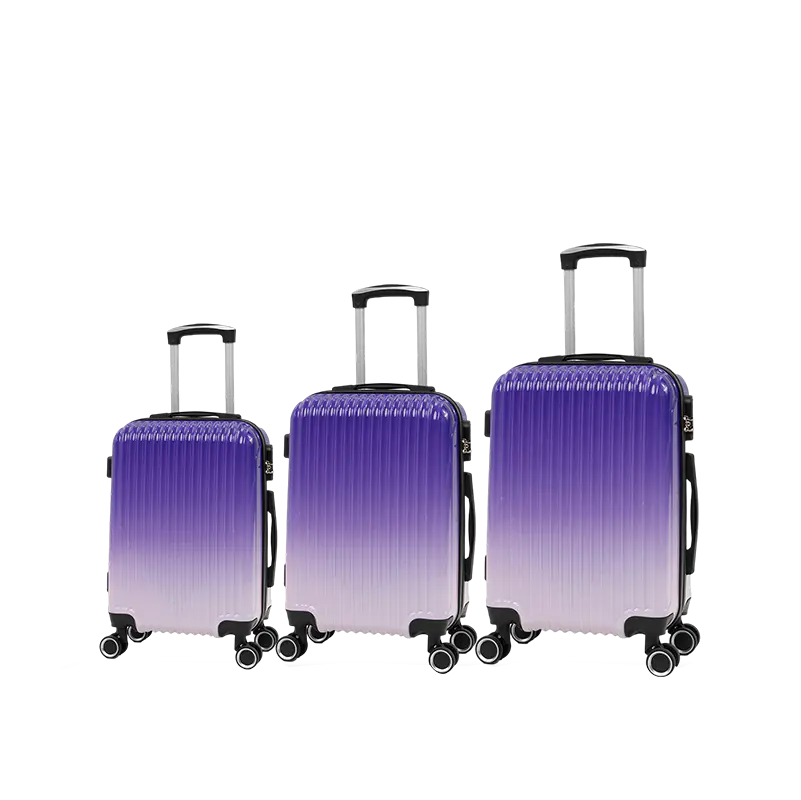
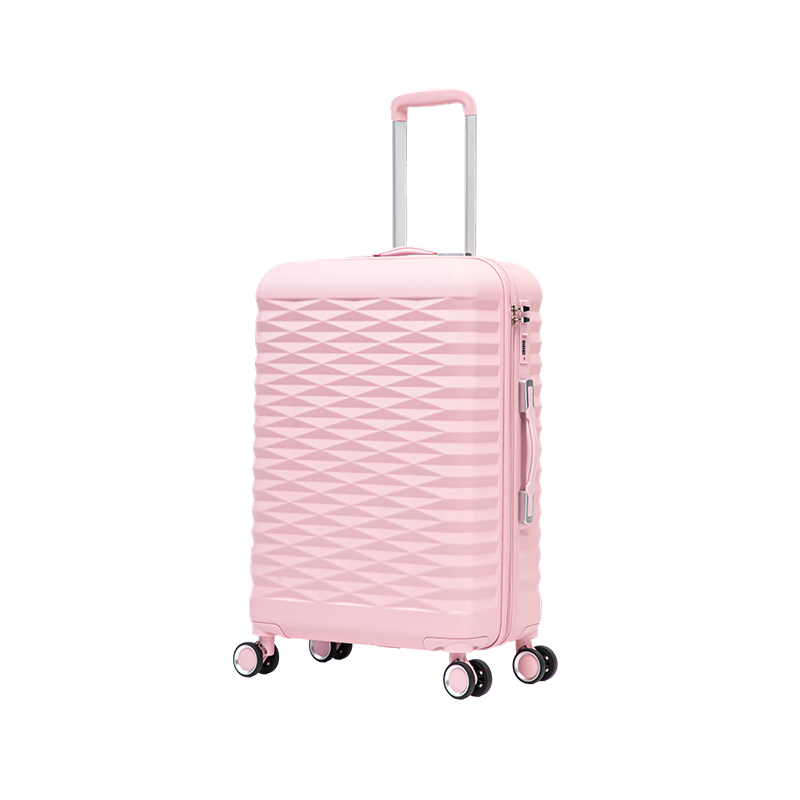
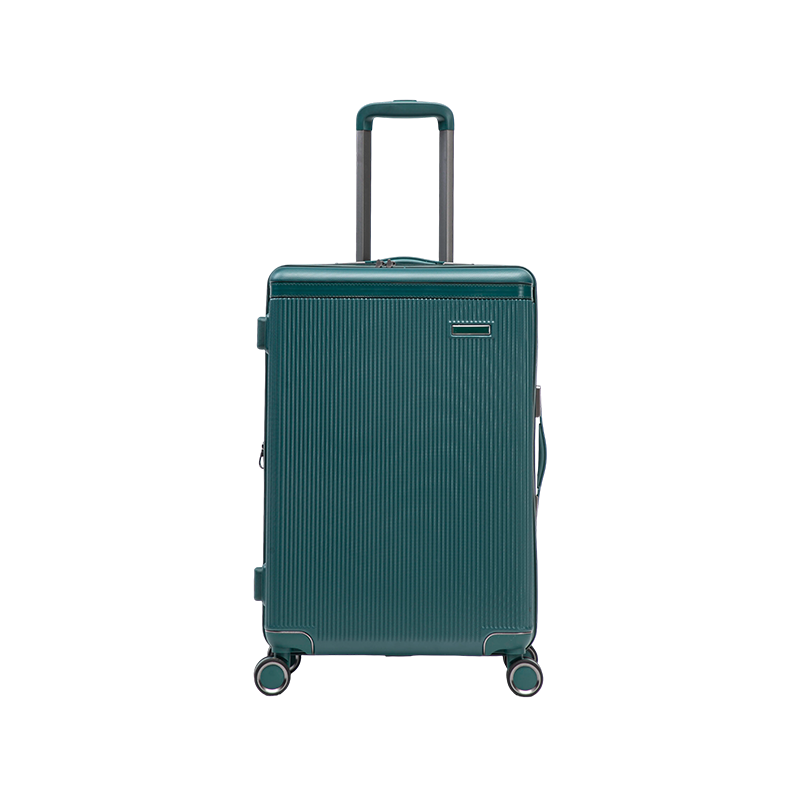
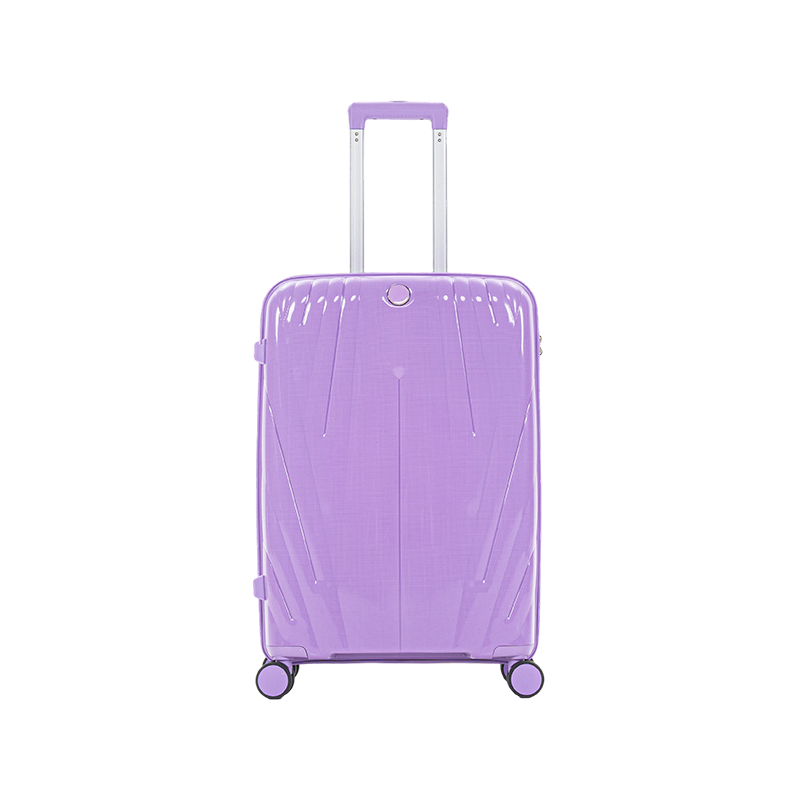
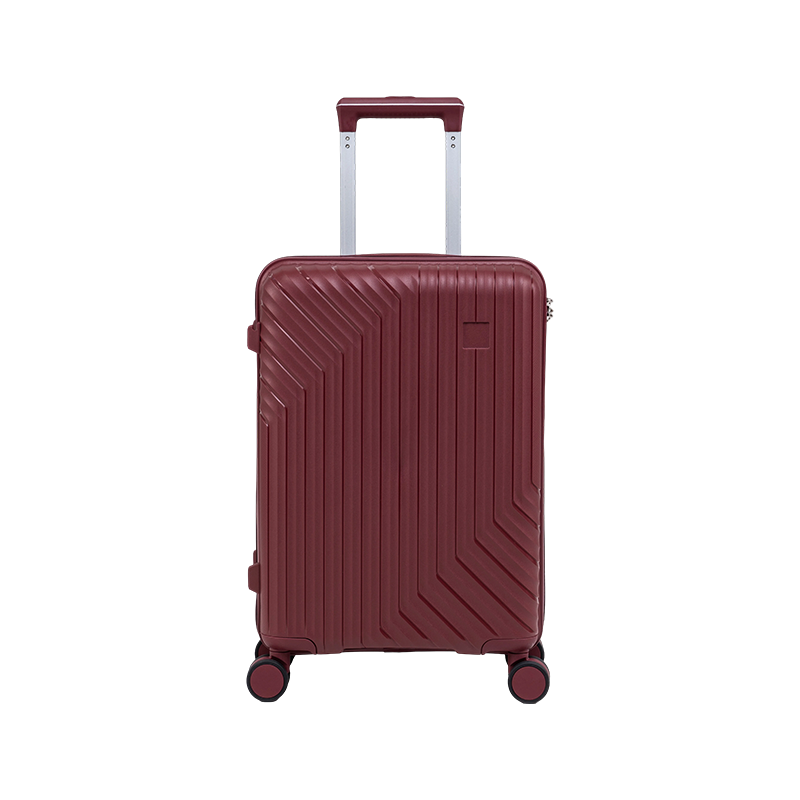
Because the PC film sits on the surface rather than being part of the molded shell color, an ABS PC suitcase can be produced in a wider range of finishes and color effects than a single-material ABS case typically offers, without requiring a different base mold for each color variation. This separates color and finish development from structural tooling, letting manufacturers introduce new surface options more easily than they could by reformulating the base plastic itself — a practical advantage for brands that update seasonal colorways more often than they change case dimensions.
Where the Two-Material Approach Shows Its Limits
An ABS PC suitcase is not immune to the general limitations of ABS underneath the film — under high-pressure impact, the core structure can still crack, and the film layer does not change that underlying behavior. What the film changes is the surface experience during normal use, not the case's fundamental impact ceiling, which is a distinction worth understanding when comparing an ABS PC suitcase against a full polycarbonate case marketed on impact resistance alone.
What Buyers Typically Compare
For distributors and brands sourcing this category, useful comparison points include film adhesion quality at stress points like corners and wheel housings, available color and finish range, how the case performs in accelerated scratch and UV testing relative to plain ABS, and price positioning relative to full-polycarbonate alternatives. Ruian Jinwangda Bags & Leather Goods Co., Ltd., based in Rui'an City, Wenzhou, Zhejiang, produces its ABS PC suitcase line across a range of finishes as part of a broader hard-shell luggage lineup that also includes plain ABS and polypropylene options.
 Previous