

 English
 Français
 Español
 عربى
عربى
Baggage handlers move suitcases through a rougher environment than travelers ever see, and that reality is exactly why cracking patterns in luggage PP material get so much attention from manufacturers and testing labs. A shell that looks fine in a showroom can behave very differently after a few dozen trips through conveyor belts, loading ramps, and cargo holds.
Where Stress Concentrates On A Hard Shell Case
Cracks rarely start in the middle of a flat panel. They begin at corners, wheel housings, and hinge points, where the polypropylene shell experiences repeated flexing rather than a single hard impact. Each time a case gets tossed onto a conveyor or dropped from a cart, the material at these stress points bends slightly, and over hundreds of cycles, that repeated flexing fatigues the polymer chains near the surface.
Temperature plays a role that many travelers underestimate. Cargo holds swing between cold cruising altitudes and hot tarmac conditions within a single trip, and luggage PP material responds to that swing by becoming more brittle in cold conditions and slightly softer in heat. A case loaded in freezing cargo and then dropped onto a warm baggage cart experiences a kind of thermal shock at the exact moment it takes an impact, which is when hairline cracks tend to appear along molded ridges.
Which Design Details Reduce Early Failure
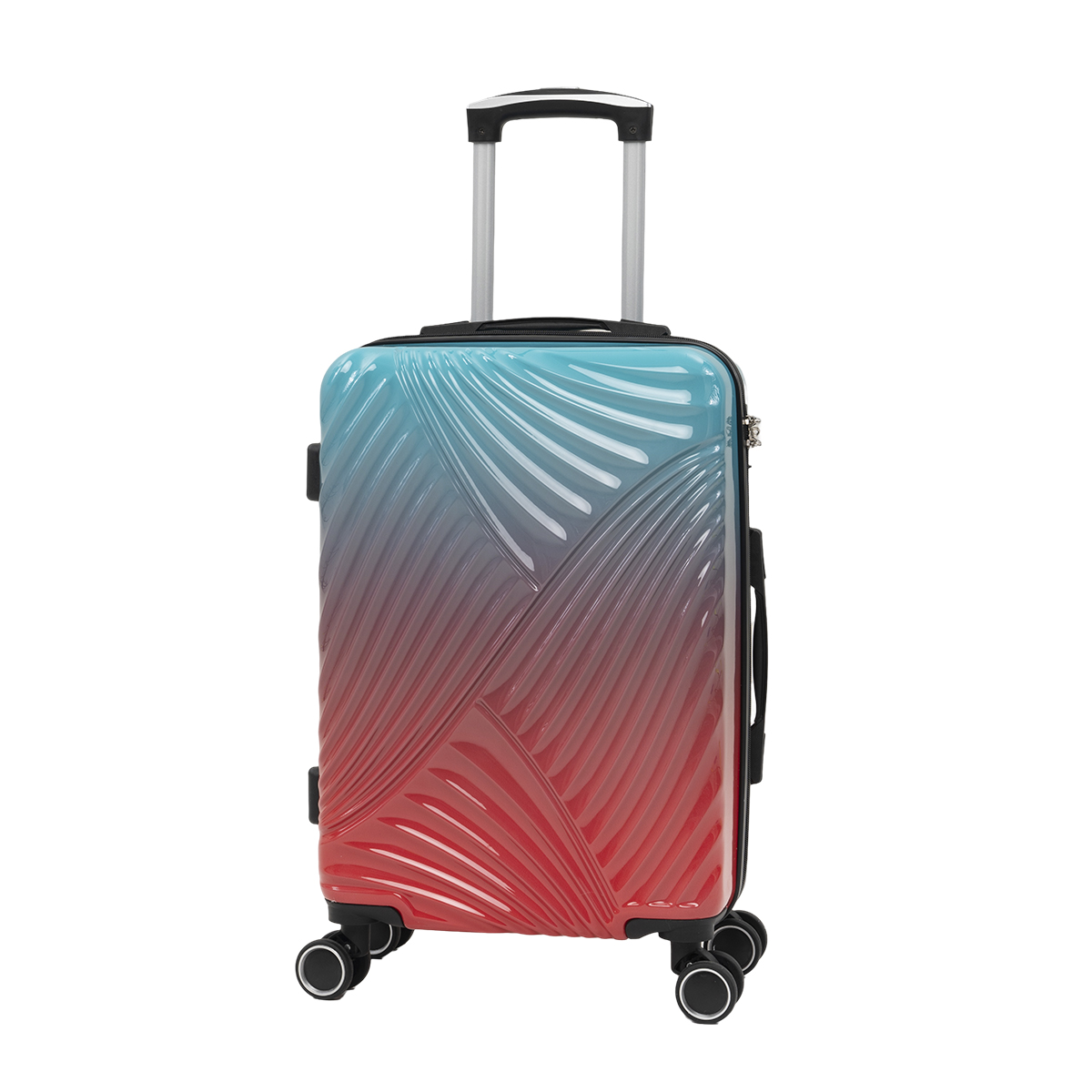
Rib patterns molded into the interior surface of a case do more than add rigidity for marketing photos. Who benefits from these structural ribs during actual handling? Engineers design shell geometry, since a well-placed rib redistributes flex load away from a single weak point and spreads it across a wider surface area. Cases without this internal ribbing tend to show cracking sooner, particularly along the seam where the front and back shells join.
Wheel mounting points are another area where luggage PP material takes concentrated stress. Where do these mounts typically fail first? At the screw bosses, small raised sections are molded into the shell to hold fasteners, since repeated pulling and turning motion applies torque directly to that localized area. Reinforced screw bosses, sometimes backed with a metal plate, extend the life of this connection point considerably compared to a bare plastic boss relying on the polymer alone.
Manufacturing Variables That Affect Crack Resistance
Not every batch of PP luggage shells performs the same way, even when the raw material specification looks identical on paper. Injection molding temperature and cooling rate change how the polymer's internal structure forms, and a shell cooled too quickly can retain internal stress that shows up later as unexpected cracking under normal use. Quality teams monitoring luggage PP material production watch mold temperature closely for this reason, since a few degrees of variation during cooling can shift crack resistance measurably during later impact testing.
Wall thickness consistency matters just as much. A shell molded slightly thin in one section, often near a corner where material flow slows down during injection, creates a weak spot that fails well before the rest of the case shows any wear. Which testing method catches this kind of inconsistency before shipment? Drop testing at multiple points across a sample case, rather than a single central impact test, since corner and edge weaknesses only show up when the test rig specifically targets those geometry-driven weak zones.
Age And Cumulative Cycle Effects
Luggage does not fail purely from one bad drop in cases. Cumulative cycling, the repeated small flexes from years of travel, gradually reduces the flexibility that made the shell impact-resistant when new. Luggage PP material that has absorbed thousands of small stress cycles becomes progressively more prone to cracking under an impact it would have shrugged off during its year of service. Frequent flyers who travel weekly put a case through this cumulative stress far faster than someone who travels only a few times a year, which explains why identical cases from the same production batch can show dramatically different crack timelines depending purely on usage frequency rather than manufacturing defects.
Who tends to notice this aging effect first? Baggage handlers working repeat routes, since they see the same traveler's case cycle through the same airport multiple times a year and can track visible wear progression across those repeated encounters in a way that a single traveler rarely observes about their own luggage.
 Previous